
Is This the 2028 Honda Accord? Honda’s Future Hybrid Sedan Revealed


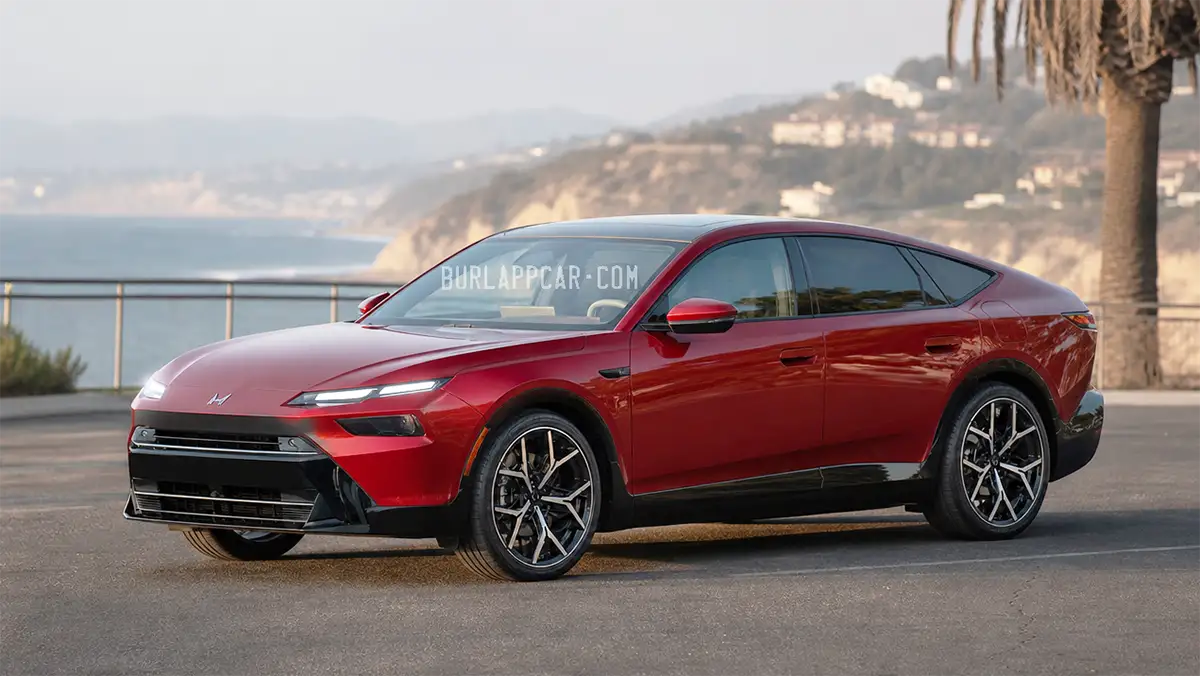
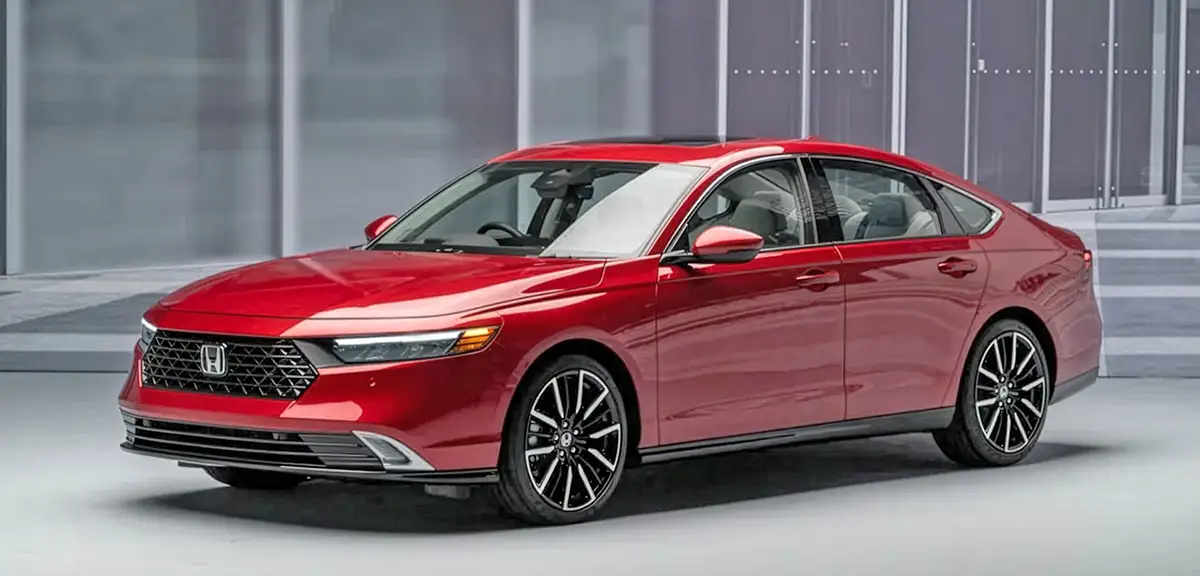
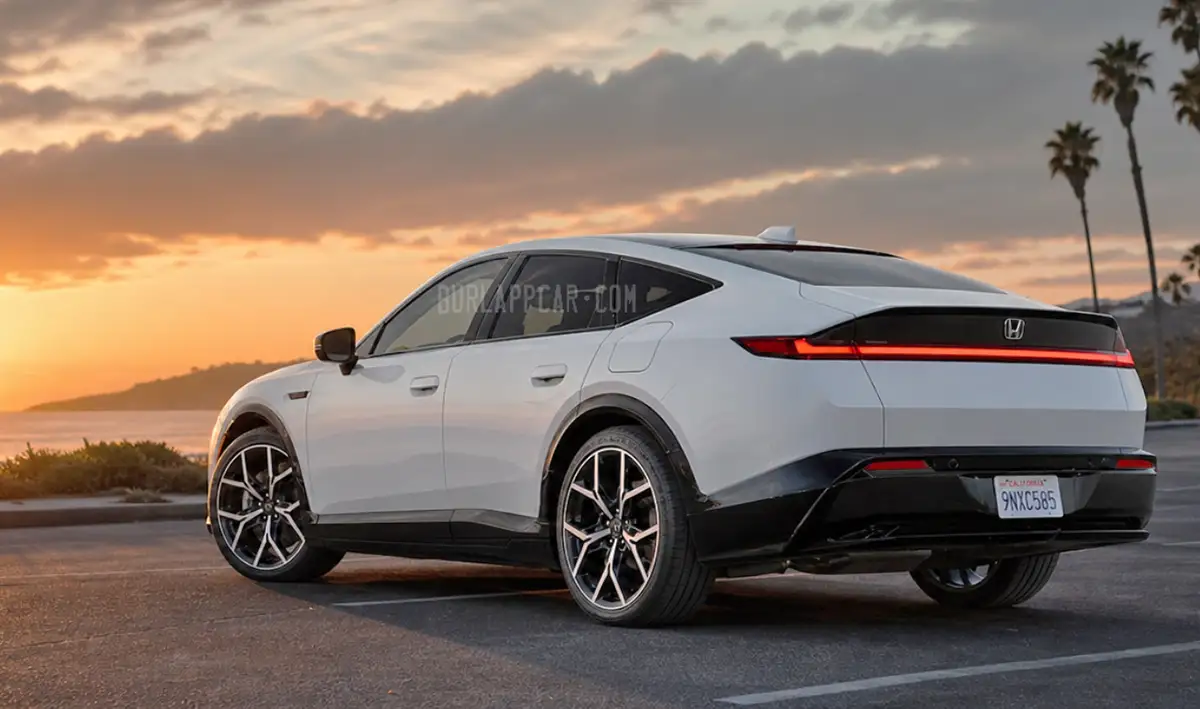
These new images of the Honda hybrid sedan prototype strongly suggest that it is indeed the next-generation 2028 Honda Accord. The proportions, wheelbase, and overall silhouette all seem much closer to a midsize sedan than anything related to the Civic.
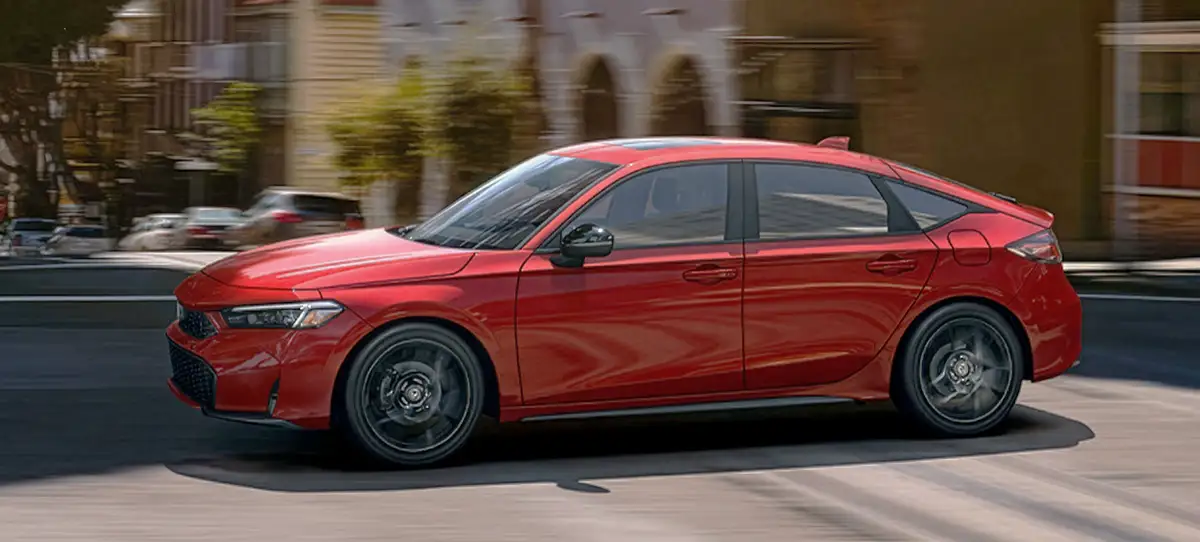
As we already know, the “prototype” is not a true hatchback, even though it clearly uses a straight fastback-style design. That has already been the trend with both the previous and current Accord generations. Meanwhile, the Civic is offered in both sedan and hatchback versions. A true hatchback version of this prototype probably wouldn’t look much different anyway. That just means it cannot be a Civic.
It also simply looks more like a larger midsize sedan. Honda has specifically mentioned 2028, while the next-generation Civic could arrive earlier. All of this points to the car above being the 12th-generation Honda Accord. Honda may also want the Accord to move slightly more upscale as more mainstream buyers continue switching from SUVs back to comfortable and efficient sedans.
This new generation is expected to become a hybrid-only model based on an all-new platform. That same architecture will reportedly also be used for the next-generation Civic. Honda claims the new hybrid technology will be even more efficient. The last Accord Hybrid I drove averaged around 46 MPG. Honda says fuel economy could improve by about 10% with the next generation, which would translate to over 50 MPG in real-world driving. That would still make the Accord one of the most efficient midsize sedans sold in North America.
However, that doesn’t actually sound like a huge improvement, especially for an all-new platform with a next-generation hybrid system. I’m not sure a 10% increase in fuel economy will suddenly bring large numbers of buyers into the Honda hybrid family. Especially when gas prices are already over 40% higher than they were just a few weeks ago. Buyers now expect dramatic gains from completely redesigned models, especially when companies spend years developing new technology and platforms. A 10% improvement might not be enough…
Honda’s bigger problem may be that it now seems to be betting almost everything on these new “regular” hybrid platforms after canceling or all of its future EV projects in North America. In two or three years, a modest 10% gain in MPG may not make much difference to many buyers. Competitors are rapidly improving battery technology, charging infrastructure, EREV and plug-in hybrid systems. By the time this new Accord arrives, the market could look quite different from today.
Still, seeing the new Honda sedan in different colors does make me like it more. I’m already starting to get used to the new brutalist-inspired design language. The cleaner front-end design and simplified body panels almost give the car a futuristic European look. But again, this car is still almost two years away, and the competition certainly isn’t standing still.
I also wonder what Toyota has planned for the next-generation Toyota Camry. If Toyota introduces a more advanced hybrid system or a new plug-in version of the Camry, Honda could have a much tougher battle ahead than expected.