
How Airbag Non-Deployment Is Used To Challenge Injury Severity Claims In Rock Hill Cases.


(sponsored post)
Getting into a car crash near the Busy Bee or driving down Cherry Road can be frightening. When airbags do not deploy, the lack of deployment can create confusion about the crash’s severity. Insurance companies may review these circumstances when evaluating whether to reduce medical-bill payments.
Airbags respond to specific crash conditions, so their non-deployment can affect how insurers assess an injury claim. Adjusters may argue that the impact lacked enough force to cause significant harm because the airbags remained inactive.
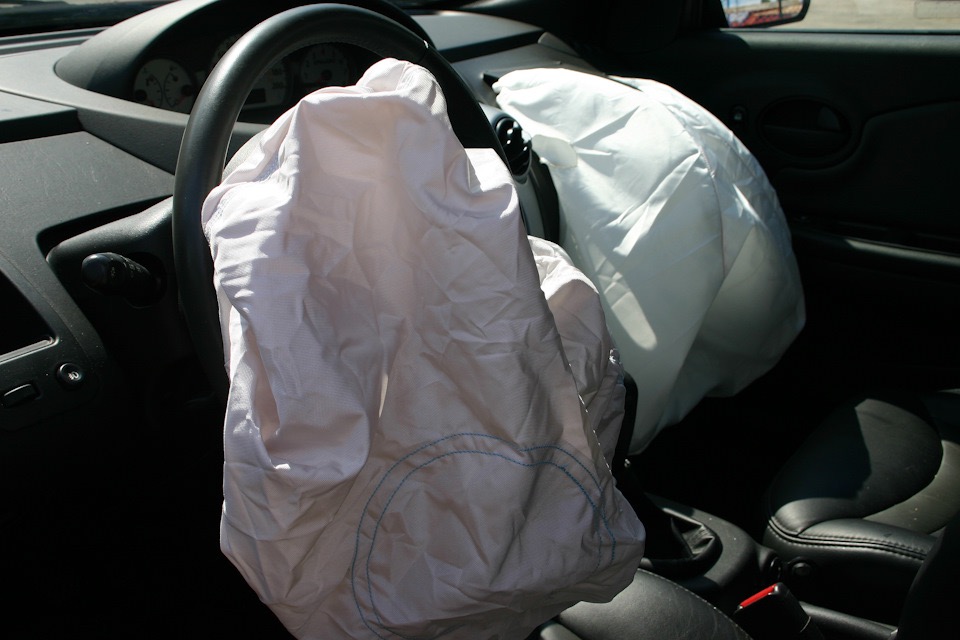
How Can Technical Data Prove Your Injury Is Real?
To challenge these claims, examine the vehicle’s event data recorder (EDR), often called the black box. Many modern vehicles contain an EDR that can record specific crash-related information for a brief period before, during, and after an impact. In Rock Hill, this data can help establish the collision’s mechanics and provide objective evidence about the crash.Evidence concerning airbag deployment and other restraint-system performance can help investigators evaluate a crash and its safety-system performance. Taking fast action helps prevent the spoliation of evidence, ensuring electronic data remains available.
Why Does Airbag Non-Deployment Affect Injury Severity Claims?
Airbags operate through a complex safety system that uses sensors and electronic controls. In South Carolina, insurers may treat non-deployment as an indicator of the severity of impact. The fact that an airbag did not deploy does not, by itself, establish the severity of the collision, because deployment depends on crash characteristics, impact direction, system design, and sensor locations. This argument can affect claims involving soft-tissue injuries, neck pain, or other less visible conditions.
Explaining how insurance adjusters use early interactions to minimize injury claims when visual indicators like deployed airbags are absent, Brent Stewart, a seasoned Rock Hill car accident lawyer, recognized in Best Lawyers: Ones to Watch® in America and founder of Stewart Law Offices, winner of the “Best of York County” Awards and listed on LawInfo and Attorney at Law Magazine, cautions: “The insurance company calls you often within hours of the accident. They sound friendly and concerned. They say they just need your side of the story. Then they ask if they can record the conversation. That recorded statement is not for your benefit; it’s for theirs.”
That reasoning does not establish injury severity by itself. Airbags are designed to protect against head and chest injuries, and their deployment depends on crash characteristics and the vehicle’s restraint system design. A vehicle can sustain substantial structural damage or spin after an impact without triggering a particular front-impact airbag sensor.
How Can EDR Data Show What Happened During the Crash?
An event data recorder can provide recorded technical vehicle and occupant information from the period surrounding a collision. NHTSA explains that EDRs may record vehicle dynamics, driver inputs, crash signatures, restraint use, and airbag deployment status for a brief period before, during, and after a crash.
Depending on the vehicle and EDR configuration, recorded data may include vehicle speed, longitudinal and lateral delta-V, braking information, seat-belt status, and airbag deployment information. This data can place airbag non-deployment within the crash mechanics, rather than treating it as proof that the collision caused only minor injuries.
Why Do Airbags Sometimes Fail To Deploy In Serious Crashes?
Airbag deployment depends heavily on impact direction, vehicle speed, and sensor placement. Angled or side hits frequently fail to trigger frontal sensors, even during violent crashes. Furthermore, safety systems hold back deployment during moderate collisions where seatbelts provide primary protection, yet occupants still suffer severe whiplash.
Vehicle electronics also suppress airbags for small-stature passengers, children, or empty seats. In used cars, negligent previous owners sometimes fail to replace deployed airbags after prior accidents. Consequently, an inactive airbag reflects system programming or vehicle history, not the actual force exerted on your body.
Handling medical bills and insurance claims following a car accident can quickly become complicated. Stewart Law Offices offers free case reviews to help residents of Rock Hill, Beaufort, Columbia, and nearby areas evaluate their legal options. You can call their team at (803) 328-5600 or visit 1242 Ebenezer Rd, Rock Hill, SC 29732. If your injuries make travel difficult, an attorney can arrange to meet with you at home or in the hospital.
How Is South Carolina Law Applied To These Disputes?
South Carolina follows modified comparative negligence, under which a plaintiff generally may recover when the plaintiff’s negligence is not greater than the defendant’s, with the plaintiff’s recovery reduced in proportion to the plaintiff’s negligence. Current Section 15-38-15 also addresses fault attributable to nonparty persons or entities. If a defense team uses airbag non-deployment to portray your injuries as minor, that argument can reduce the amount you may recover.
Legal teams can use professional testimony to explain why the non-deployment of an airbag does not establish the absence of injury. They can use medical records, biomechanical analysis, and crash data to show how the body moved during the impact. By connecting medical evidence with crash mechanics, they can explain why the absence of airbag deployment does not necessarily reflect injury severity.
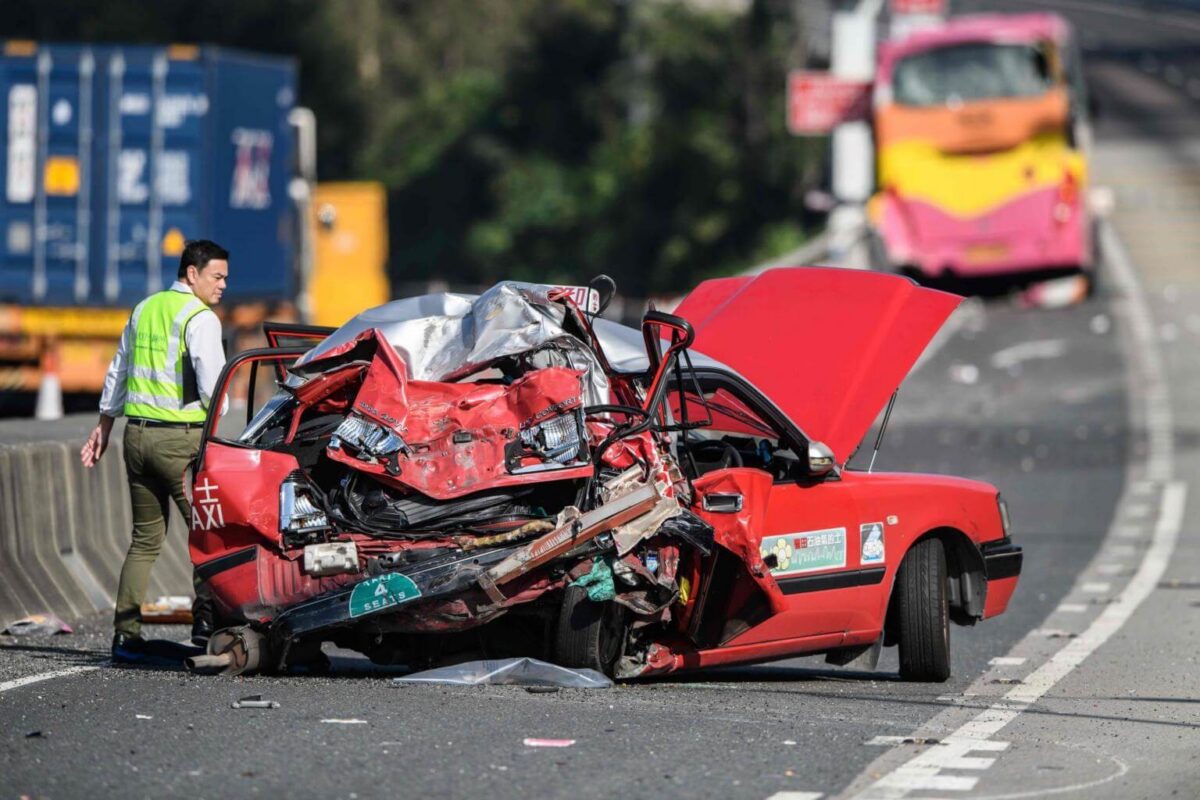
How Can Comparative Fault Affect an Airbag-Related Injury Claim?
South Carolina law requires the fact finder to determine each party’s percentage of fault. Under Section 15-38-15, a defendant found less than 50% at fault for indivisible damages generally is liable only for that defendant’s assigned percentage of those damages, subject to statutory exceptions.
This makes causation evidence important when an insurer or defense argues that another factor caused an injury. Airbag non-deployment alone does not establish fault or determine the amount of damages a claimant may recover.