
2nd Generation Camaro & Firebird Come to Life.


After the massive success of the first generation Chevrolet Camaro and Pontiac Firebird, GM was ready for a second act starting in 1970. That second-generation F-Body went through constant changes and redesigns all the way to 1981, evolving almost every few years while still keeping the same basic platform alive. It became one of the most recognizable American sporty car platforms of the 1970s. Surviving changing emissions regulations, fuel crises, and shifting design trends while still managing to look pretty exciting.
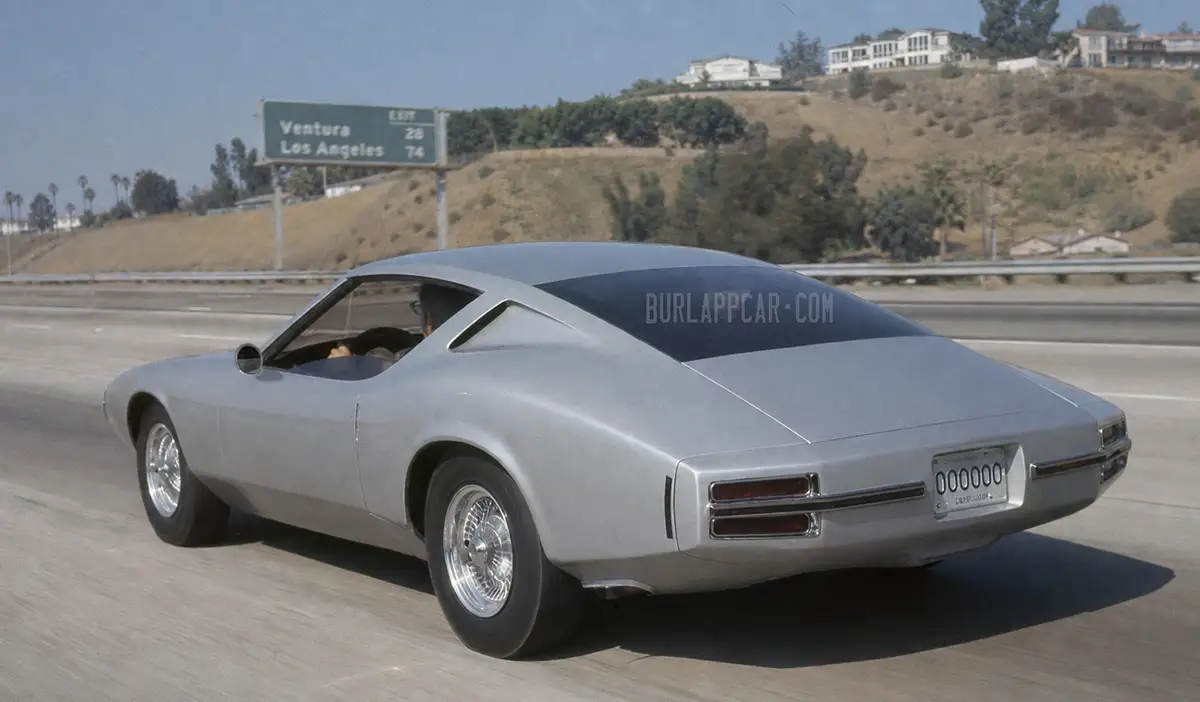
This first image dates from 1970 or 1971 and shows a possible future Pontiac Firebird model. Of course, the design was extremely futuristic for the time and obviously never made it anywhere near the 101 Freeway. It almost looks more like a European GT concept than a production Pontiac. The flowing surfaces and hidden details seem years ahead of what Detroit was building at the time, especially for an affordable sporty coupe.
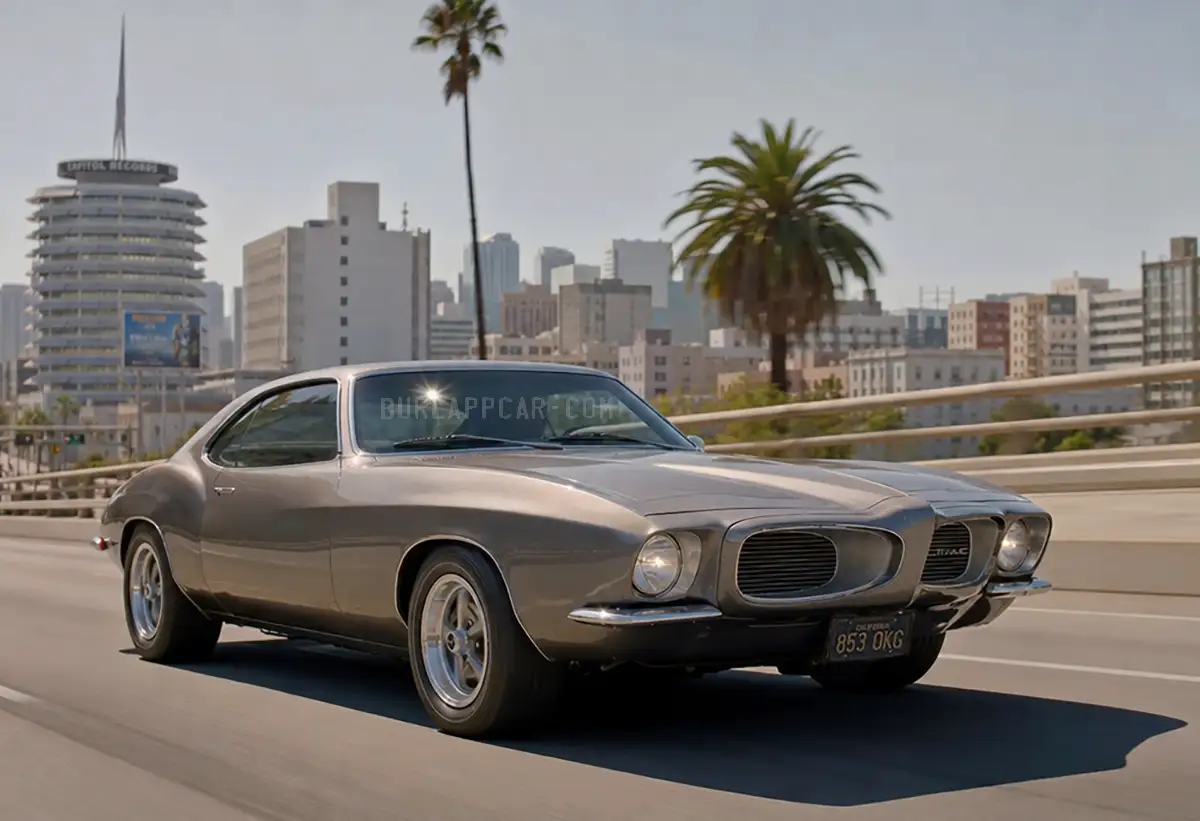
This was another design proposal from 1971, probably intended as a future mid-cycle refresh for the second-generation Firebird. In that color , and with that license plate, it really does look like something Jim Rockford could have been driving around Hollywood just a few years later. The cleaner front end and more refined details actually aged pretty well. It also shows how Pontiac designers were trying to push the Firebird slightly upmarket with a more sophisticated appearance.
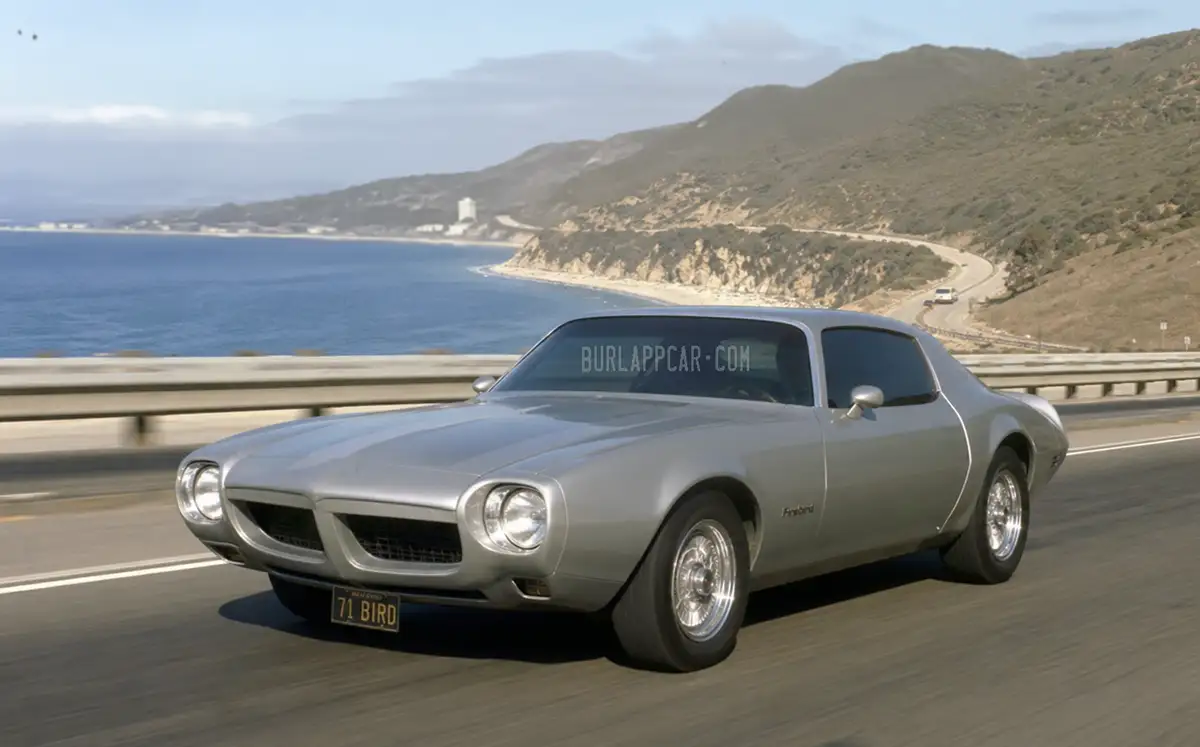
This one is even more obviously a redesigned front end proposal for the early second-generation Firebird. The production car itself went through many nose treatments and grille revisions until 1981, but this dramatic setup was never one of them. Still, you can easily see how Pontiac designers were constantly experimenting with sharper and more aerodynamic themes during the decade. Some of these ideas eventually influenced later Trans Am models with their increasingly aggressive front-end styling.
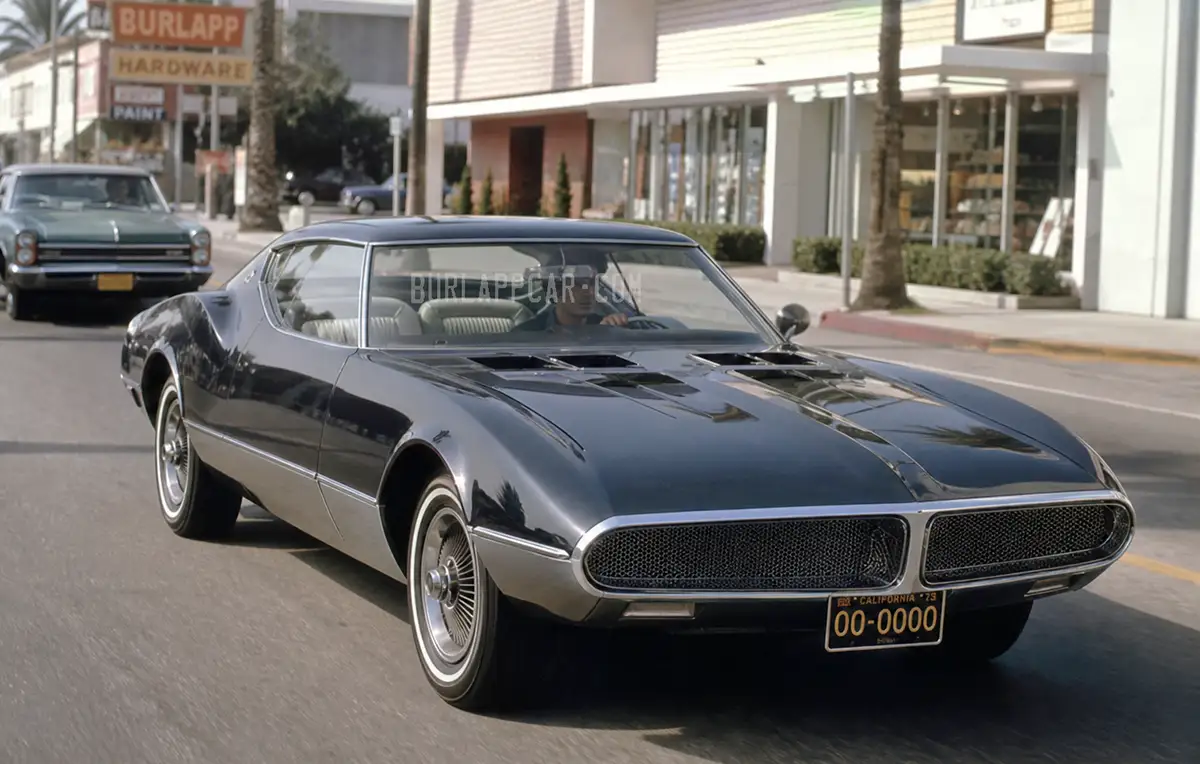
This one is a version of the Pontiac Banshee concept car. The image comes from a clay model created when GM was seriously considering a production version of the Banshee as a direct Mustang fighter. As we know, that never happened, and we got the good old Firebird instead. In my opinion, this Banshee-inspired design would actually have made a fantastic Buick-branded F-Body model. Buick never really had a true sporty pony car, and this could have given the division a much younger image.
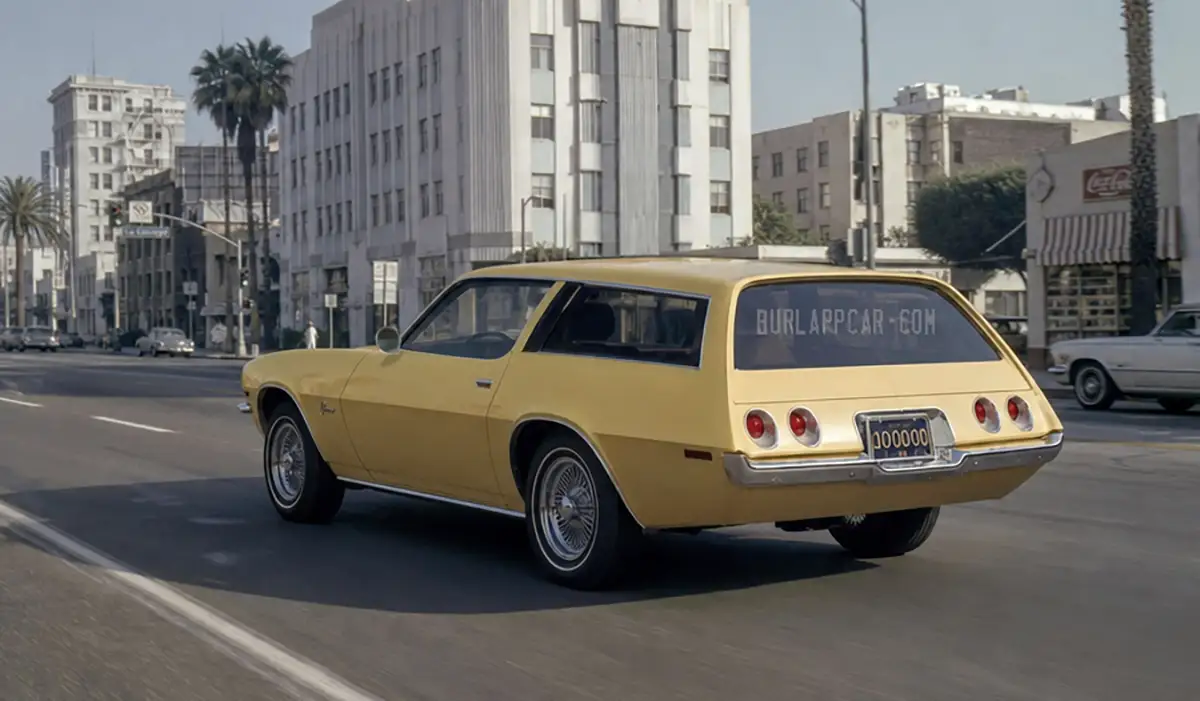
Of course, GM also thought about a wagon version of the Camaro again, just like Ford once did with the Mustang and just like GM itself had explored earlier with the Camaro. This Chevrolet Camaro Kammback looks surprisingly good and could have been a very interesting addition to the Camaro lineup. It almost feels like an early attempt at blending muscle car styling with the practicality trends that would become popular decades later. A sporty hatchback Camaro might actually have sold quite well during the late 1970s.
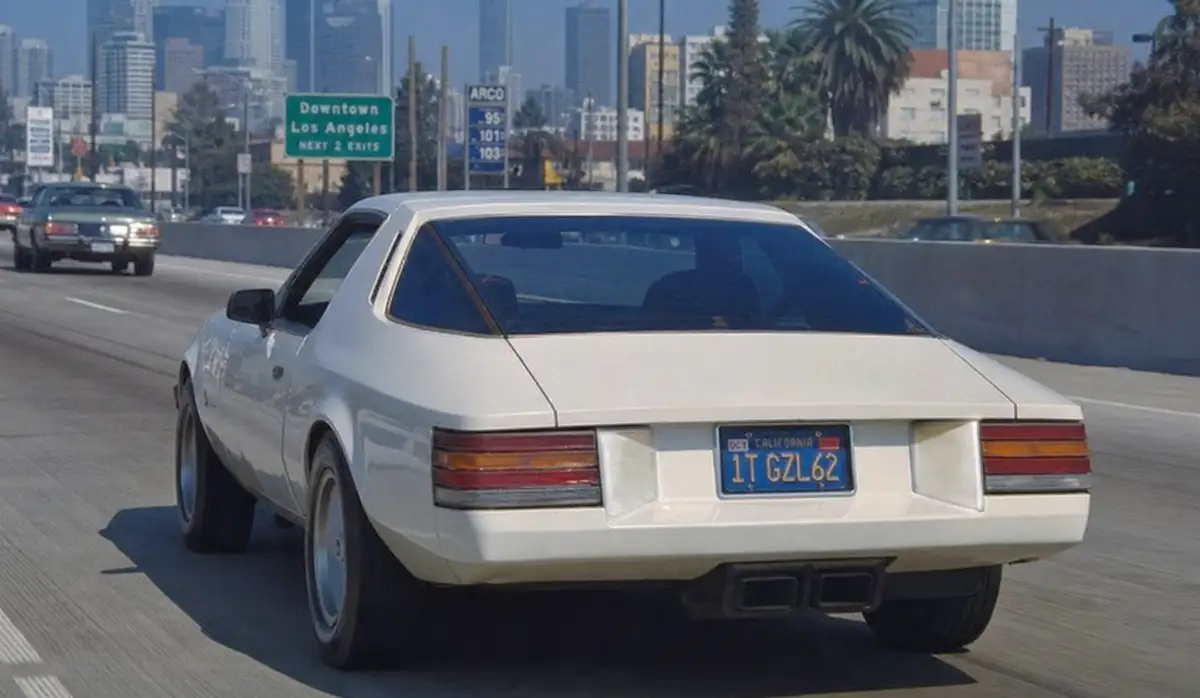
This image is from a 1982 prototype. It would have ben the 3rd-generation Chevrolet Camaro. While pretty nice, it seems the actual production car ended up looking much more modern than this.
The almost all0glass hatchback of the production 3rd-generation Camaro was pretty dramatic when comapred to this. Howeve, the design above does show a nice European influence.
While Pontiac is long gone, the Chevrolet Camaro is apparently only on hiatus. Rumors continue to suggest GM is working on a return for the Camaro as a new rear-wheel-drive sedan based on an updated Alpha platform architecture. The new Camaro would be a sister car to a future second-generation Cadillac CT5 and a new premium Buick RWD sedan for North America.
It will be quite interesting…