The Forgotten 1980s Lincoln Versailles That Almost Happened.


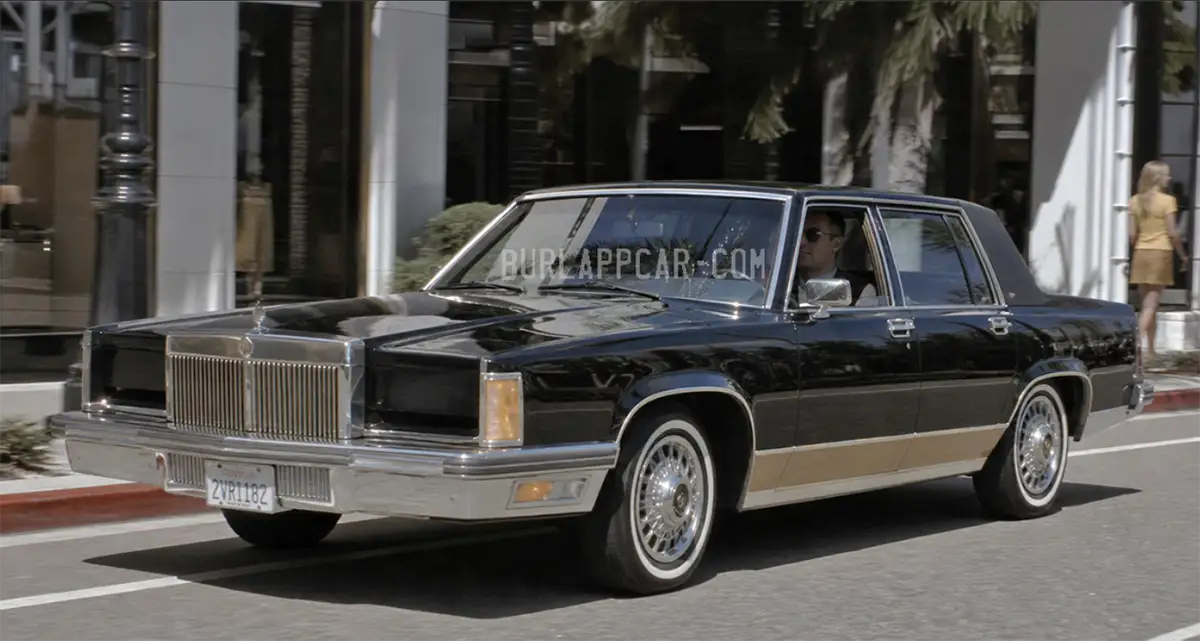
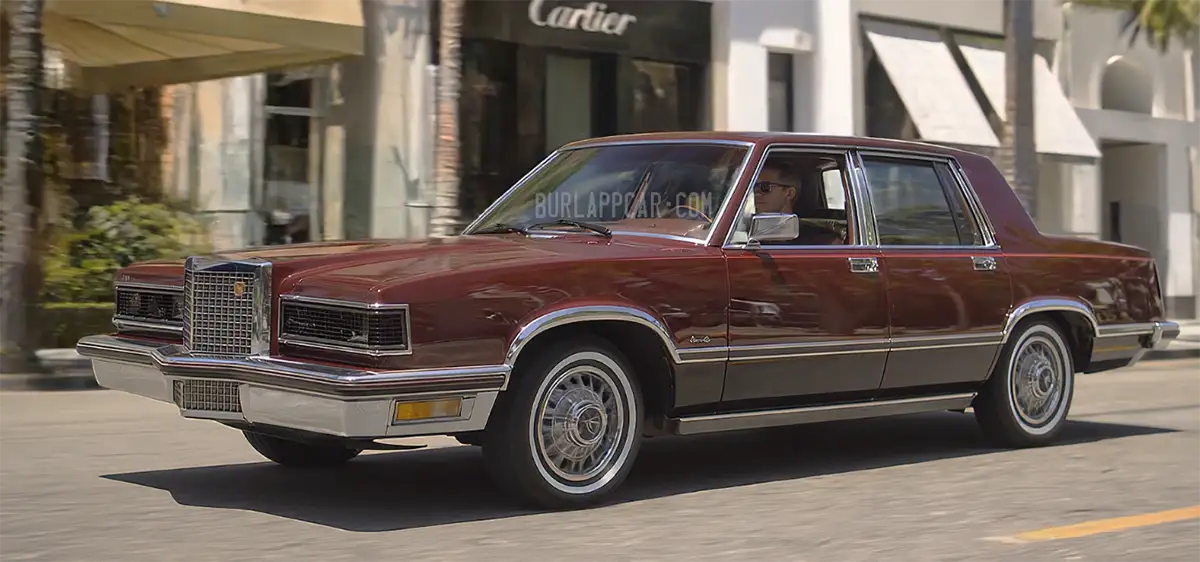
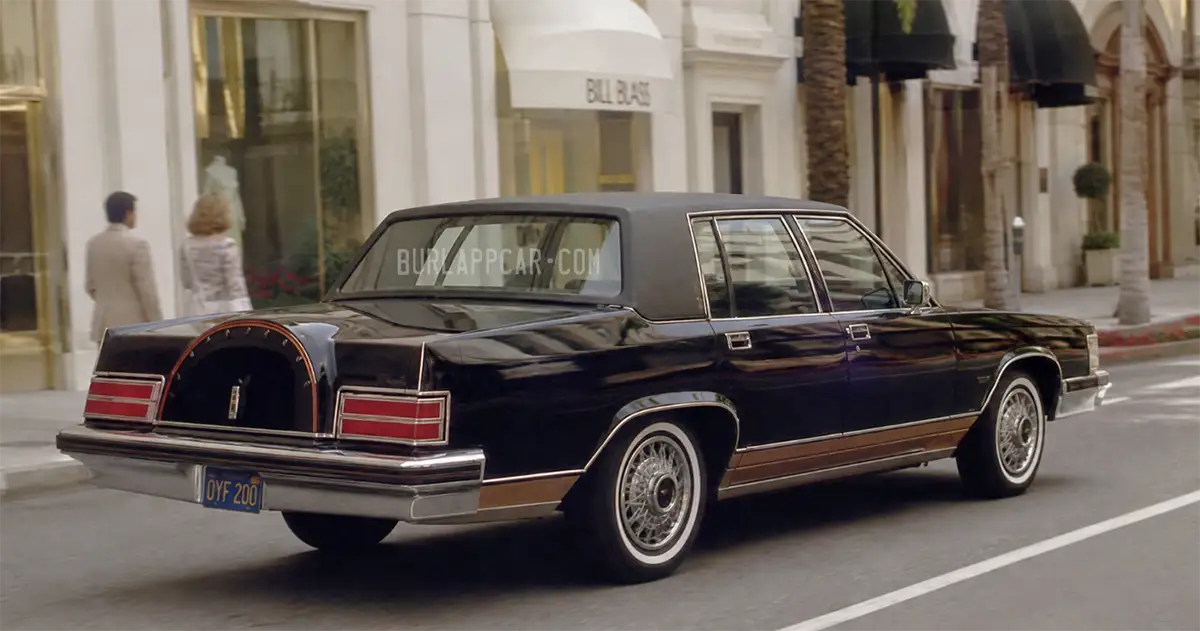
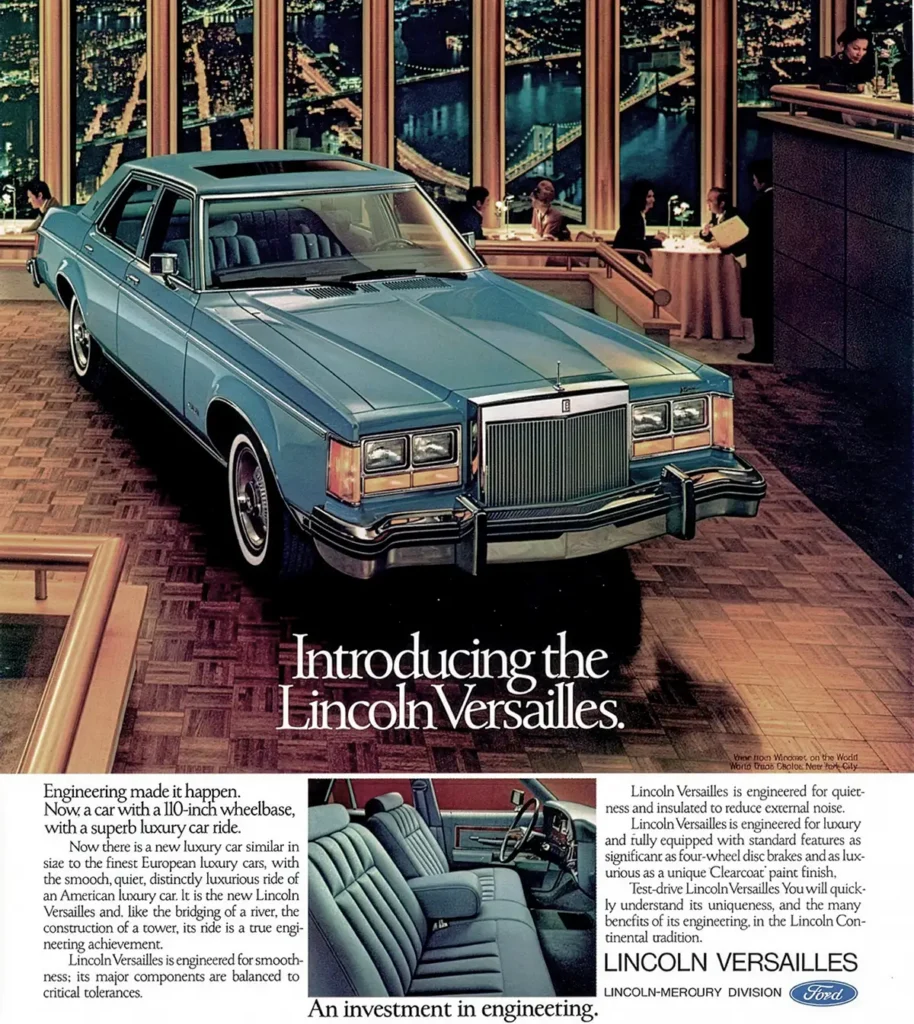
The original Lincoln Versailles from the late 1970s was Ford’s attempt to take on the hugely successful Cadillac Seville. Introduced for 1977, the Versailles never received the same warm reception as Cadillac’s smaller luxury sedan. Still, it appears Lincoln had plans for a proper second generation. One that would finally move the car away from its “dressed-up Ford Granada” reputation and into something that looked and felt more like a real Lincoln luxury car. During the late 1970s, luxury buyers were rapidly changing their tastes, moving away from giant land yachts and toward more manageable premium sedans that still offered comfort and prestige.
However, the prototype images above reveal that Ford may not have gone quite far enough. The proposed second-generation Versailles still looked heavily related to the second-generation Ford Granada, a car that itself only lasted for the 1981 and 1982 model years. While Cadillac invested heavily to make the Seville feel distinct from lesser GM products, even when sharing underlying engineering, Ford continued relying on badge engineering and cosmetic revisions to save money. That approach may have looked good on paper financially, but luxury car buyers were becoming far more sophisticated and demanding by the end of the decade.
The first Versailles was essentially a heavily revised Granada with a Rolls-Royce-inspired grille, extra chrome, and a more luxurious interior. Buyers noticed immediately. Despite Lincoln’s prestige, the strategy failed to convince traditional luxury customers who expected something more exclusive and elegant. Sales reached only about 15,000 units during the first year before dropping below 9,000 in 1978. Critics at the time apparently also mentioned that the car lacked the refinement and road presence buyers expected from a Lincoln product.
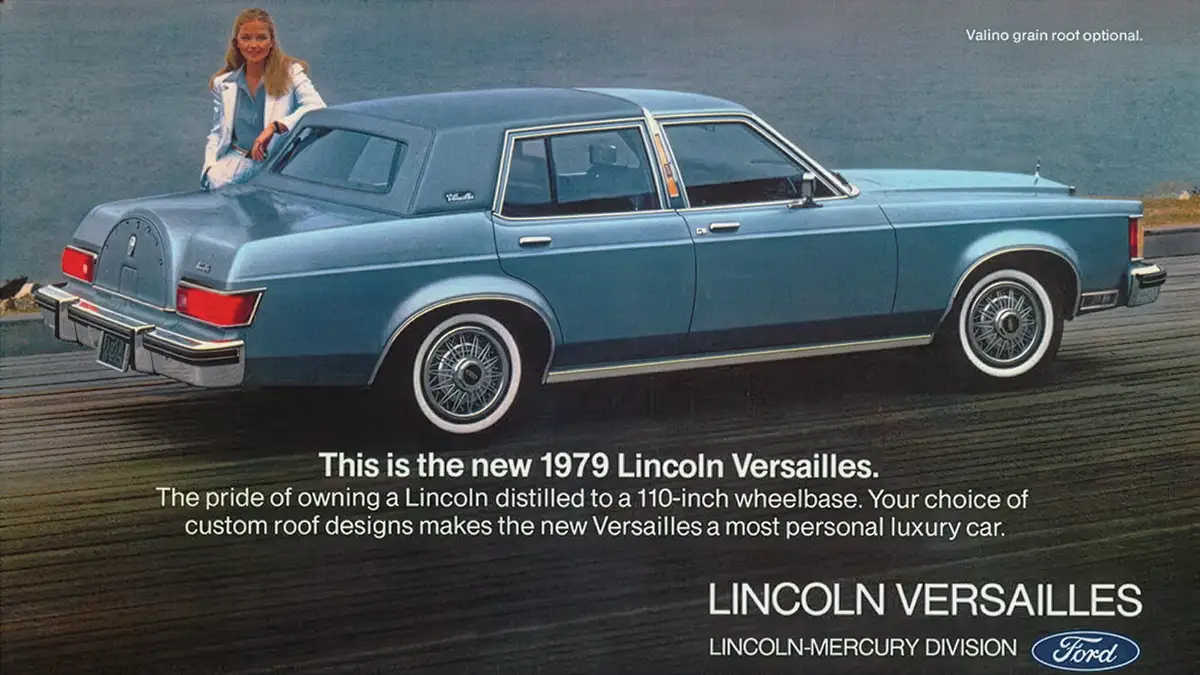
For 1979, Ford attempted to correct course by giving the Versailles a more convincing Lincoln identity. Revised front and rear styling, along with additional luxury touches, helped sales rebound to over 21,000 units. But the improvement was short-lived. By its final year in 1980, sales had fallen all the way down to under 5,000 units. At the same time, Cadillac was selling over 53,000 Sevilles annually, proving buyers were willing to pay for a compact luxury sedan if it truly felt upscale, exclusive, and unique.
These new prototype images offer an interesting glimpse into what Lincoln designers were considering for the future. The planned second-generation Versailles featured cleaner lines and a more formal appearance that aligned better with Lincoln’s design language of the early 1980s. There are even hints of the sharper, more aerodynamic styling trends that would become popular later in the decade. Even trying different front end designs. Yet, it still appeared far too close to the 2nd generation Granada. Ford seemingly had not fully learned the lesson from the original model. Instead of developing a genuinely distinct luxury sedan, the company once again appeared ready to rely on modified front and rear styling attached to an existing mainstream Ford platform.
Ironically, had Lincoln invested more heavily in the Versailles program, the car might have become a serious rival to Cadillac’s Seville during the 1980s. The luxury compact sedan segment was growing quickly at the time, and buyers increasingly wanted smaller, more efficient premium cars without sacrificing comfort or prestige. Cadillac understood this trend early, while Lincoln remained more cautious and cost-conscious. European luxury brands like BMW and Mercedes-Benz were also starting to gain traction in America, adding even more pressure on domestic luxury automakers.
Today, these forgotten prototypes stand as fascinating “what if” moments from Ford’s design studios. They also illustrate how difficult it was for American luxury brands in the late 1970s and early 1980s to balance rising development costs, fuel economy pressures, tightening emissions regulations, and the need for genuine brand identity.
Looking back now, the cancelled second-generation Versailles almost feels like a missed opportunity for Lincoln to redefine itself much earlier than it eventually did.