
2028 Honda CR-V Is Coming. But Don’t Expect a Revolution


It might sound surprising, but the original Honda CR-V is now over 30 years old. First introduced in Japan back in October 1995, the CR-V helped define the modern compact SUV segment. Fast forward to today, and the current sixth-generation model, launched in September 2022, is roughly 10 inches longer than that original version, offering more space, improved refinement, and updated technology. It’s also not as cute and has about 10% of the personality of the original model.
The current Honda CR-V is still going strong. For the 2026 model year, Honda introduced minor updates along with a new TrailSport trim, giving the popular SUV a slightly more rugged look. These updates help keep the model almost fresh, but they also hint that an all-new generation could arrive within the next two years.
However, don’t expect anything too radical.
Like many “new” gas-powered SUVs today, the next-generation CR-V will likely be heavily based on the current model. However, it will probably be closely related to the new 2027 Civic. And will use the same new Hybrid powertrain. This will include a new 2.0 Liter engine and a lighter setup. With a new direct-drive motor and generator. Just like the 2027 Civic, MPG will probably be improved as well.
The CR-V just had its best year ever.
With over 403,000 units sold last year, it remains one of the best-selling vehicles in the U.S. That kind of success doesn’t encourage dramatic changes. In fact, it usually does the opposite. Most buyers prefer familiarity. They want something that feels like what they already trust, not a complete reinvention.
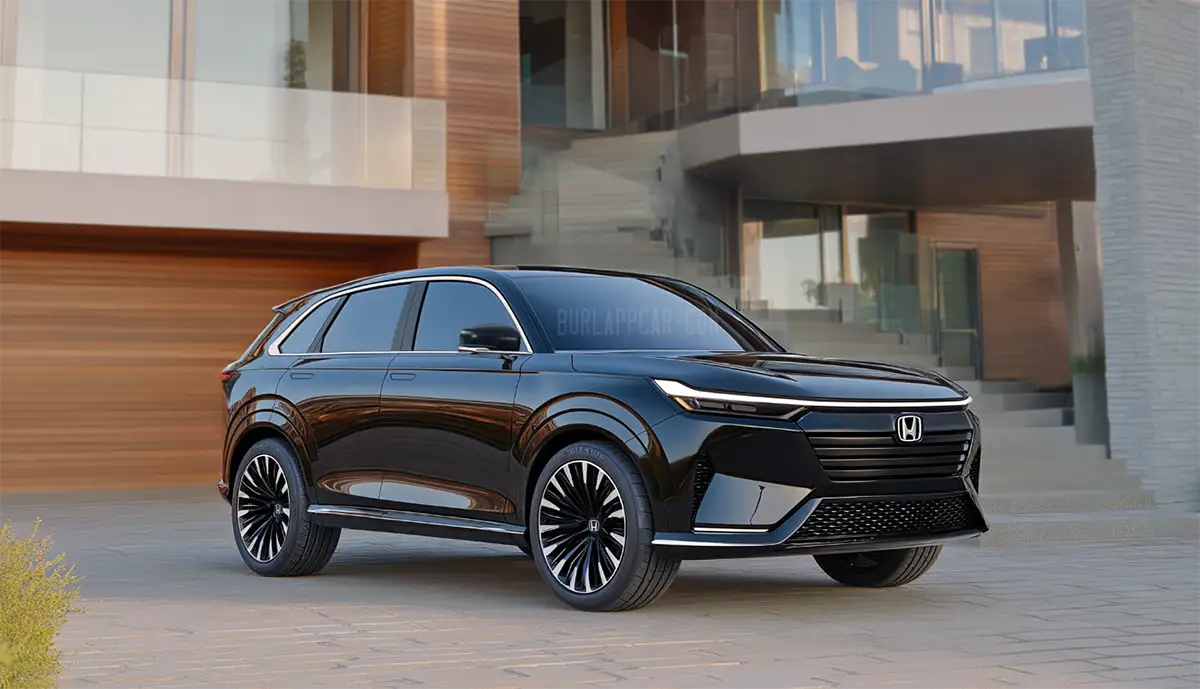
The illustration above shows a timid approach to a new design. Which is probably what Honda will be doing with the next generation. Unless they went for something truly new. A design inspired by the defunct 0 Series SUV. You know, the one we’ll unfrotubatelly never see..
It looks like the good old CR-V will remain a key part of Honda’s lineup for years to come. In fact, the next generation could make hybrid technology standard across the range, reflecting the growing shift toward electrification without requiring a full transition to EVs. A plug-in hybrid variant is also a possibility, though Honda may be cautious about adding a more expensive option unless demand clearly supports it.
Ultimately, Honda’s strategy seems clear: slightly evolve, not reinvent.
With such strong sales and a loyal customer base, there’s little incentive to take big risks with the CR-V. Instead, expect gradual improvements, smarter electrification, and a design that feels new—but not unfamiliar.
And while EVs will play a bigger role in Honda’s future, the CR-V isn’t going anywhere anytime soon.