
2029 Acura MDX Will Use a V6 Hybrid. But Will 30 MPG Be Enough?


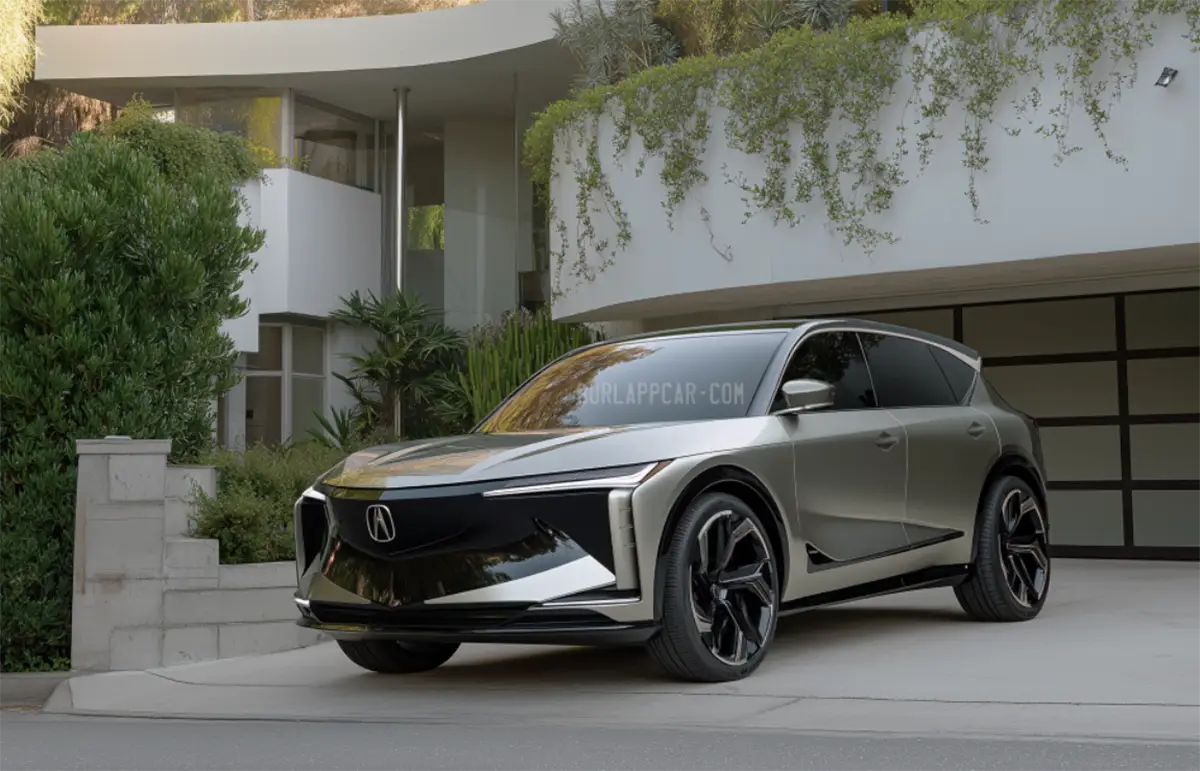
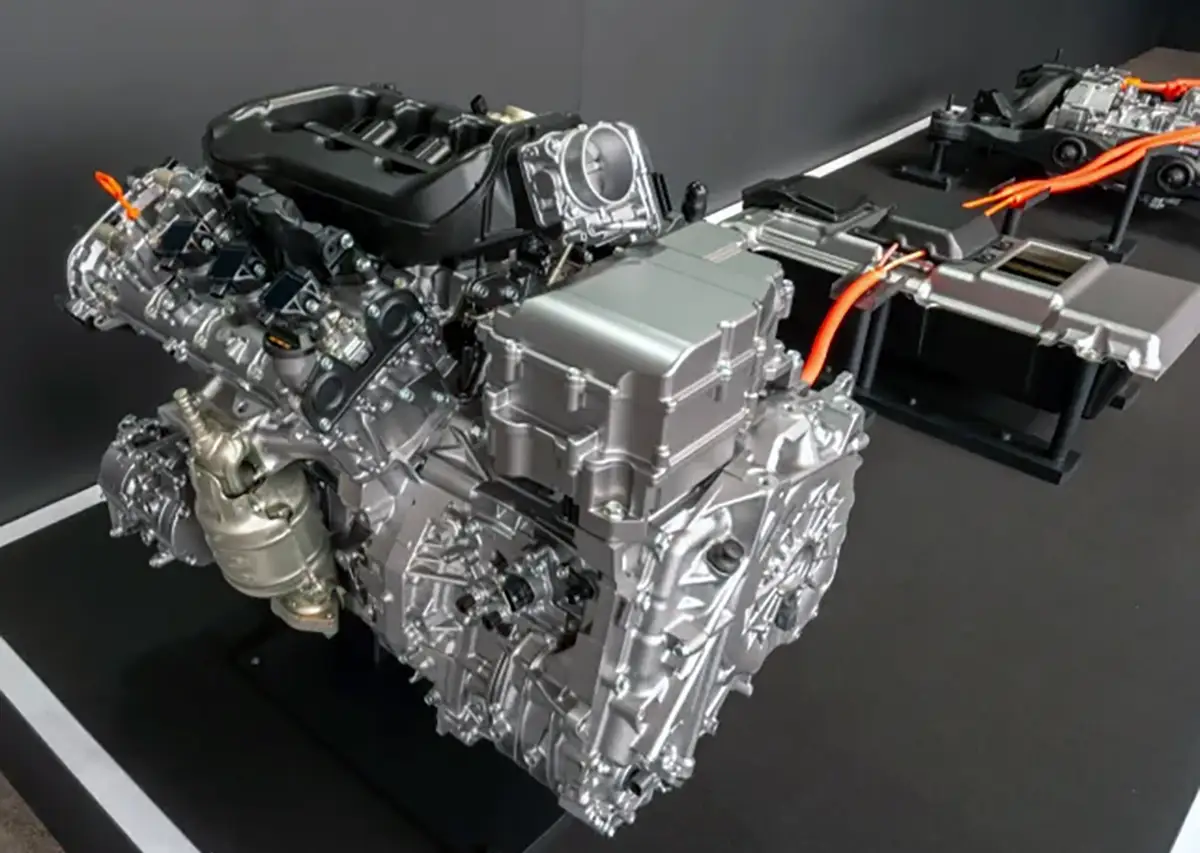
Unlike the Toyota Highlander, the next-generation Acura MDX SUV will reportedly not be a fully electric vehicle. Instead, Acura has already confirmed it will be based on Honda’s upcoming large-size hybrid platform, which will also underpin the next generation of the Honda Pilot, Odyssey and eventually the next passport as well.
That new platform will use a new V6 engine paired with two electric motors, forming a next-generation hybrid system designed specifically for larger SUVs. According to Honda, the goal is to significantly improve both efficiency and performance compared with current internal-combustion models.
Honda says it is targeting more than a 30% fuel-efficiency improvement over current ICE vehicles in the same segment. To achieve this, the company plans to combine a next-generation V6 engine with an extended fuel-efficient range, highly efficient drive units, and advanced energy-management software that optimizes drive modes depending on road and driving conditions.
The system will also focus on performance. Honda says the new hybrid powertrain should deliver over 10% better full-throttle acceleration than comparable gasoline models by improving engine efficiency, maximizing electric motor output, and using the battery to provide additional power during acceleration. I’m not sure any buyers would ever notice that “10% better acceleration” in real life. I means, really…
On paper, that sounds promising. However, by the time this technology reaches production for the 2029 model year it could already feel somewhat dated. By then, the market will likely have far more EVs, along with a growing number of range-extended electric vehicles (EREVs) that use a gasoline engine only to charge the battery rather than directly power the wheels.
Those systems could potentially deliver much better real-world efficiency than a V6 hybrid setup.
For context, the last Acura MDX I test drove was rated at 17 mpg city / 21 mpg highway, which is extremely low by modern standards. The Honda Passport didn’t perform much better with ratings of 18/23 mpg, and in real-world driving the 23 mpg highway figure was actually the best number I achieved.
If Honda’s new hybrid system improves fuel economy by 30%, that would translate to roughly 30 mpg on the highway. While that would be a noticeable improvement, it may still look modest by late-decade standards, especially if competing electrified SUVs are achieving much higher efficiency.
That raises an interesting strategic question: Is Honda betting that large-SUV buyers still won’t care at all about fuel economy by the end of the decade? If so, that could be a risky assumption as fuel prices, emissions regulations, and consumer expectations continue to evolve.
Acura does have the all-new five-seat Acura RSX EV scheduled to arrive before the end of the year, which should help expand the brand’s electric lineup. (Especially since they currently don’t have any). However, beyond that model, the company’s EV roadmap appears less certain, especially since the previously planned three-row electric SUV reportedly has been canceled.
Meanwhile, competitors are moving quickly. Toyota is expected to offer two new electrified three-row SUVs before the end of this year, increasing pressure on other brands to accelerate their electrification strategies.
In that context, investing heavily in a V6-based hybrid platform that may only deliver around 30 mpg could look like a slow and potentially expensive transition strategy. Especially if the market shifts faster toward EVs and range-extended electric vehicles.
For buyers who still must have a gasoline powertrain, the new MDX hybrid could offer an almost decent balance of performance, range, and refinement. But whether it will feel competitive in the rapidly evolving electrified SUV market of 2029 remains an open question.
The illustration above shows what the next-generation 2029 Acura MDX Hybrid couyld look like when it is introduced in 2028.