
New Smart sedan interior feels a lot like a Mercedes.


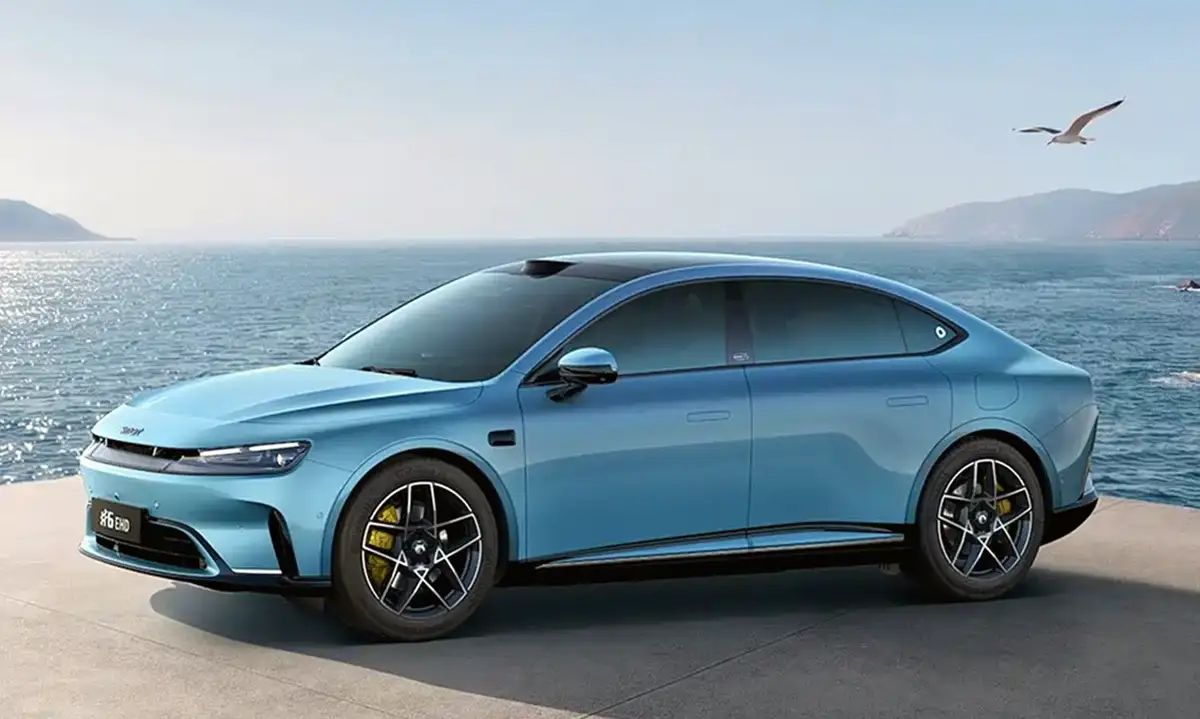
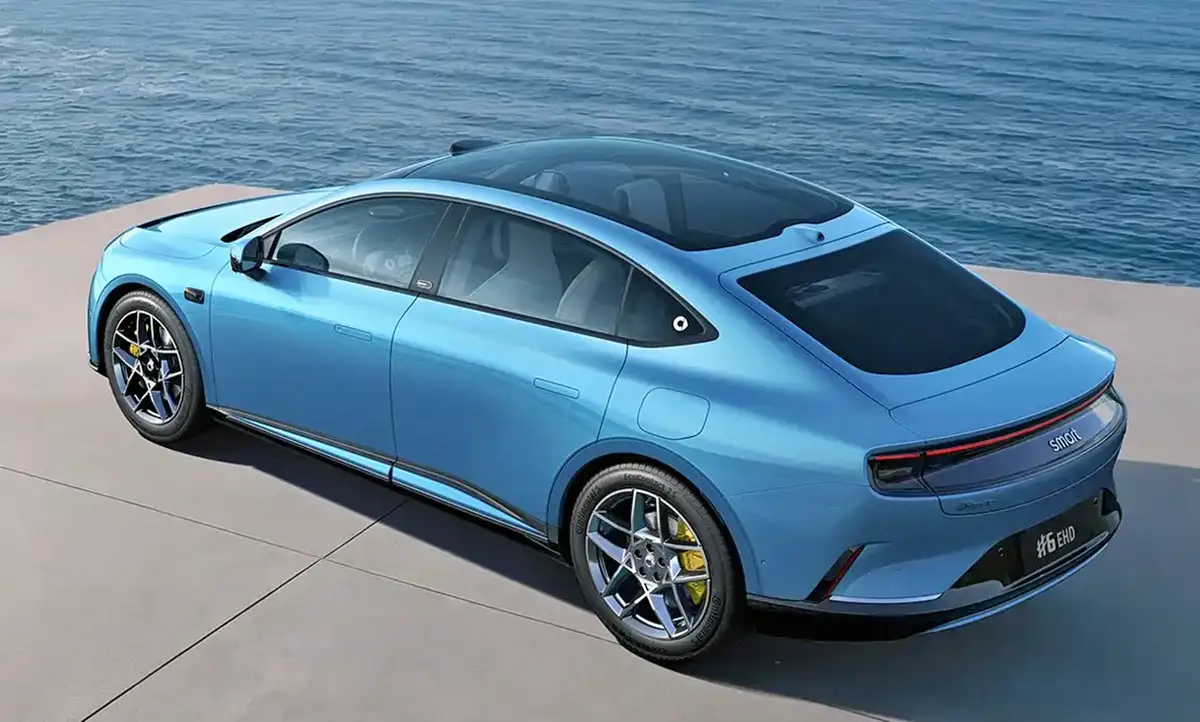
Smart just revealed a brand-new sedan. As I mentioned a few weeks ago, it looks a lot like something Dodge would build. It’s a large car, actually longer than a Honda Accord. Which basically defeats the whole purpose of a Smart in the first place. But who am I to say…
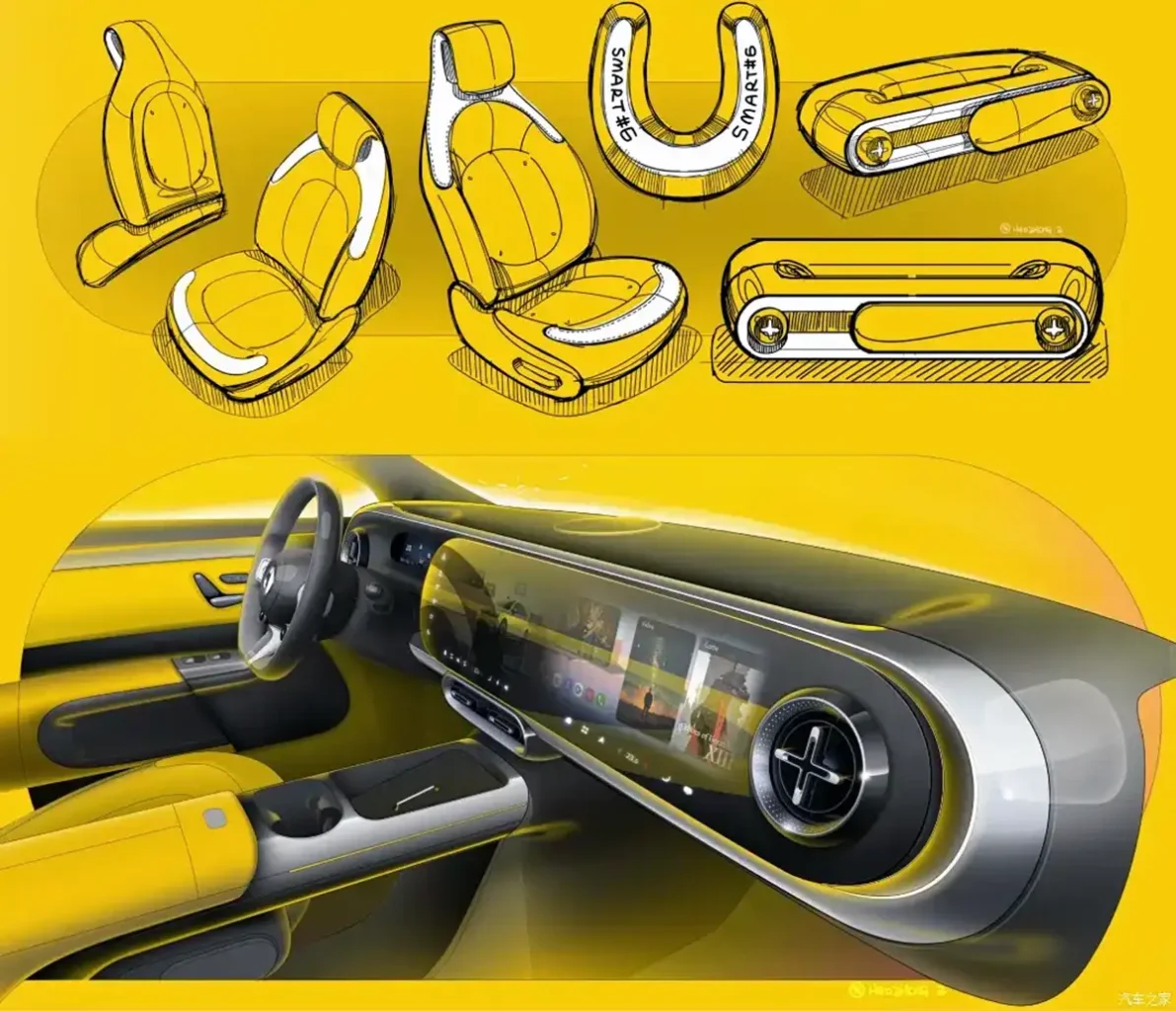
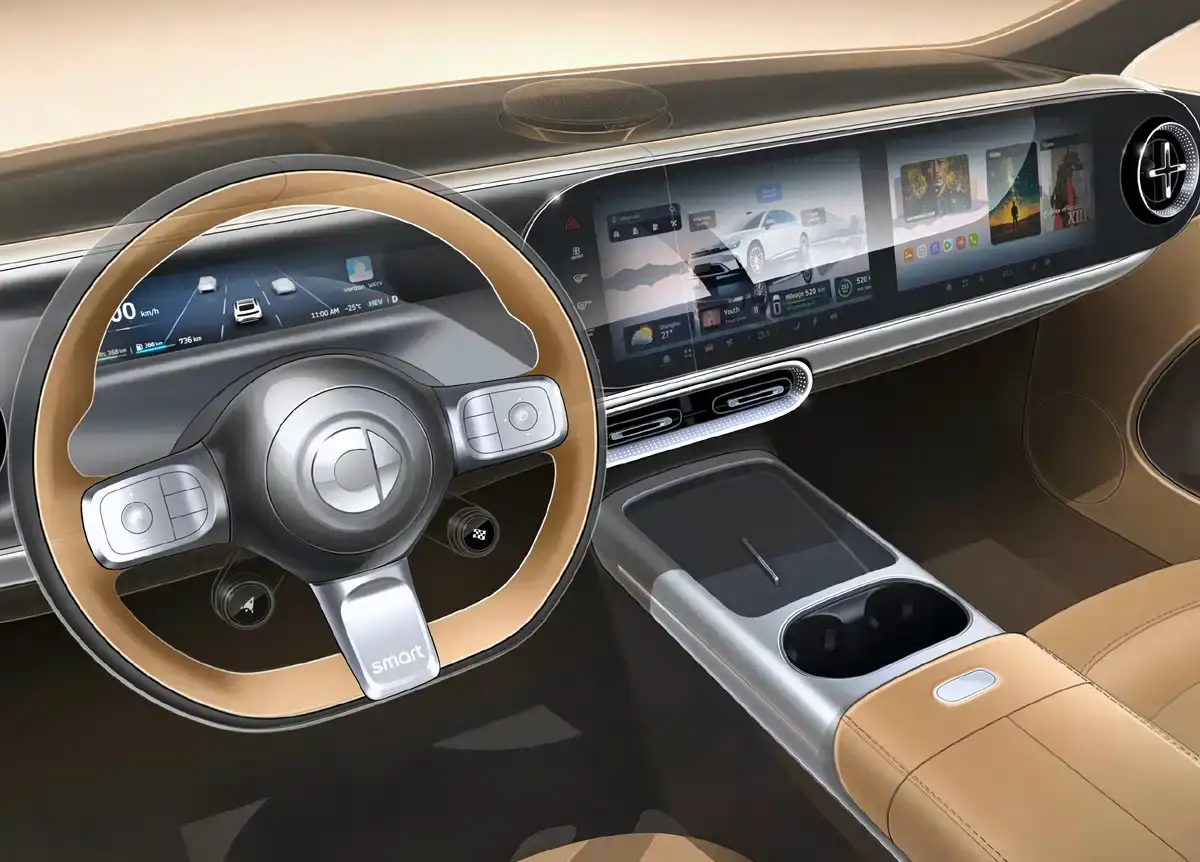
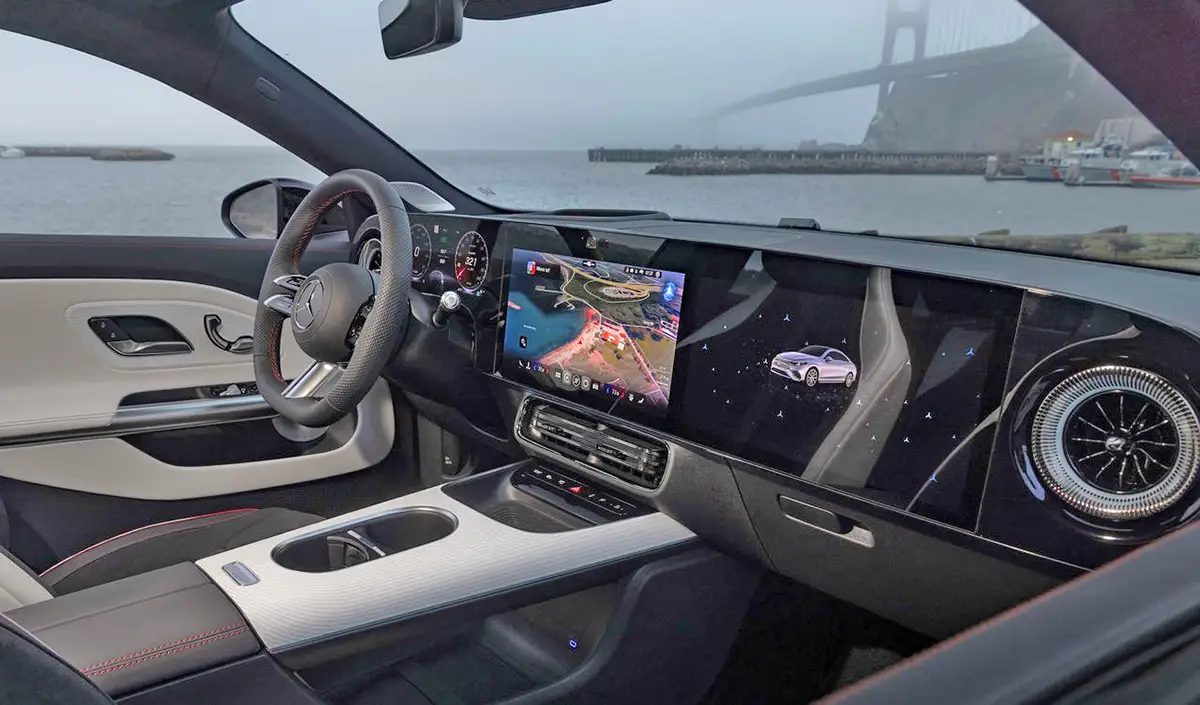
However, inside, it looks a lot like the new Mercedes CLA. It seems the structure is exactly the same. The flat floating center consode. The screens, the center air vents. Even the circular side vents at each side of the dash. Door panels are quite similar too.
Smart is both own by Geely and Mercedes, and it looks like a lot of Mercedes stuff found its way in the new Smart #6 sedan. Something I also noticed with the new Mercedes GLB. Which looks a lot like a Smart #5…
Of course, Smart has gradually been introducing larger models over the years. Those cars still managed to fit within the brand’s quirky small-car identity. They felt playful, slightly unconventional, and appropriately scaled for what Smart was always about. But now we have this: a conservative, full-size sedan that feels completely disconnected from that original vision. It’s hard to see how this fits.
The Smart brand is 50% owned by the Chinese automaker Geely, with the other half belonging to Mercedes. And Geely already has a huge portfolio of brands—seriously, an overwhelming number—each with its own identity and positioning. So why use Smart for this? That’s what makes the decision so strange. It almost comes across as badge engineering disguised as brand evolution, rather than something authentic or organic.
Apparently, Mercedes handled the exterior design. To their credit, they resisted adding an oversized, aggressive grille, which honestly feels like a small victory given current design trends. Still, the overall look leans heavily toward something more conventional and familiar.
To me, the whole thing resembles a modern Dodge sedan. It looks like a hypothetical second-generation version of a compact Dodge from about a decade ago, just scaled up and softened for today’s market. Ironically, it would probably work really well as a new midsize Dodge. It even features a proper hatchback—similar to the new Charger—which is genuinely practical and a nice touch. That part, at least, feels thoughtful and somewhat distinctive.
Underneath, the new Smart sedan shares its architecture with other Geely products, like the Zeekr 007 and Smart’s own #5 model. So mechanically, it’s not particularly unique to the brand. The initial version is a plug-in hybrid, with fully electric variants expected later.
Like many modern setups, it uses a small 1.5-liter engine paired with electric motors. The claimed electric-only range is an impressive 177 miles. Realistically, that might translate to around 140 miles EPA, which is still excellent for everyday driving. For many people, that means they could go about their daily routine without ever needing the gas engine—assuming they actually remember to plug it in, which, surprisingly, remains an issue for a lot of PHEV owners.
In isolation, this is probably a very good car. It seems efficient, well-packaged, and competitive for its segment. It might even be genuinely appealing to a wide audience. But it just doesn’t feel like a Smart. Not even close. It feels like an entirely different identity wearing a familiar badge, and that disconnect is difficult to ignore—and even harder to justify from a branding perspective.