
New 2027 Nissan Rogue: New Design, e-Power Hybrid, and Why It Might Not Make Sense


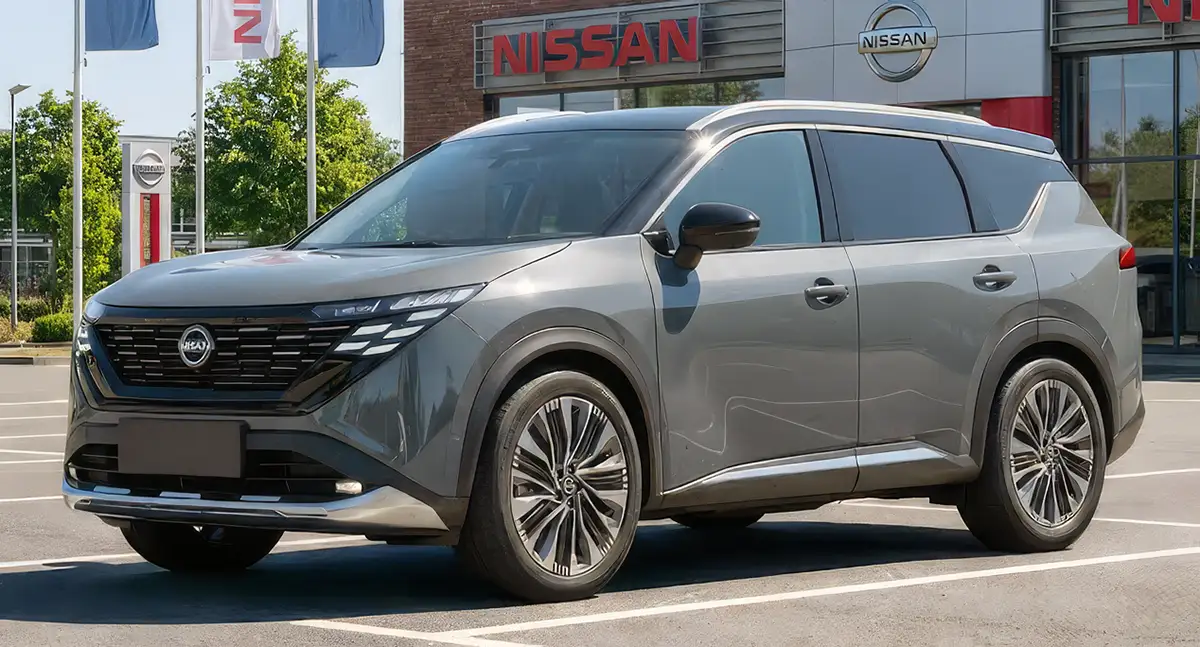
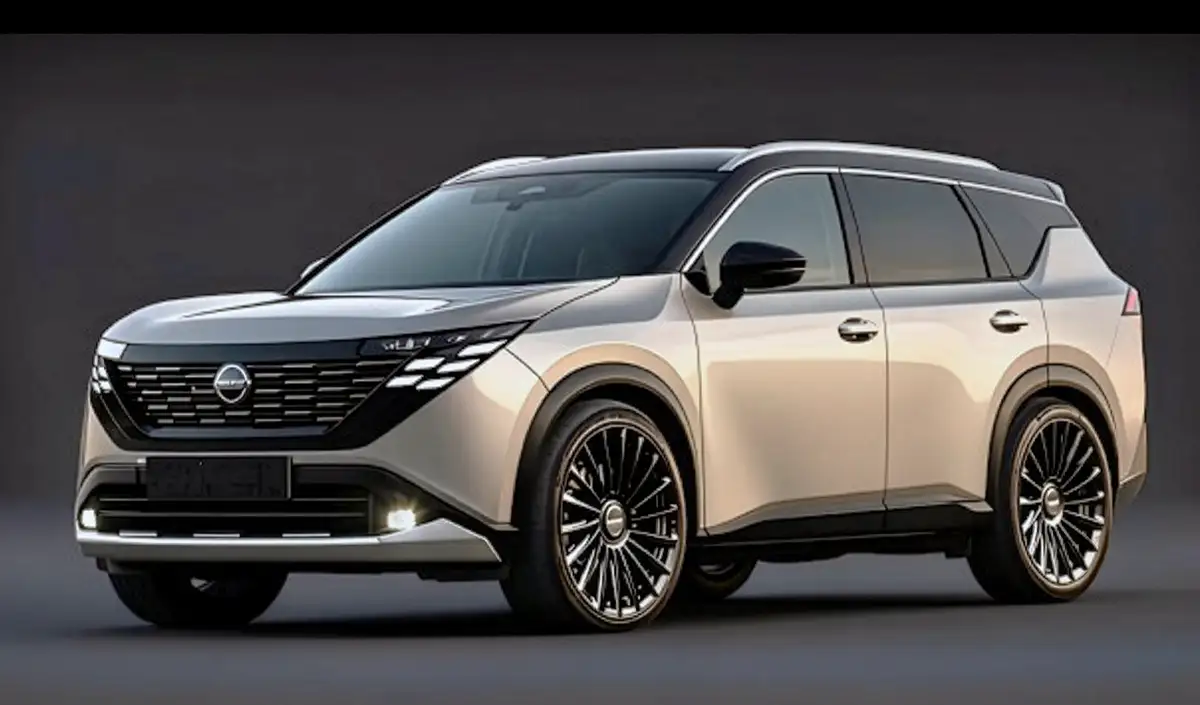
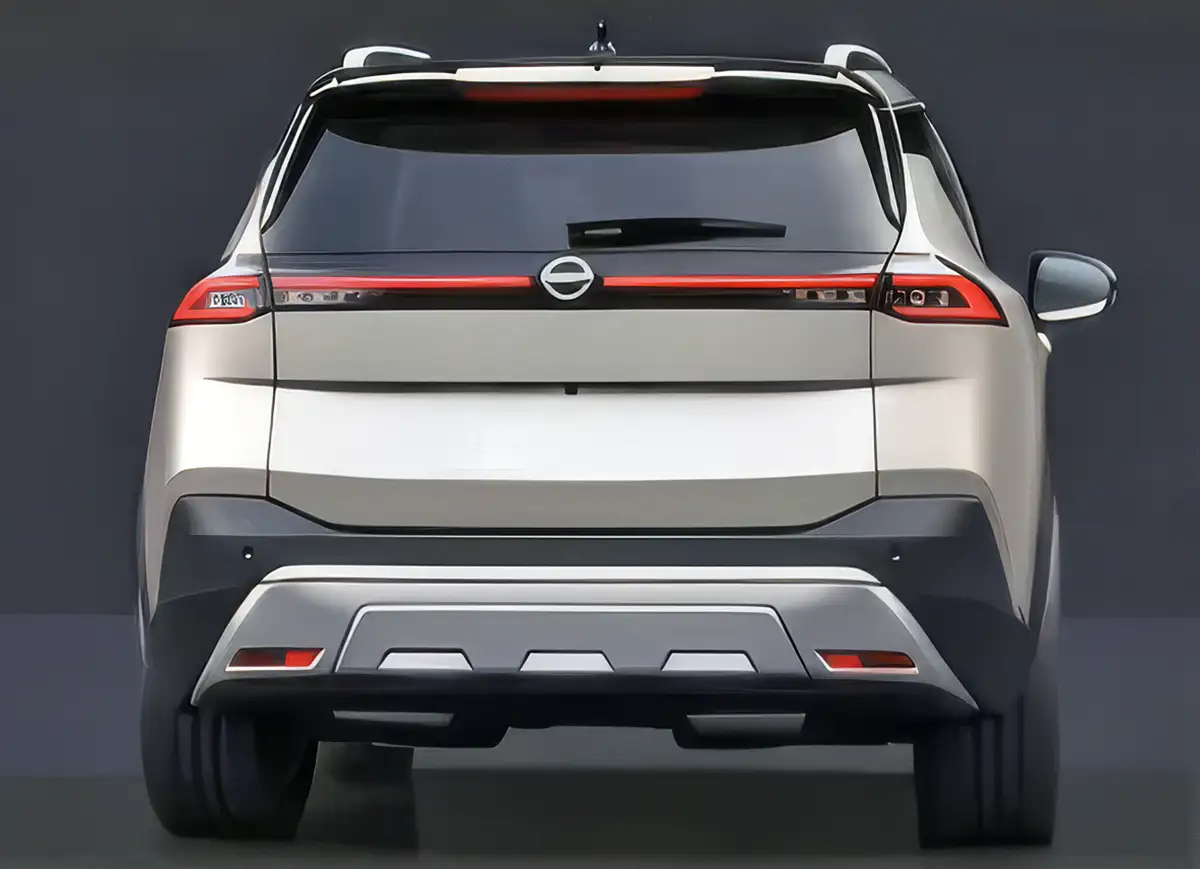
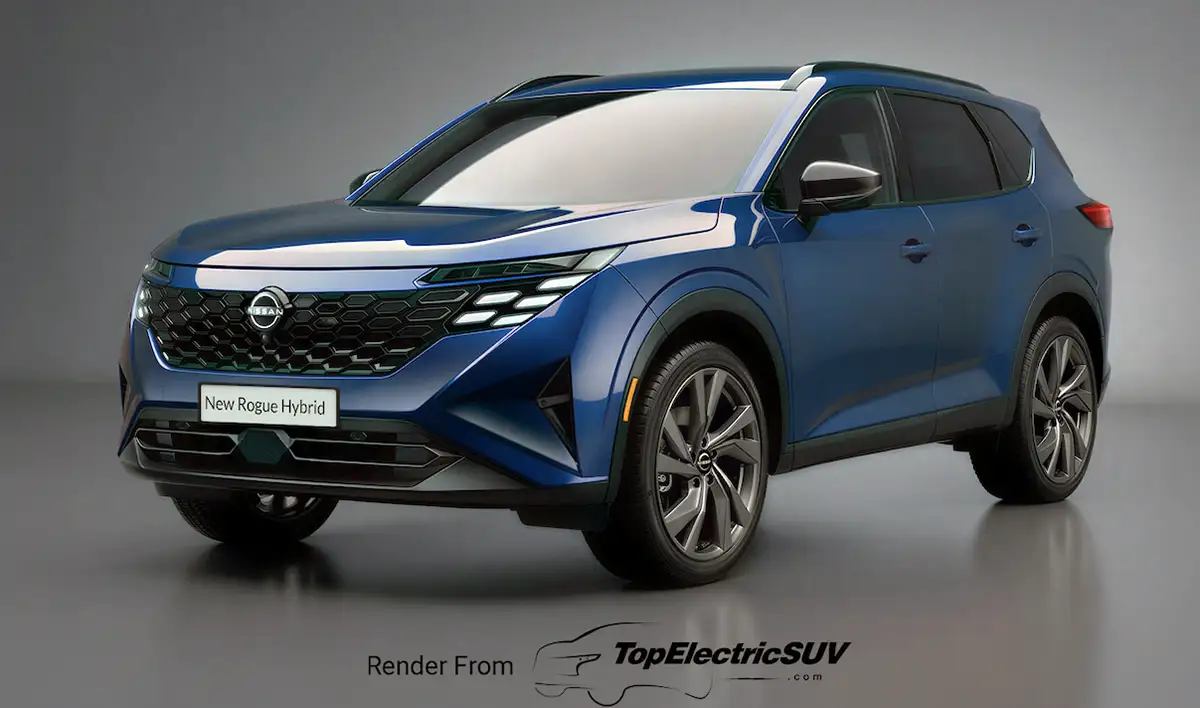
Nissan may have just introduced a “new” Rogue Hybrid for 2026, but it’s not exactly groundbreaking. Or even new. In reality, it’s a rebadged Mitsubishi Outlander with a few Nissan-specific tweaks. The real story lies a bit further ahead, with the fully redesigned next-generation Rogue arriving for the 2027 model year.
The upcoming Rogue, known as the Nissan X-Trail in Europe, will be an all-new generation. Early renderings already give us a solid idea of what to expect. And interestingly, they line up closely with camouflaged prototypes that have been spotted out testing. That consistency suggests Nissan already has a clear and focused design direction.
Visually, the overall shape doesn’t seem drastically different from the current model. That’s likely a deliberate and smart move. When a vehicle is already selling this well, taking major design risks can easily backfire. Subtle evolution often works better than radical change in high-volume segments like compact SUVs.
And the Rogue is quite a big deal for Nissan.
The company sold nearly 250,000 units in the U.S. last year alone, making it one of its most important and reliable sellers. With numbers like that, there’s no need to reinvent the formula. A cleaner exterior design, a more refined interior with updated tech, and some meaningful improvements under the hood could be more than enough to keep it competitive with heavy hitters like the Toyota RAV4, Honda CR-V, and Hyundai Tucson.
That said, the biggest story will likely be what’s happening beneath the surface.
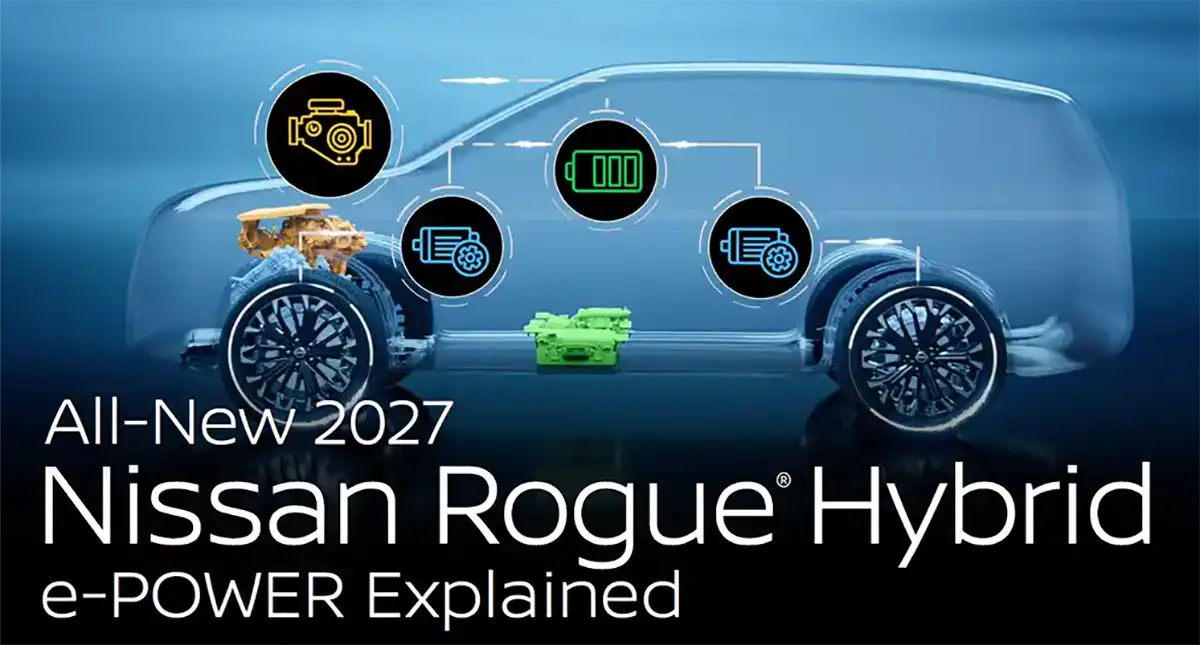
For the first time in the U.S., the 2027 Rogue is expected to feature a hybrid system based on the third generation of Nissan’s e-Power technology. Unlike conventional hybrids, this setup uses the gasoline engine purely as a generator. It never directly powers the wheels, instead, the electric motor handles all propulsion.
On paper, that means the Rogue drives much more like a full EV than a traditional hybrid. I actually had the chance to experience the current version of this system in Europe a few months ago. And honestly, it left me a bit conflicted.
Most of the time, the car feels exactly like an electric vehicle, smooth, quiet, and instantly responsive. But then, seemingly at random, the gasoline engine kicks on to recharge the battery. That transition can feel a bit jarring, both in sound and in the overall driving experience. It’s not necessarily bad, it’s just… different. And a bit weird.
You end up with an EV-like driving feel, but you’re still stopping for gas. The X-Trail E-Power I drove was also rated at the US equivalanet of 42-49MPG. Which is fine but not amazing at all. it’s almost exactly the same as the 2026 Toyota RAV-4 Hybrid. I just really cannot see the point of this at all…
There’s also the question of efficiency. Since the system combines a gasoline engine, a battery pack, and an electric motor, it carries more complexity—and weight—than either a traditional hybrid or a full EV. In some cases, that can limit the real-world fuel economy benefits people might expect.
From my perspective, the concept feels slightly caught in the middle.
If you like how EVs drive, it may make more sense to go fully electric, especially now that many EVs offer 300 miles of range or more. Charging infrastructure is improving rapidly, and ownership is becoming more practical and cost-effective for a growing number of drivers.
On the other hand, if simplicity and proven efficiency matter more, a traditional hybrid still does a great job without the added complexity of a generator-based system.
That said, Nissan is clearly committed to e-Power, and this next-generation Rogue will be a major test of whether buyers see the value in it.
It’s an interesting idea, but whether it truly resonates with consumers is still an open question. Basically, cost will decide how popular the e-Power system will be in the US.