
2027 Hyundai Ioniq 3 Looks Way Better Without the N-Line Trim


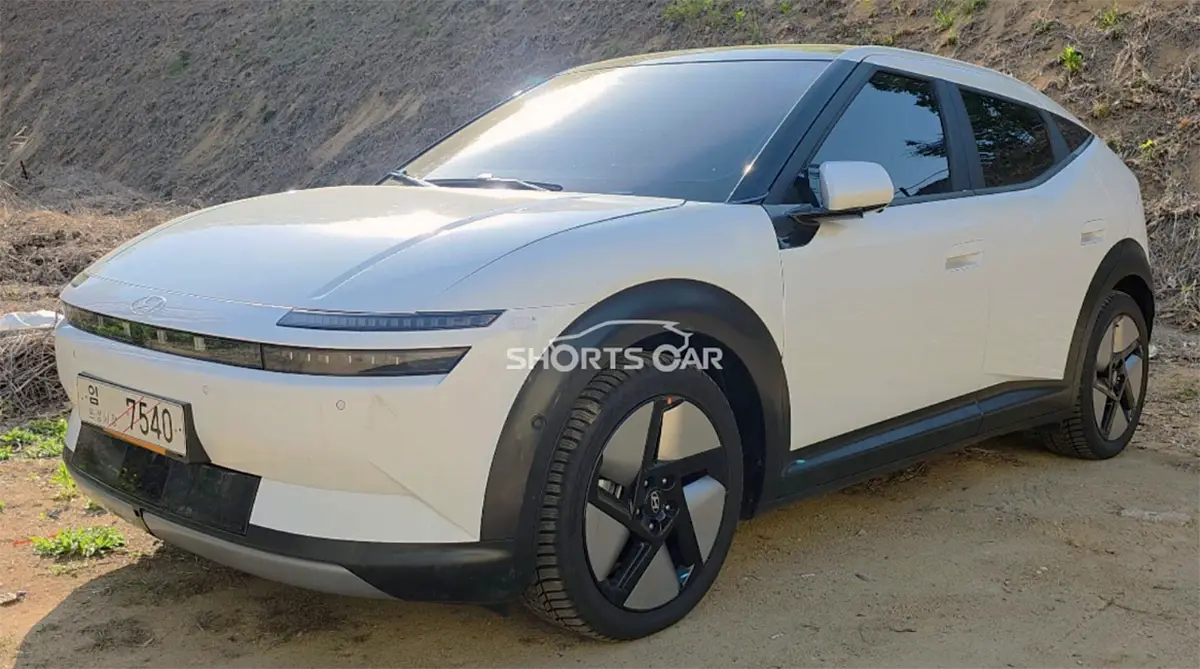
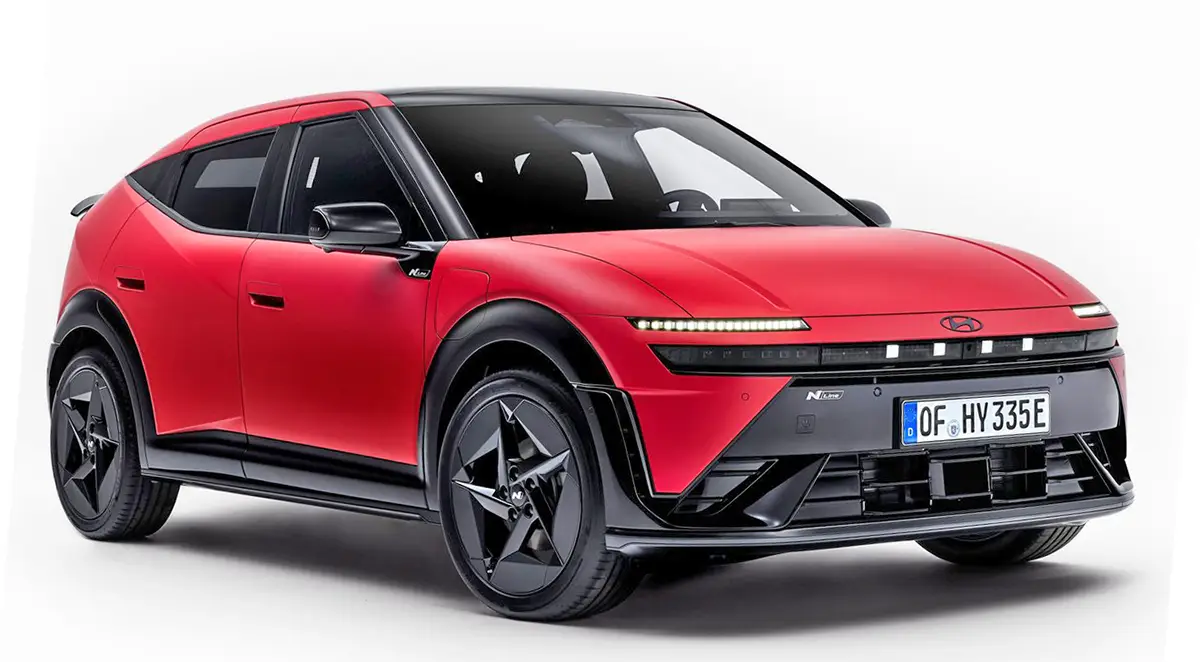
Hyundai recently revealed the all-new Hyundai Ioniq 3 just a few days ago, and I was actually pretty excited about this new compact, potentially affordable EV. On paper, it sounded like exactly the kind of car many buyers have been waiting for. A smaller, stylish, and accessible electric vehicle from a brand that has been on a roll lately.
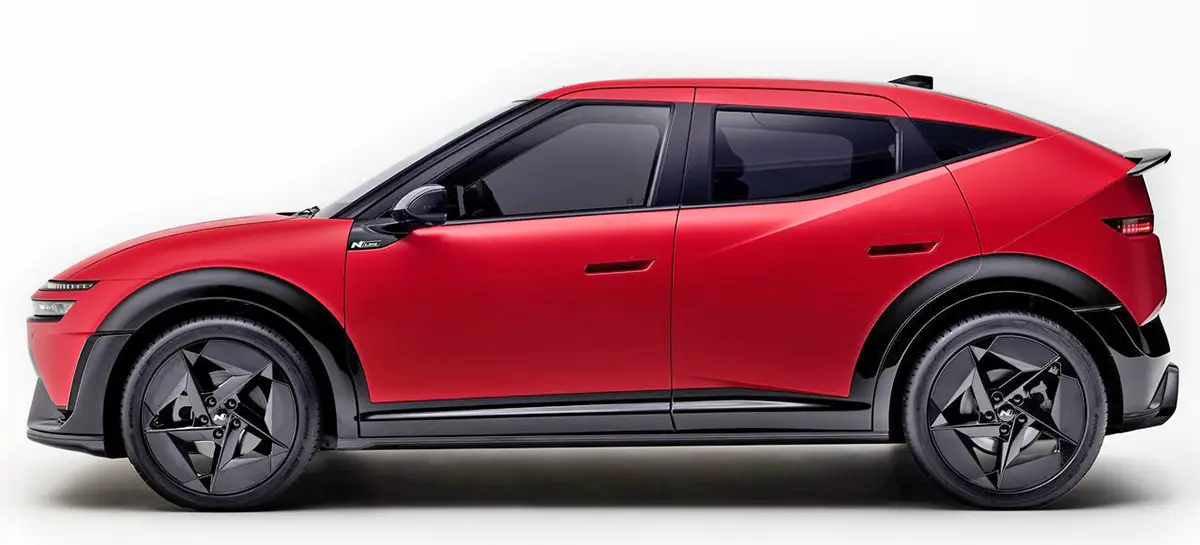
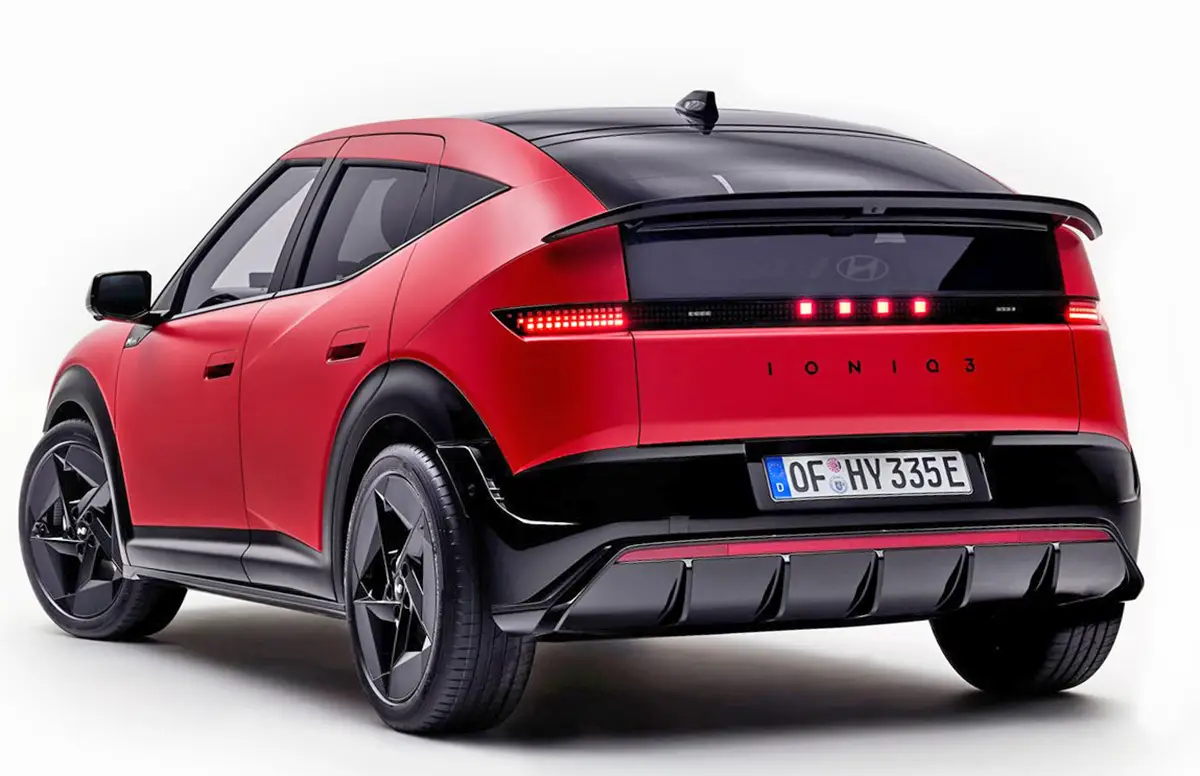
However, the version Hyundai chose to showcase to the media was the so-called “sportier” N-Line trim, which looked quite ghastly. The excessive black plastic cladding crap and overdone styling elements completely overshadowed what might otherwise be a clean design.
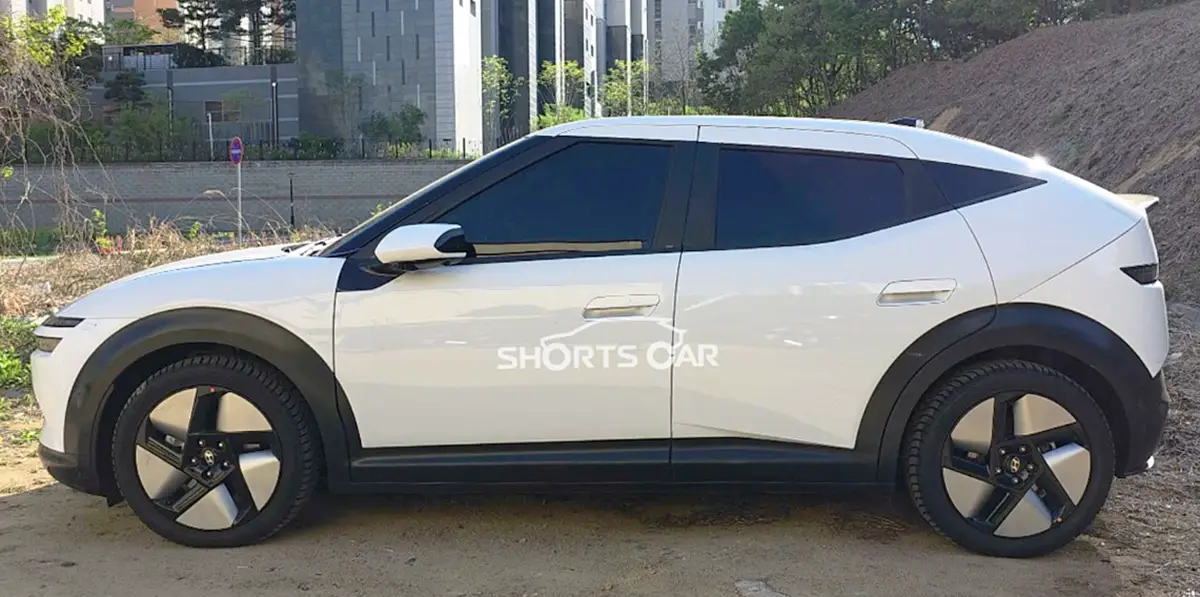
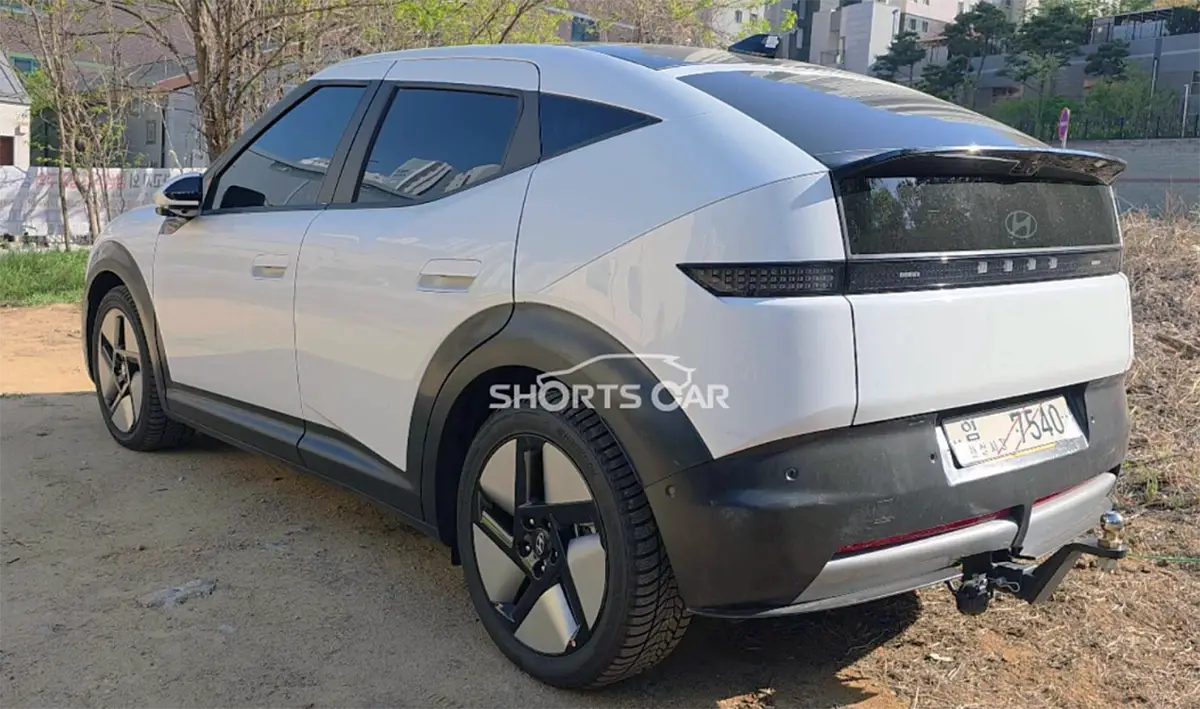
Now, thanks to new spy photos of the regular Hyundai Ioniq 3, spotted somewhere in Korea, almost looking abandoned, we finally get a better idea of the car’s true design. And surprise: without all that unnecessary trim, it actually looks much better. The lines are cleaner, the proportions make more sense, and the overall aesthetic feels modern and cohesive. This is much closer to what many of us were expecting before the official reveal.
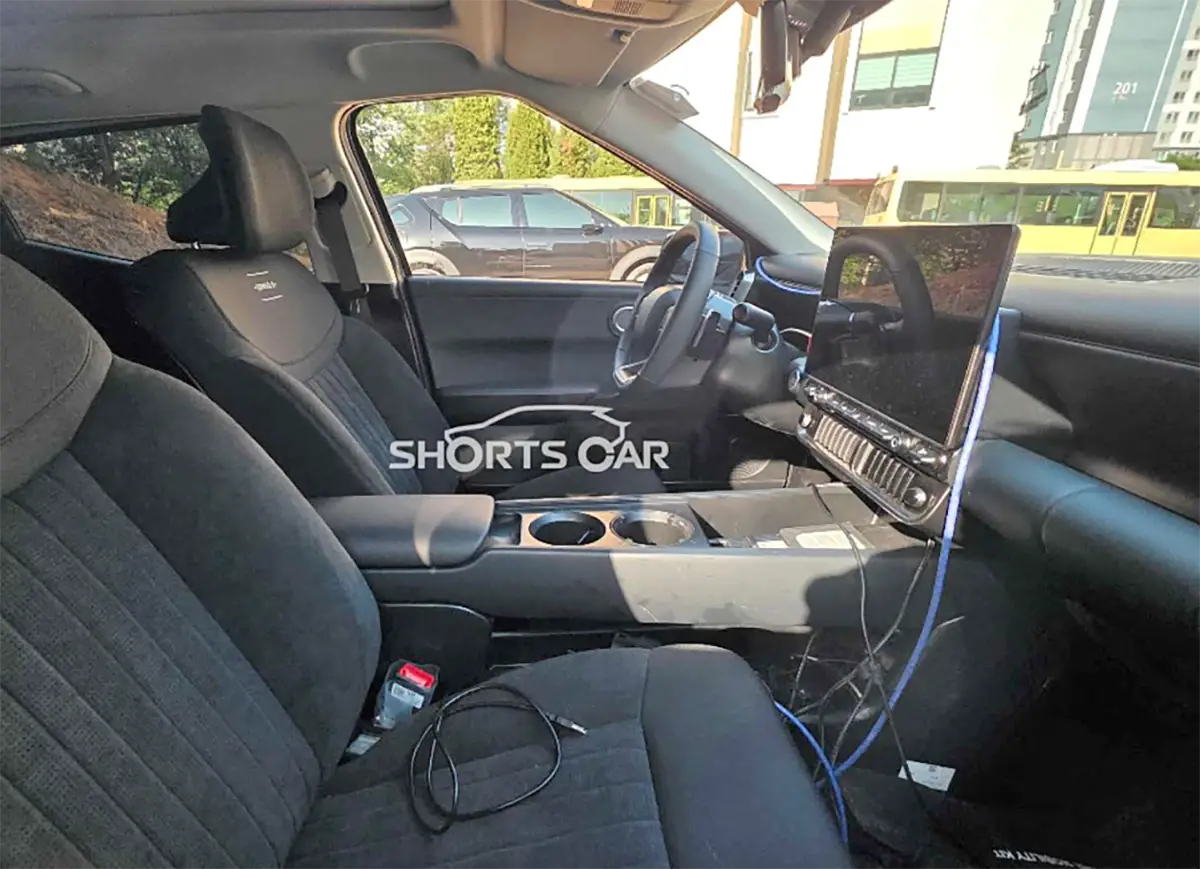
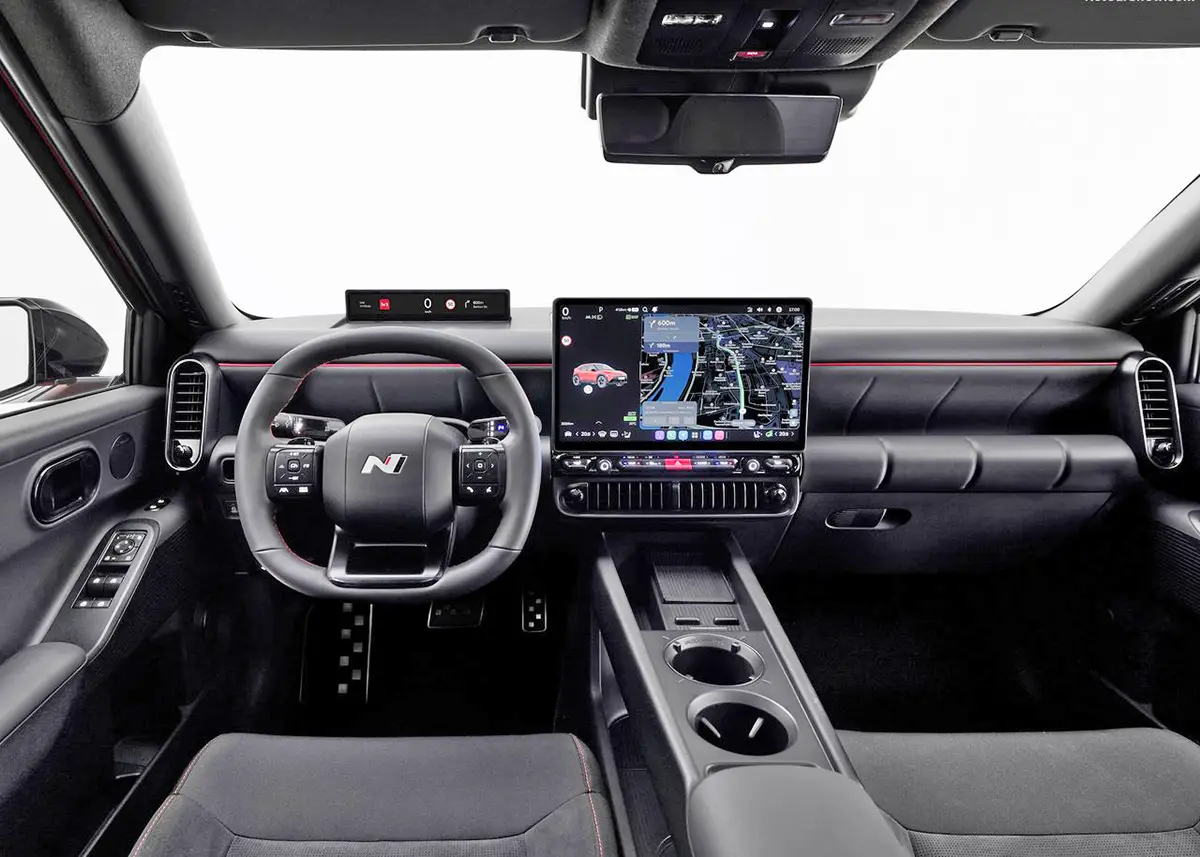
Inside, though, things are a bit less exciting. Hyundai appears to be moving away from the more distinctive and experimental interiors we’ve seen in models like the Hyundai Ioniq 5. Instead, the Ioniq 3 adopts a more standardized layout: a large central infotainment screen, a smaller driver display. With a row of physical buttons underneath. It’s probably practical but also very generic. This same formula is now used across the industry, in about 90% of all new cars and SUVs. Or so it seems.
On the technical side, the Ioniq 3 differs from Hyundai’s more advanced EVs by using a 400-volt architecture instead of the faster 800-volt systems found in higher-end models. That means charging speeds won’t be as impressive, although Hyundai still claims around 29 minutes for a 10 to 80 percent charge. Two battery options will be available: a standard pack offering roughly 190 miles of range, and a larger “long range” version delivering about 280 miles. While decent, these figures aren’t groundbreaking and may fall short compared to competitors like the Nissan Leaf in the US.
For Europe, production will take place in Turkey, which helps Hyundai keep costs competitive. Unfortunately, the company has no plans to bring the Ioniq 3 to the United States. With new tariffs making small EVs less, or even not profitable. It simply doesn’t make financial sense for Hyundai to sell this model there, at least for now. Maybe Canada will get it.
In the end, the regular Ioniq 3 looks like the version Hyundai should have shown from the start. It’s clean, modern, and far more appealing without the visual clutter of the N-Line trim.