
Toyota’s sleek new bZ5 EV could be the Prius of the future


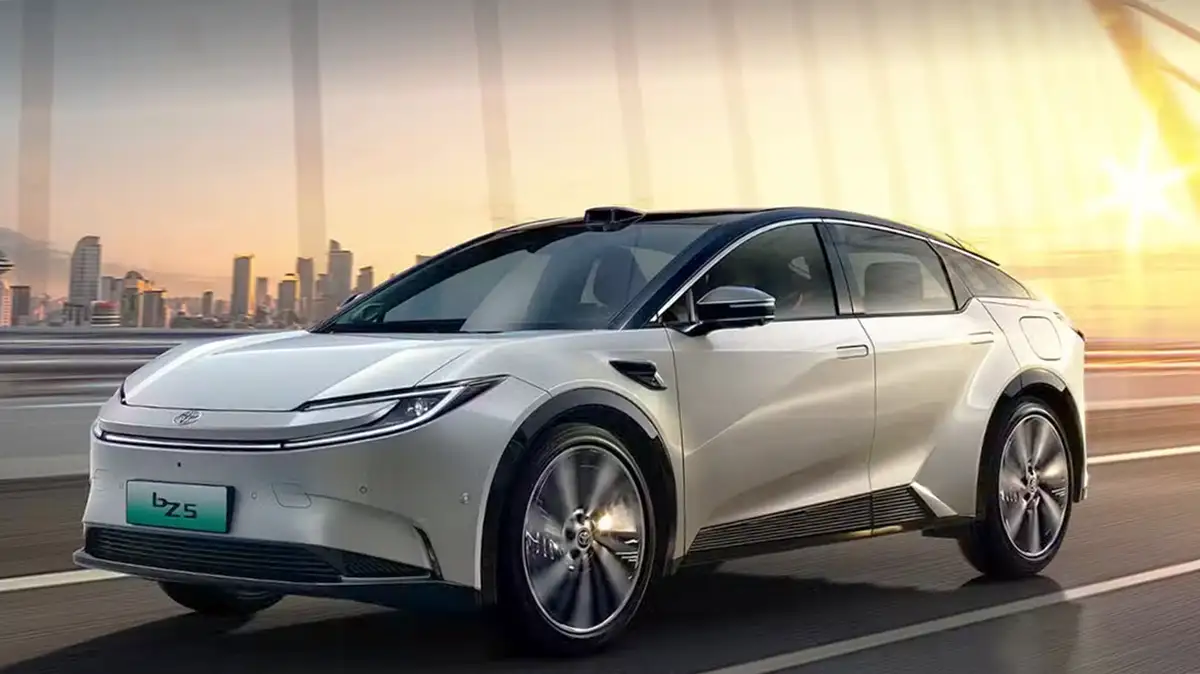
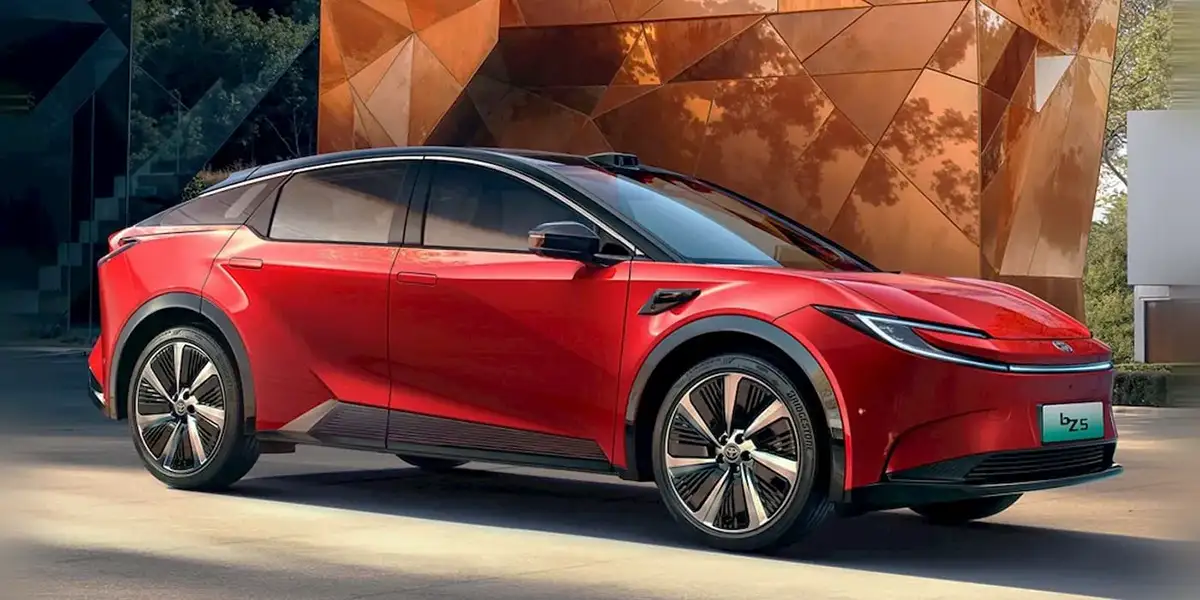
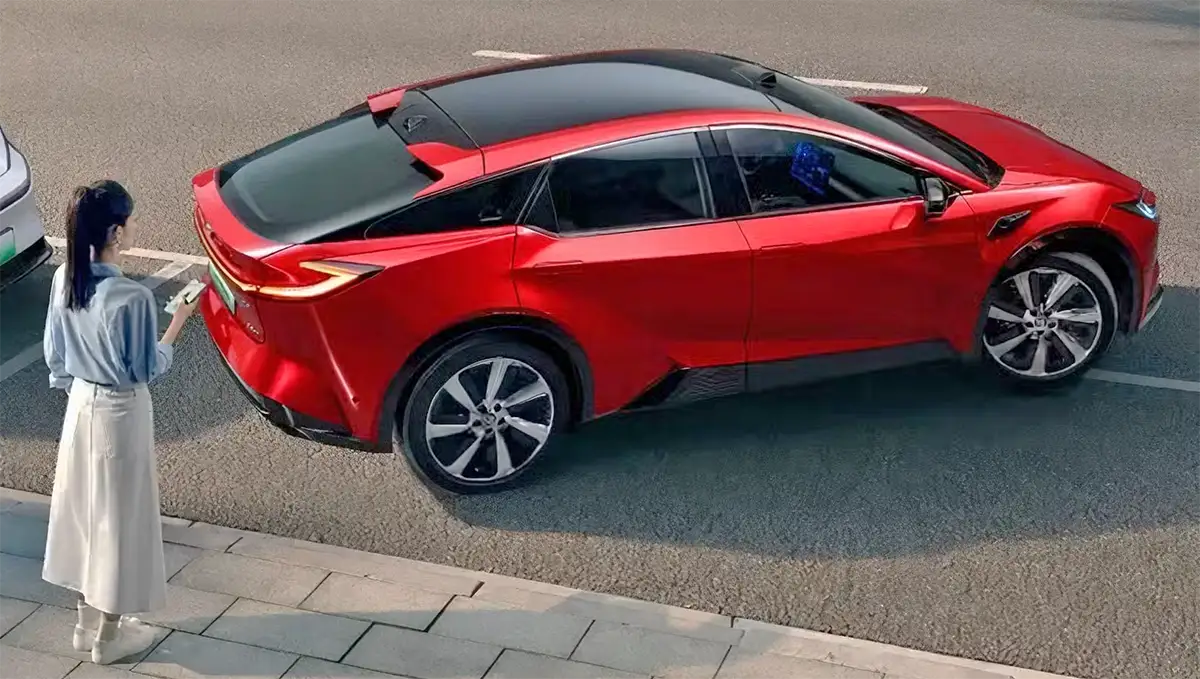
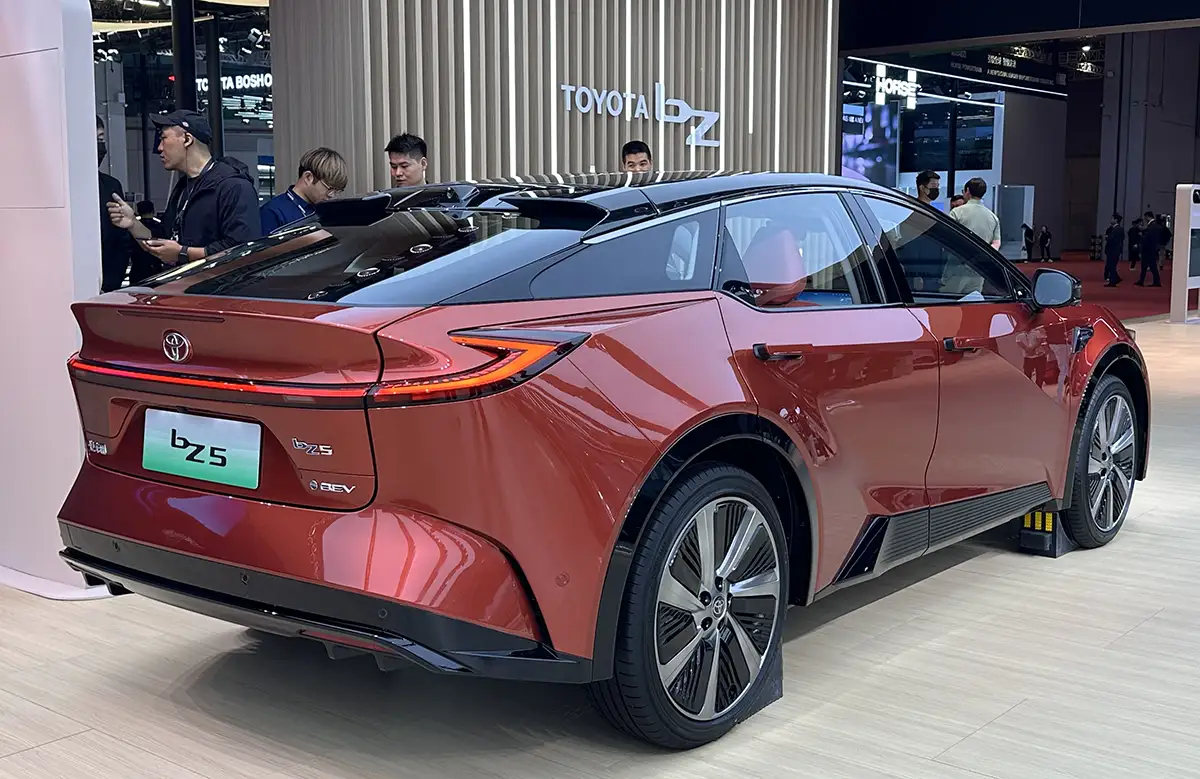
The Toyota bZ5 is a new EV model that debuted last year in China. It essentially looks like a sleeker, coupe-inspired evolution of the familiar bZ. But with a more refined and cohesive design. There’s also a noticeable hint of Prius DNA in its styling. Especially in the front and profile, giving it a more aerodynamic and modern feel than its sibling.
Like all of Toyota’s latest electric vehicles, it rides on the e-TNGA platform. So far, however, the bZ5 hasn’t made a major impact in the Chinese market, with just over 10,000 units sold during its first six months after launching in May. While not terrible for a new entry, that figure feels modest, especially when compared to the newer bZ7 sedan. It secured over 3,000 orders within its first hour of availability.
Toyota now seems far more committed to expanding its EV lineup in the United States. With plans to introduce seven electric models before the end of 2027. That shift is notable for a company that, until recently, offered just a single EV in the market. With that in mind, there could still be room for the bZ5 in North America. It would slot somewhere between the new C-HR and the standard bZ, potentially appealing to buyers who want something sportier without stepping into a larger vehicle.
Still, pricing and positioning remain odd. The lineup is already starting to feel crowded and somewhat inconsistent, especially when a smaller model like the C-HR ends up costing more than the larger bZ. That kind of overlap could make it harder for a model like the bZ5 to stand out unless Toyota carefully differentiates it.
One possible strategy could be to market it as a fully electric Prius alternative. That might give it a clearer identity, although pricing would again be critical. If it ends up costing more than the Prius plug-in hybrid, it risks creeping too close to bZ territory, which could, again, confuse buyers.
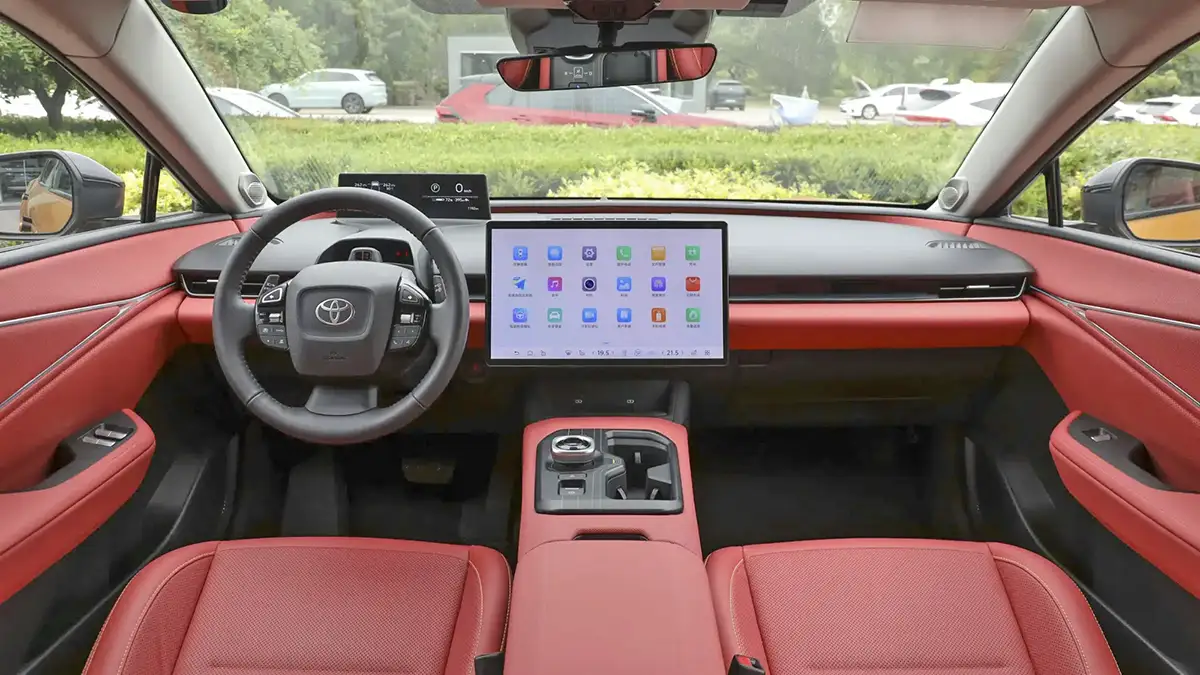
Inside, the bZ5 appears to blend elements from the bZ and the latest Highlander. Creating a cabin that feels both practical and slightly upscale. The layout looks clean and functional, with a focus on space and usability, though not overly futuristic.
It’s genuinely interesting to see Toyota accelerating its EV efforts at a time when several other manufacturers are slowing down, delaying, or even canceling projects. Honda, for example, recently killed multiple upcoming EVs that were just around the corner. A rash move that could end up costing them much more than the billions they just lost.
Given all this, it wouldn’t be surprising to see the bZ5 eventually make its way to the U.S. Possibly under a different name and with slight adjustments to better fit the market. If Toyota positions it correctly, it could quietly become one of the more compelling options in its growing electric lineup.