
All-new VW ID.Cross Production Model.


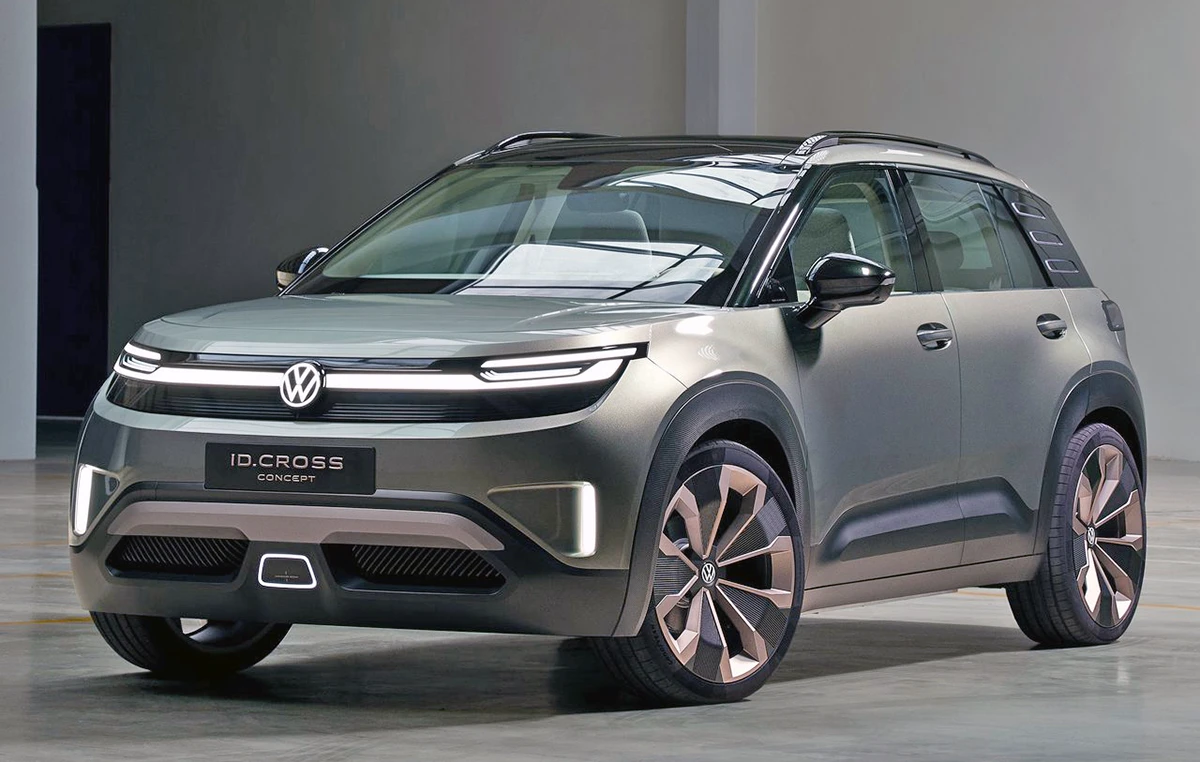

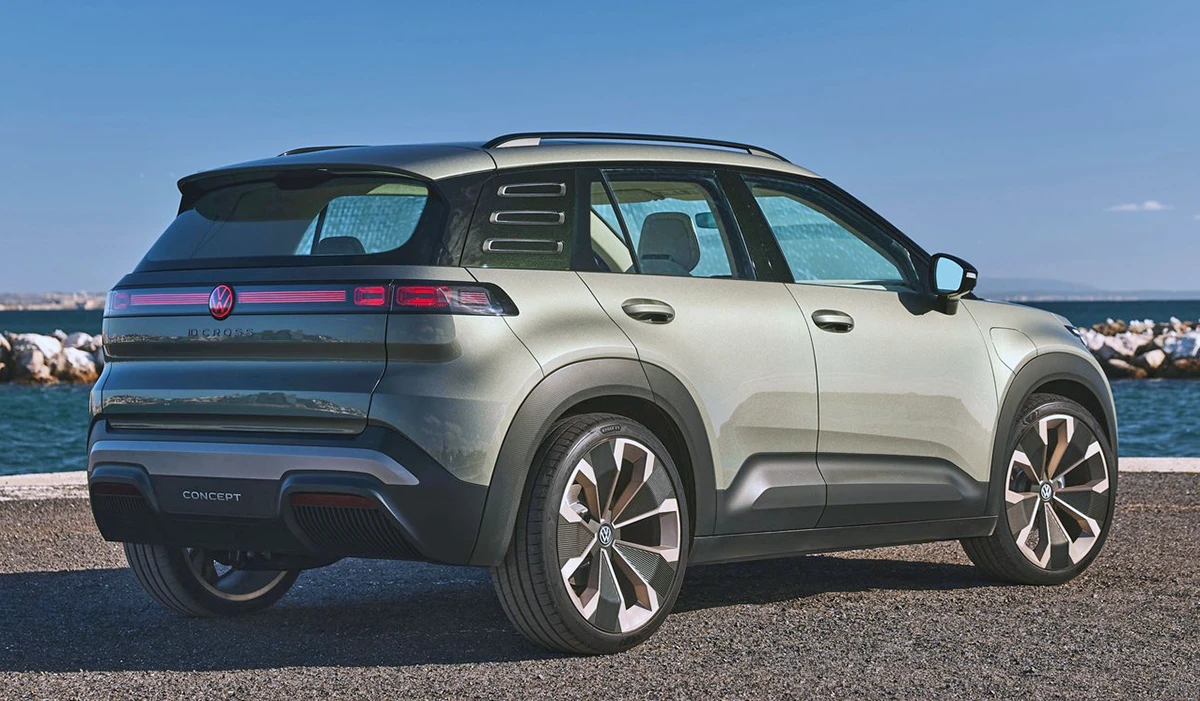

Today we are finally seeing the production version of the new VW ID.Cross EV. The small crossover Concept we saw last year.
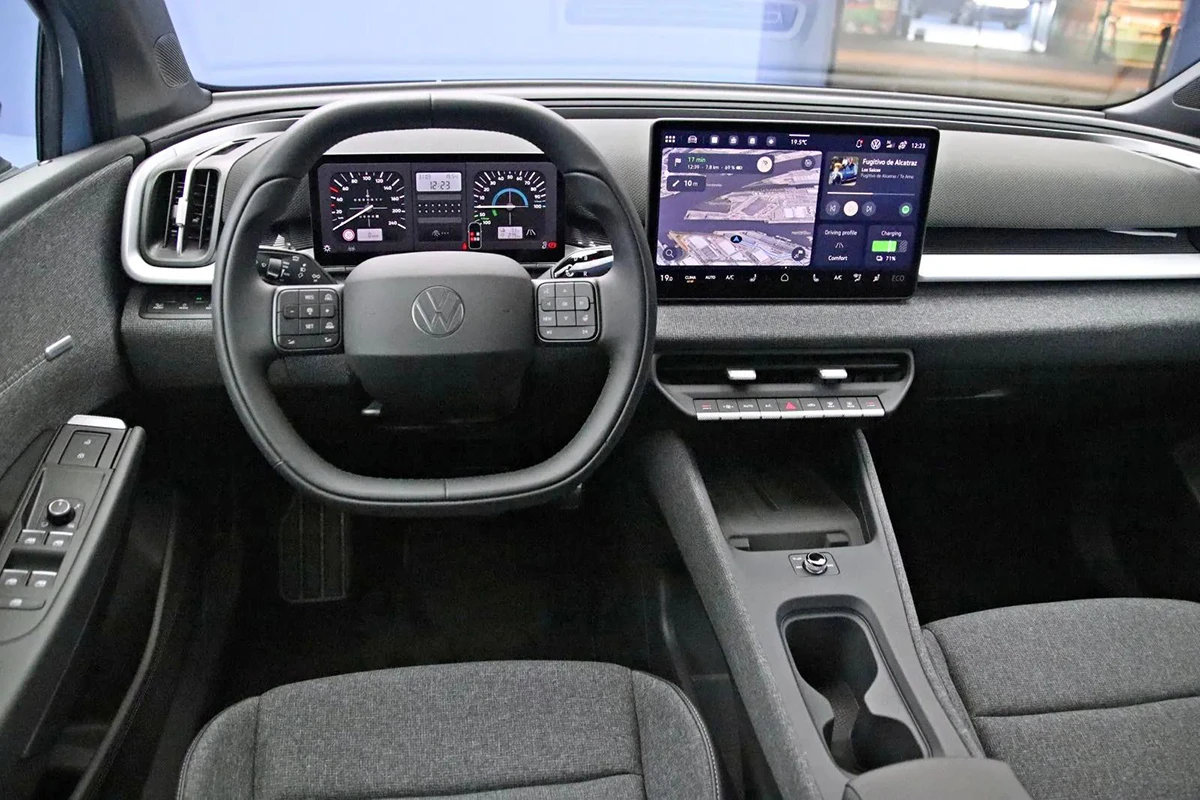
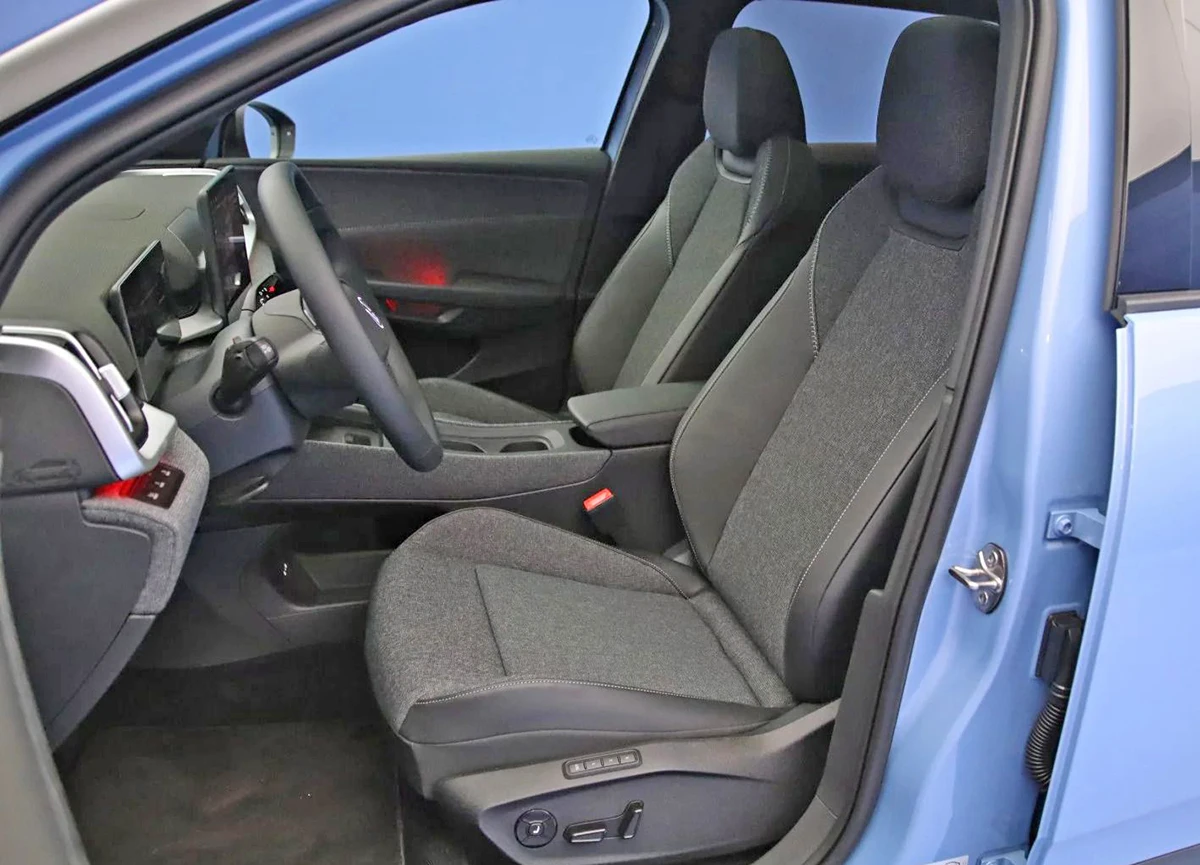
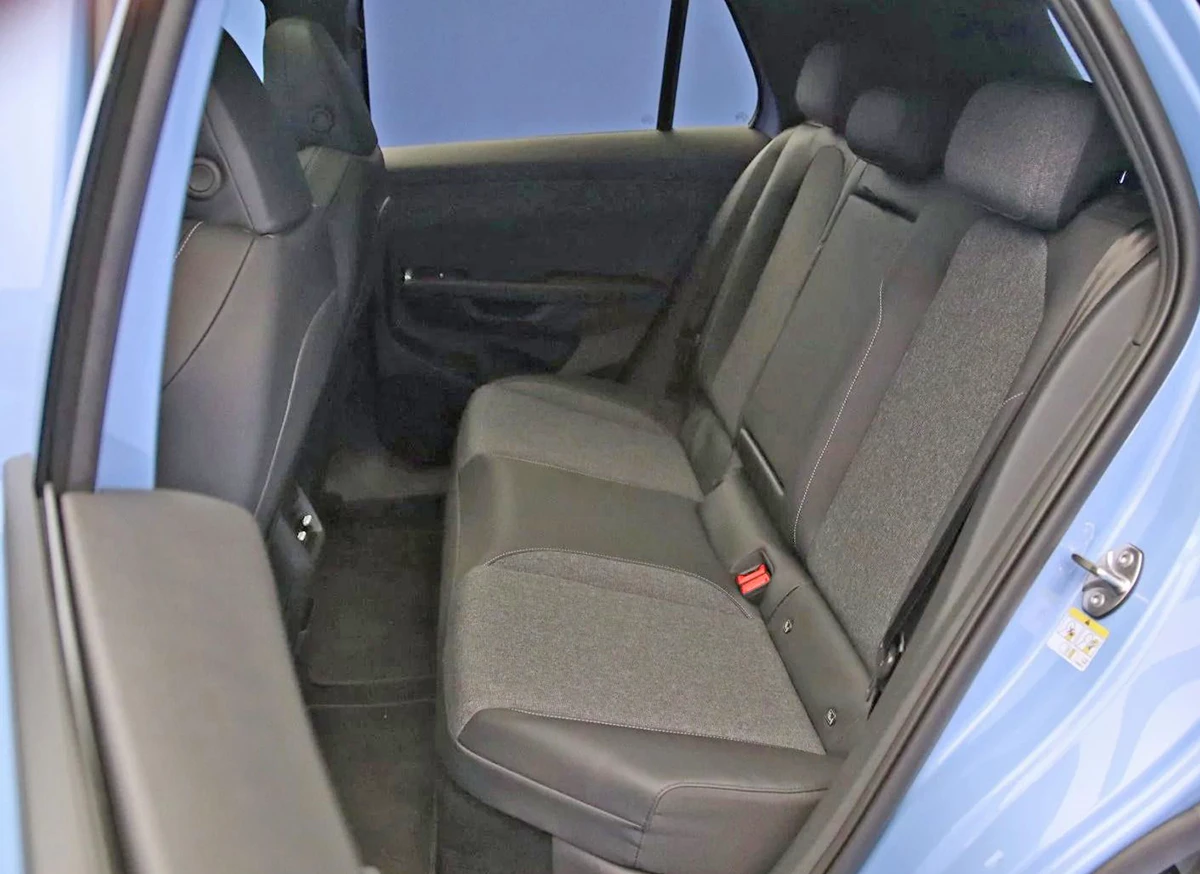
The exterior remains strikingly similar to the concept. The only differences I can see are in the lower bumpers, with the production model being a bit less aggressive. The interior is of course not as impressive as before, but still really nice. And will probably look much better in another color. The dark grey rental car like trim is probably not the best attractive choice.
No matter what, I think this might still be one of the best Volkswagen designs in years, aside from the ID. Buzz. The ID. Cross has exactly the kind of friendly and attractive styling the VW brand desperately needs. It looks modern without being polarizing, compact without feeling too cheap, and stylish without trying too hard. This is the kind of small, affordable EV that could really appeal to a broad audience.
The new ID. Cross is quite small, almost a foot shorter than the VW Taos sold in North America. It’s even shorter than a Nissan Kicks and a couple of inches shorter than a Volvo EX30. This makes it one of the most compact electric crossovers in its segment. The ID. Cross is also one of four new small and affordable EVs Volkswagen plans to introduce globally by 2027. Unfortunately, most of these models are not expected to be available in the United States, which is disappointing for American buyers looking for budget-friendly electric options.
In Europe, the new ID Cross will be available in 3 tris. With a 37kWh or 52kWh battery. With a European base price of around $32,000. Which is of course bellow the ID.4.
There is still no official word on U.S. or broader North American availability. It would be a real shame if Volkswagen decides not to bring it here. The brand has a long history of keeping some of its most appealing models overseas. On top of that, newly added tariffs on European products could further complicate pricing and profitability, making a U.S. launch even less likely.
If sold here, the ID. Cross would slot below the ID.4, which currently starts at above $40,000 in the U.S. market. That price is simply not competitive anymore. Buyers can now find models like the Hyundai Ioniq 5 or Toyota bZ offerings for much less. Volkswagen’s pricing strategy often seems out of sync with market realities. The $62,000 ID. Buzz (to start) is a recent example of that complete disconnect.
But what do I know?