
New Feelander concept previews a new brand for 2026.


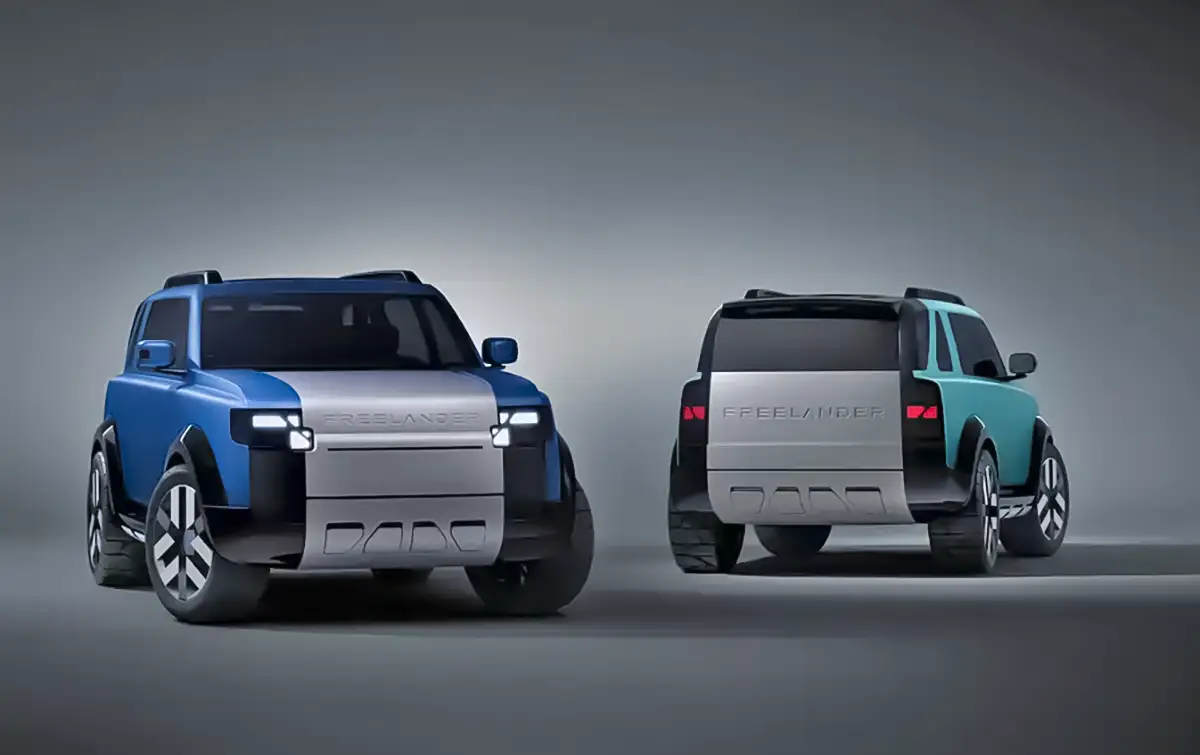
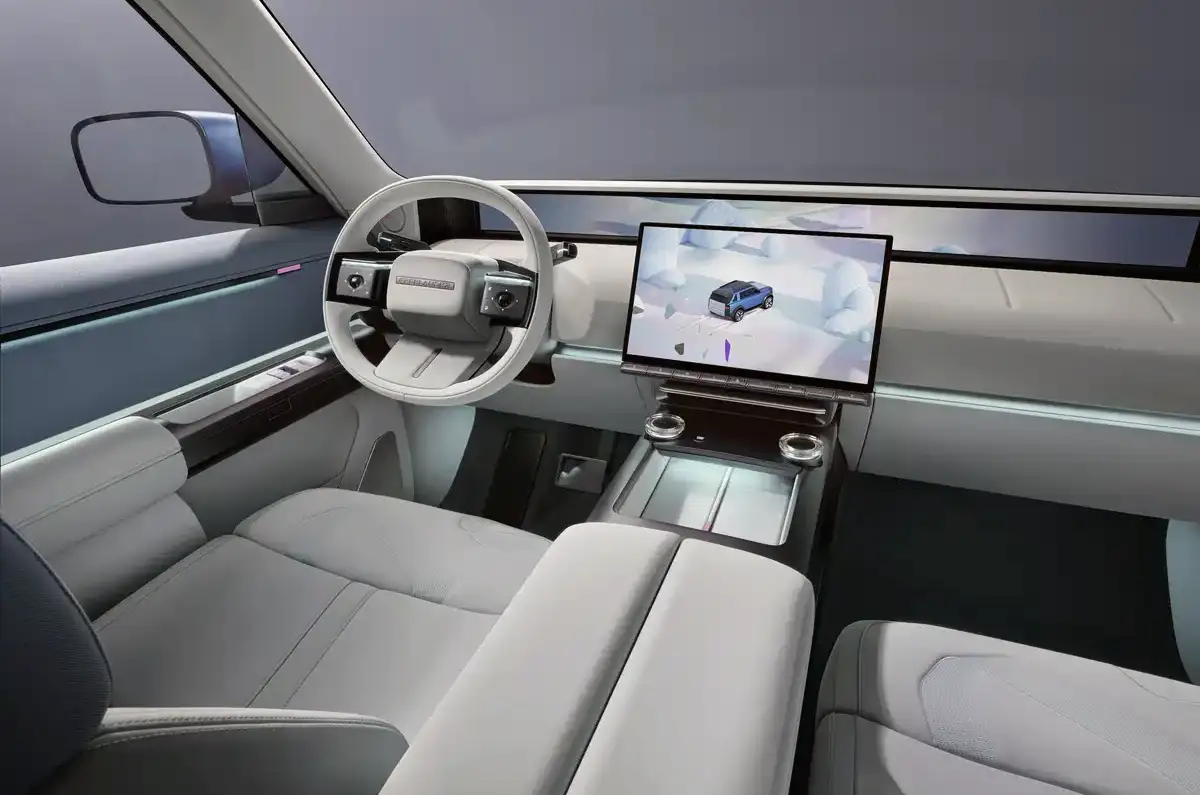
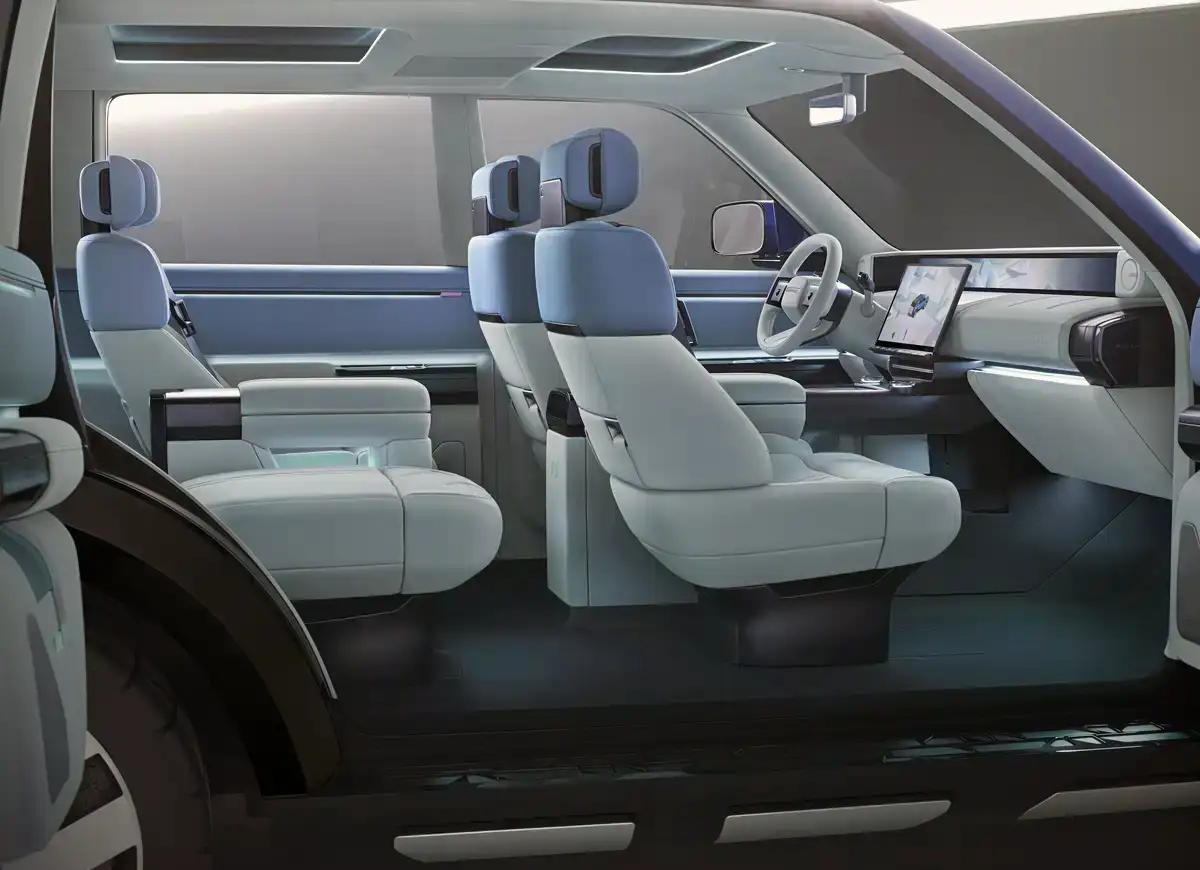
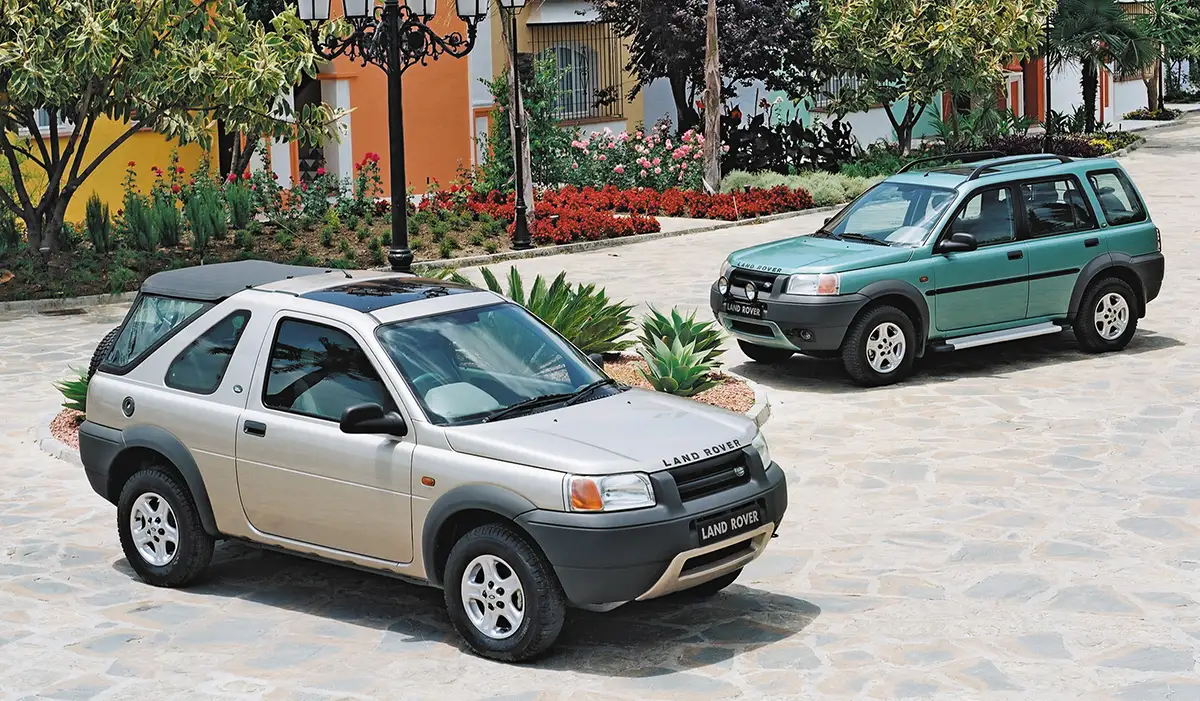
There will soon be a new brand of SUVs called “Freelander,” reviving a familiar name from the late 1990s Land Rover Freelander. This new brand is the brainchild of Chinese automaker Chery and JLR (Jaguar/ Land Rover).
To me, this is a very strange idea. Creating an entirely new SUV brand when Land Rover and Range Rover already seem to cover most of the SUV market. The new brand is scheduled to add six vehicles before 2030. Powered by hybrid, range-extended EV (REV), plug-in hybrid (PHEV), or fully electric powertrains. All of them will be based on a new platform. Even more surprising, there will reportedly be a new model introduced every six months. With production beginning at the end of this year. That’s an extremely aggressive rollout strategy.
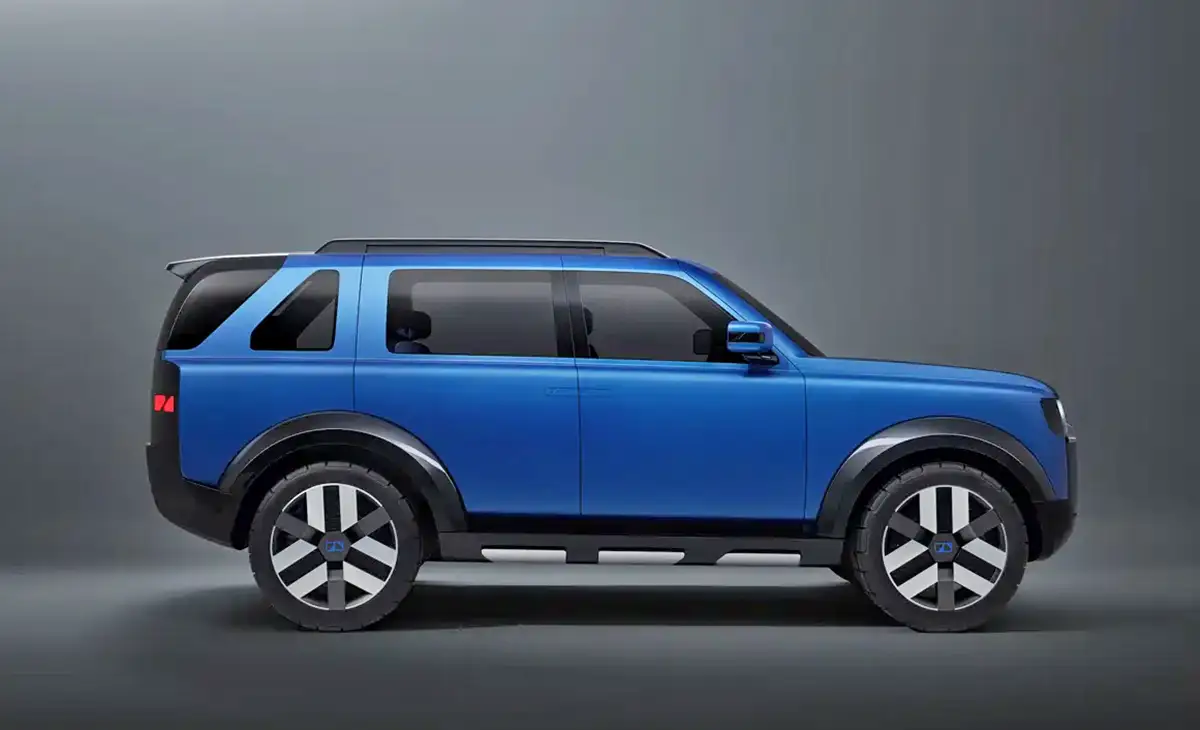
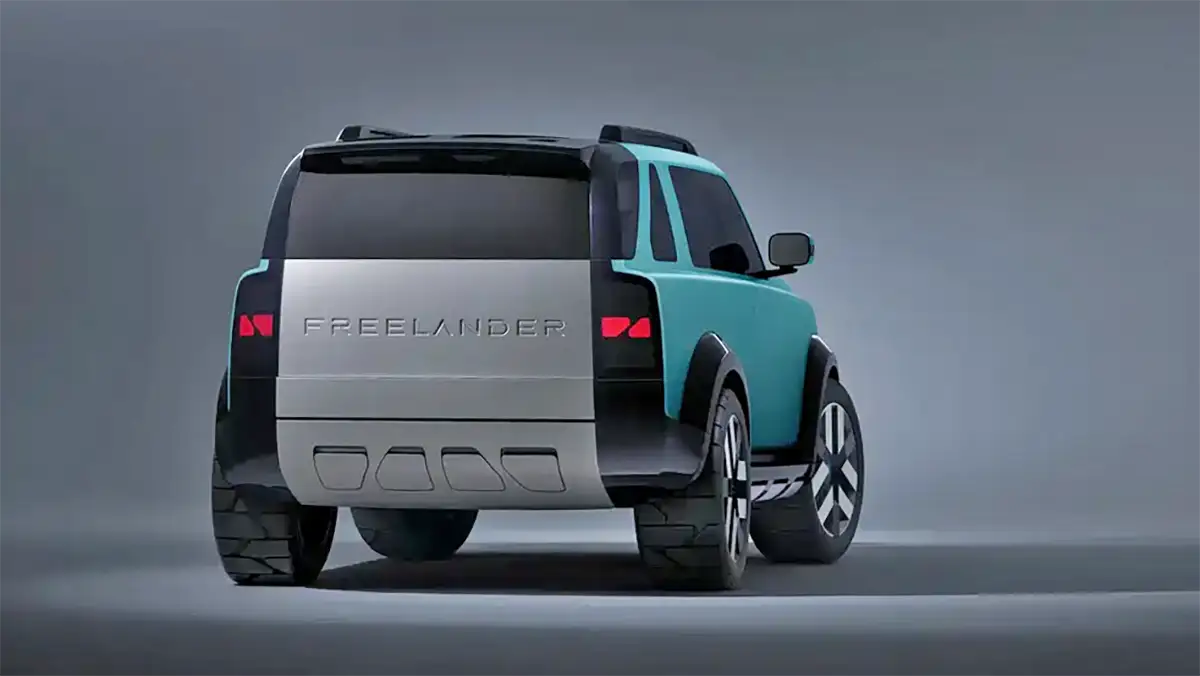
The concept shown above is called the Concept 97 and was designed collaboratively in England and China under Gerry McGovern. Other companies like Huawei, CATL, and Qualcomm are also heavily involved in the development of the new brand. Especially in terms of software, batteries, and connectivity features.
The new concept is much larger than the original Land Rover Freelander, which was a compact off-roader at around 172 inches long. This new version is almost 30 inches longer. Putting it roughly in the same size category as a Honda Pilot. I assume smaller and larger models will follow to fill out the lineup and target different market segments.
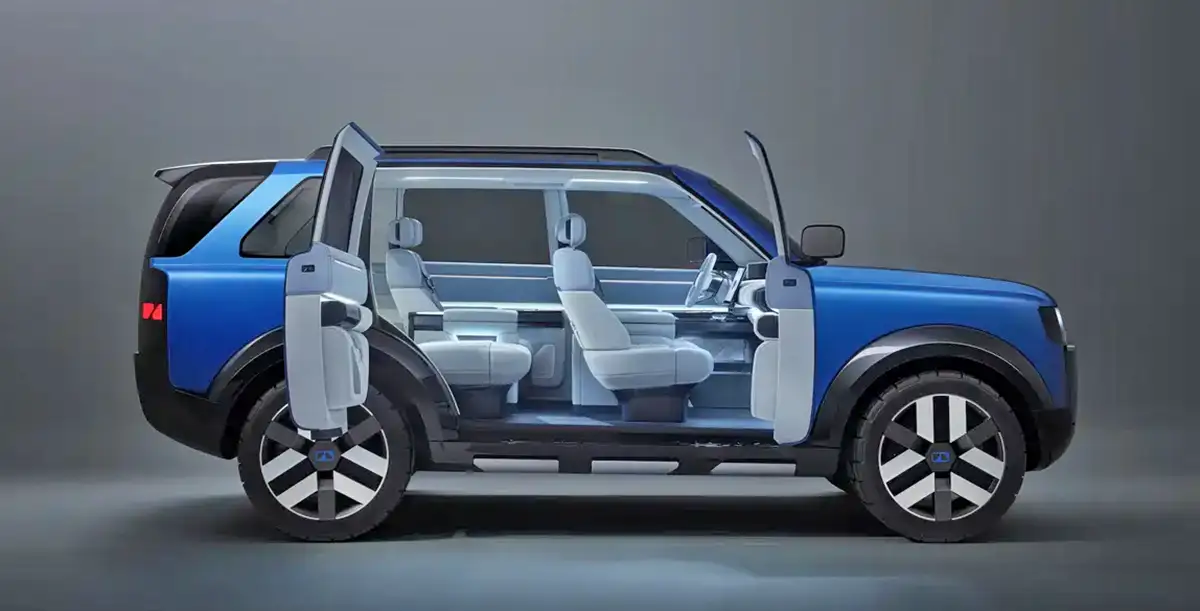
While the concept appears large enough to accommodate three rows of seating, the interior design doesn’t feel very original. It resembles many other Chinese EV SUVs currently on the market, especially with the now-common floating center screen inspired by Tesla. It feels like few manufacturers are truly trying to innovate in interior design anymore, instead following trends that prioritize minimalism over uniqueness or usability.
The brand is already talking about a “global launch,” although it will likely exclude the United States. However, these vehicles could make their way to Canada, which would be an interesting development for that market. It may also gain traction in Europe and other regions where electrified SUVs are growing rapidly.
I’m still not sure how these six new models will be positioned. Will they slot below traditional Land Rover models as a more affordable alternative, or will they compete directly with them? Even if the brand claims independence from JLR, the connection is clearly still there, both in design leadership and strategic direction.
Overall, this could turn out to be quite interesting. The concept itself is stylish and even somewhat retro, incorporating a few strong design cues from the original Freelander while adapting them to a more modern, electrified SUV format.