
2027 Volkswagen ID.Cross: First official photo


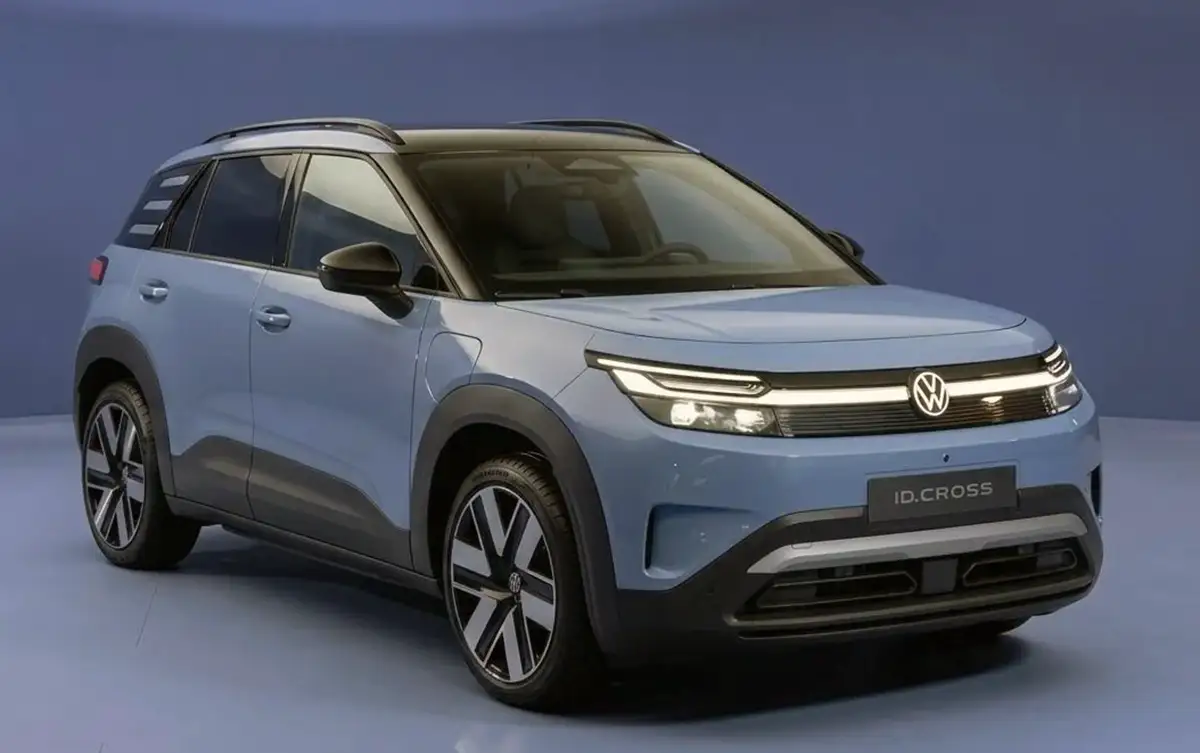
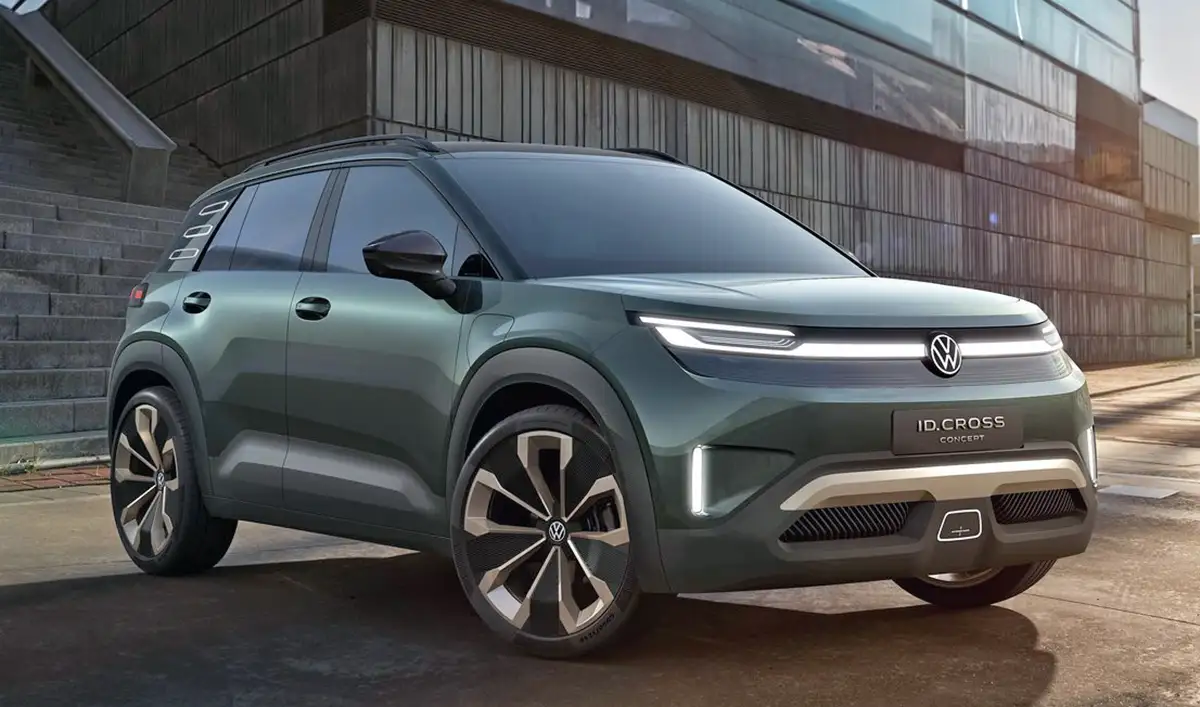
Today we have the first real photo of the production version of the VW ID. Cross. And so far, as you can see from the new image, it looks almost exactly like the concept we saw a few months ago. That “concept” was actually a thinly veiled preview of the real thing, which is always encouraging to see. Volkswagen clearly stayed very close to its original design vision. However, the whole thing looks a feels a bit less dynamic.
While the exterior remains strikingly similar to the concept, from what we’ve seen a few weeks ago, the interior will be less exciting than the concept. For some reason, the door panels no longer feature the same distinctive design. The armrests and center console will be quite different, and the seats now look like the ones used in other VW models. The concept interior was impressive, although not overly futuristic to begin with. It felt modern, clean, and fresh without going over the top. It’s hard not to wonder why these changes were made. Well, we all actually know why. Cost-cutting. Saving money seems to be the priority at Volkswagen these days, especially as the brand works to improve profitability during its EV transition.
That said, this might still be one of the best Volkswagen designs in years, aside from the ID. Buzz. The ID. Cross has exactly the kind of friendly, approachable, and attractive styling the VW brand desperately needs. It looks modern without being polarizing, compact without feeling cheap, and stylish without trying too hard. This is the kind of small, affordable EV that could genuinely appeal to a broad audience.
In keeping with Volkswagen’s new strategy of using familiar names for its electric vehicles, the company has decided to call this model the ID. Cross. That’s a very smart move for the European market, where the T-Cross has been extremely popular over the past few years. Positioned as a small SUV below the T-Roc, the ID. Cross name immediately communicates size and purpose to buyers.
The new ID. Cross is quite small, almost a foot shorter than the VW Taos sold in North America. It’s even shorter than a Nissan Kicks and a couple of inches shorter than a Volvo EX30. This makes it one of the most compact electric crossovers in its segment. The ID. Cross is also one of four new small and affordable EVs Volkswagen plans to introduce globally by 2027. Unfortunately, most of these models are not expected to be available in the United States, which is disappointing for American buyers looking for budget-friendly electric options.
There is still no official word on U.S. or broader North American availability. It would be a real shame if Volkswagen decides not to bring it here. The brand has a long history of keeping some of its most appealing models overseas. On top of that, newly added tariffs on European products could further complicate pricing and profitability, making a U.S. launch even less likely.
If it does arrive in North America, its main competition would likely include the new Kia EV3 and Nissan Leaf. The small electric SUV segment is about to become much more competitive.
The ID. Cross is expected to launch in Europe very soon. However, we still have no confirmation regarding U.S. availability. The uncertainty surrounding tariffs and shifting EV incentives could impact Volkswagen’s decision before the model even reaches production for this market.
If sold here, the ID. Cross would slot below the ID.4, which currently starts at around $45,000 in the U.S. market. That price is simply not competitive anymore. Buyers can now find models like the Hyundai Ioniq 5 or Toyota bZ offerings for $10,000 less. Volkswagen’s pricing strategy often seems out of sync with market realities. The $62,000 ID. Buzz is a recent example of that complete disconnect.
Realistically, the ID.4 should start closer to $35,000 in today’s market. And if Volkswagen truly wants the ID. Cross to succeed, it would need to land around $30,000 to make a real impact. Affordability will determine whether this promising small electric SUV becomes a hit or just another missed opportunity. This whole thing smells like another big VW mistake in the US market.
But what do I know?