
2028 Alfa Giulia looking great in new renders.


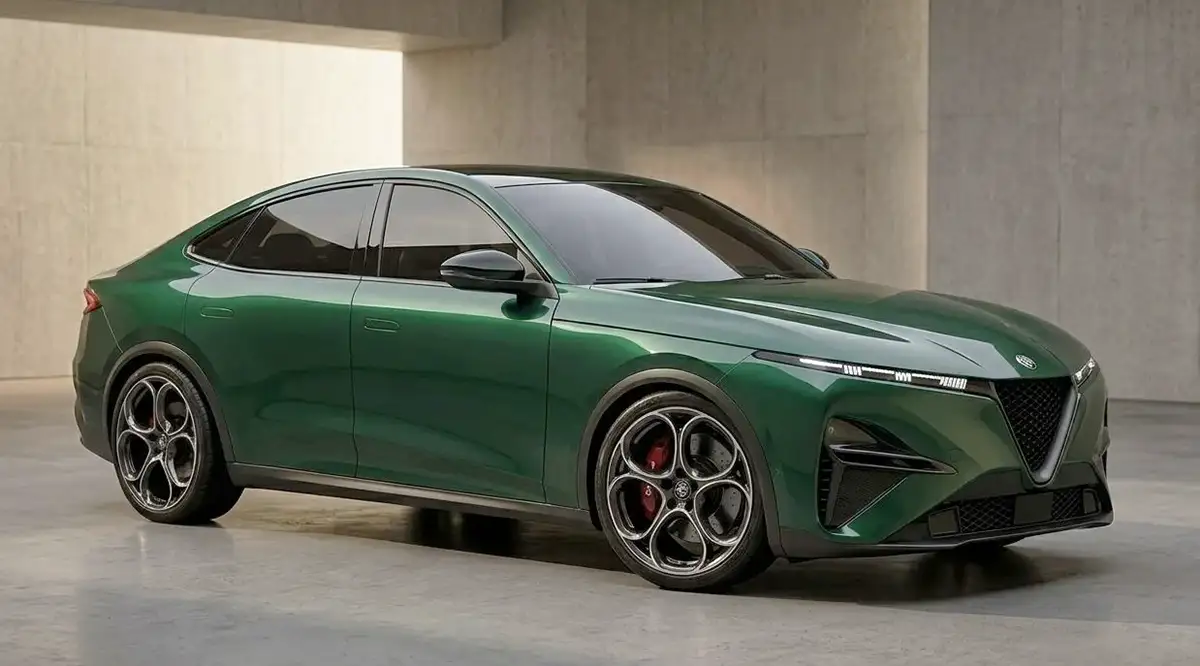
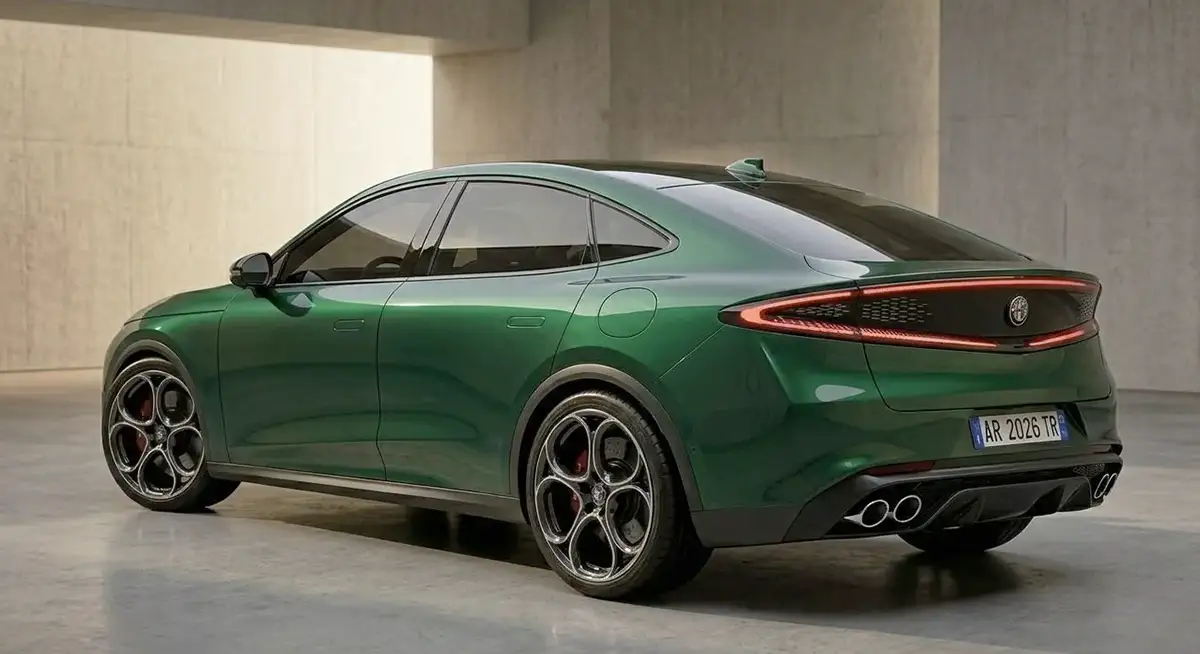
We have been hearing about a next-generation Alfa-Romeo Giulia (as well as the Alfa Romeo Stelvio) for quite a while now. We’ve even seen many prototypes of the next-generation Stelvio driving around in various stages of disguise. Hinting that development was already quite advanced. Today we have a couple of new illustrations. And these look very realistic, and are quite good looking. A new Giulia looking like this would be quite a step forward for Alfa-Romeo.
As usual these days, car makers are getting cold feet and are stepping away from their “all EV” plans. Or at least softening their timelines. This is exactly what is happening at Stellantis. The new Alfas were both scheduled and engineered to be EV-only models from the start, riding on the flexible STLA platform. Now, however, the company is making sure the next generation will also be available with ICE or hybrid powertrains. Acknowledging that global demand for EVs is still inconsistent depending on region and infrastructure.
Exactly what Dodge is doing with the new Dodge Charger, although that might have been the plan all along for the muscle car. This dual strategy seems to be quickly becoming the industry standard.
The official word about Alfa Romeo is now: “We had to make a product development decision because we were focused on electric vehicles. Now, having to rework the engines, we need a little more time to meet our customers’ needs. So we’re also looking at other types of powertrains for our future cars.” And that means “multi-energy.” They are not giving up on the EV versions. But these cars will have to be offered with other powertrains as well to remain competitive globally.
As mentioned before, it seems the STLA platform is pretty good at offering different powertrains. However, adapting a platform initially optimized for EVs to also accommodate ICE and hybrid systems is not trivial and can lead to packaging compromises. Added weight, and engineering delays. The “multi-energy” switch might also explain the Jeep Recon delay, suggesting a broader strategic adjustment across multiple Stellantis brands.
The current Stelvio and Giulia will now remain in production until 2027, instead of being replaced next year. That is a significant extension for models that are already facing strong competition from newer rivals with more advanced tech, interiors, and electrification options.
While Alfa Romeo sales have been up by 20% this year globally, this is mostly due to the all-new Alfa Romeo Junior compact crossover. However, that model is currently on sale in Europe but not in the U.S., where the brand’s situation is becoming increasingly fragile. Sales are dropping fast every year in the U.S., reflecting both an aging lineup and limited product variety.
With just 12,843 units sold in 2022, fewer than 11,000 in 2023, and about 8,900 in 2024, the downward trend is clear. It will be even less this year, raising concerns among dealers and enthusiasts alike. Without a new entry-level model or a timely refresh, Alfa Romeo risks losing even more visibility in one of the world’s most competitive markets.
Alfa might not be able to wait another two years for something new in the U.S. market. Unless Stellantis accelerates product plans or brings models like the Junior stateside, the brand could face an uphill battle maintaining relevance until the next-generation Giulia and Stelvio finally arrive.