
The 2027 Subaru Getaway is a more powerful Toyota.


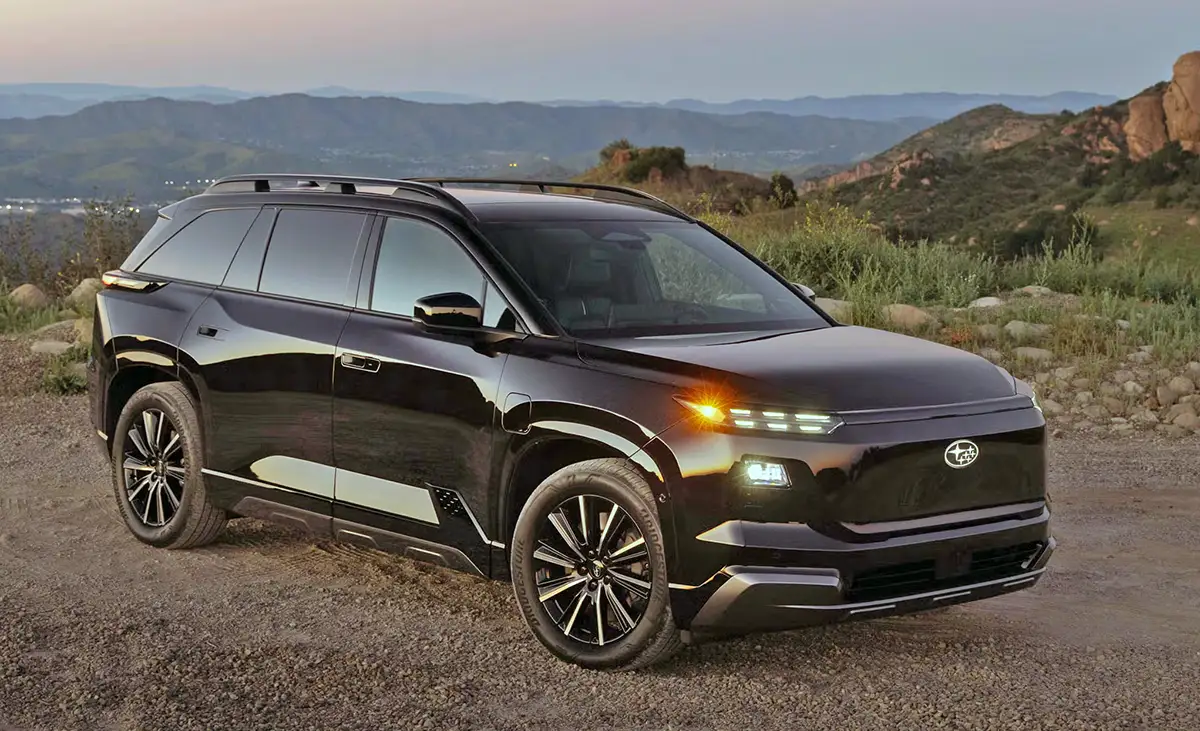
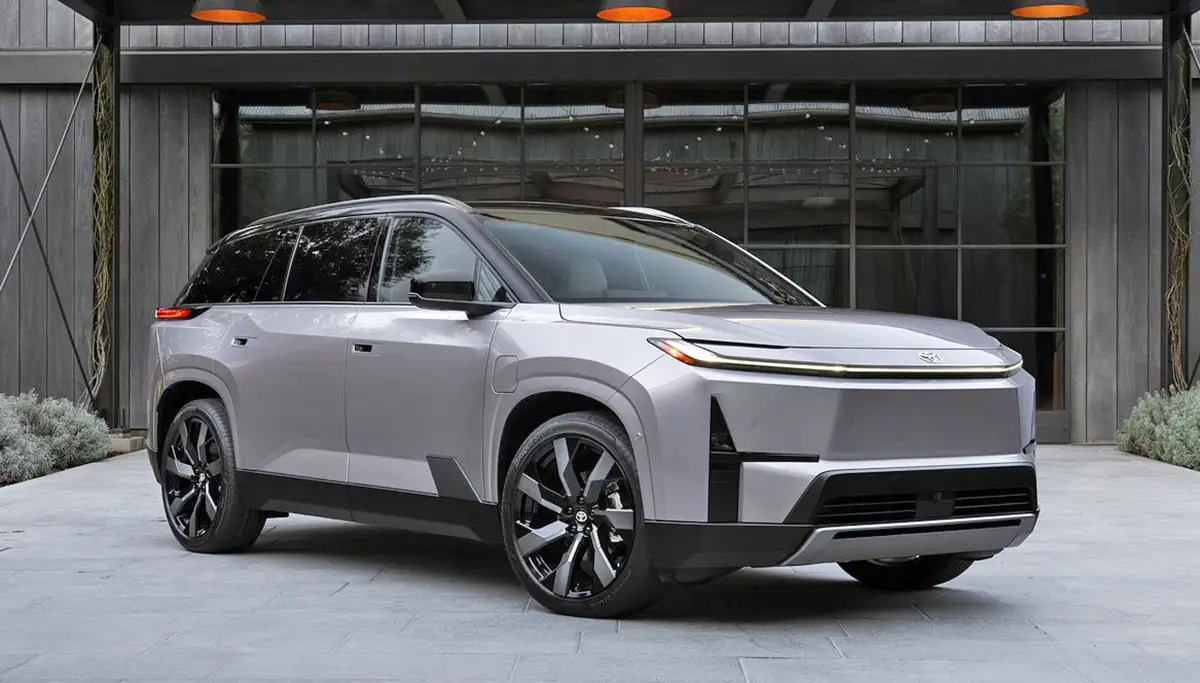
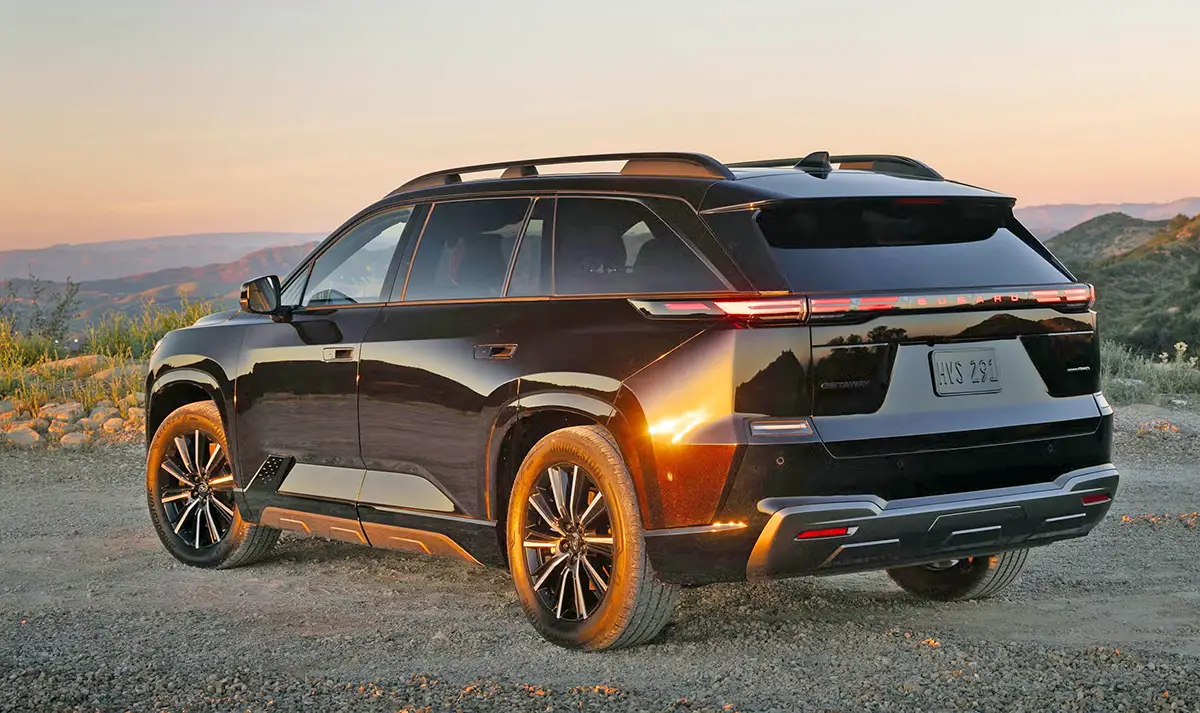
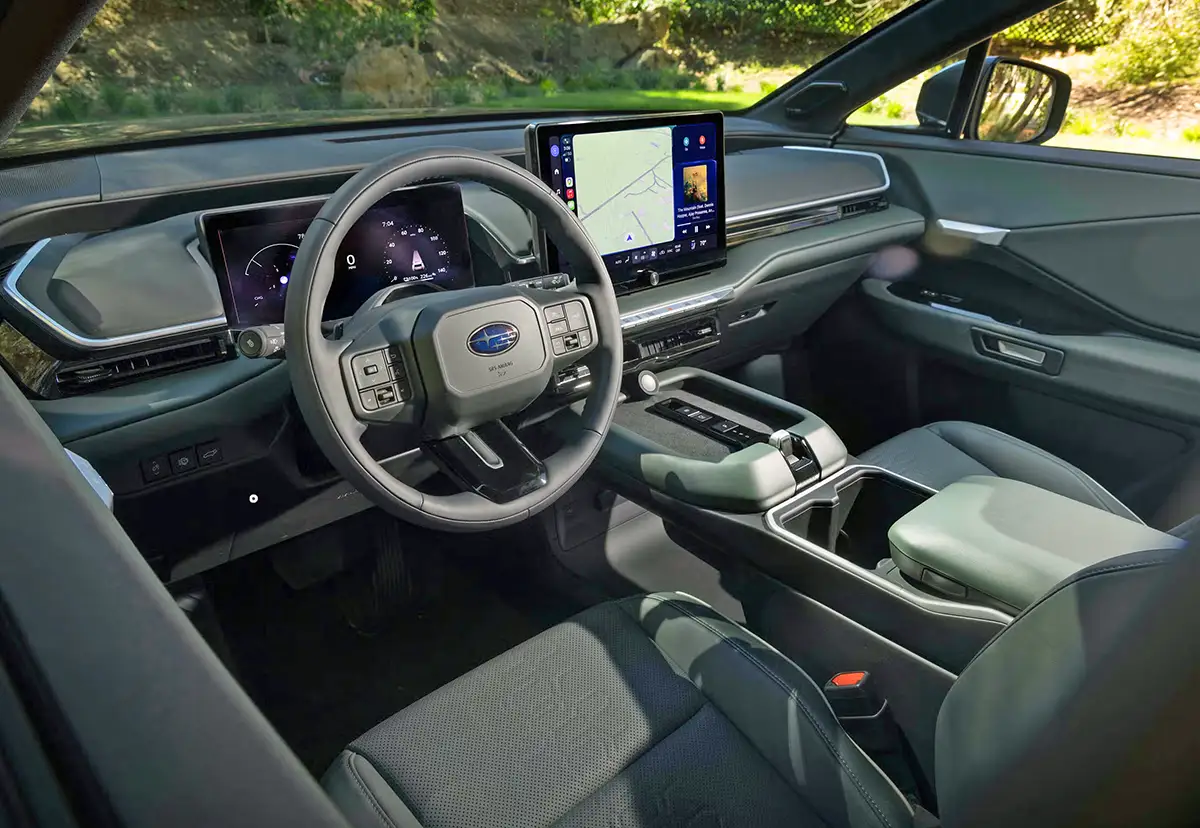
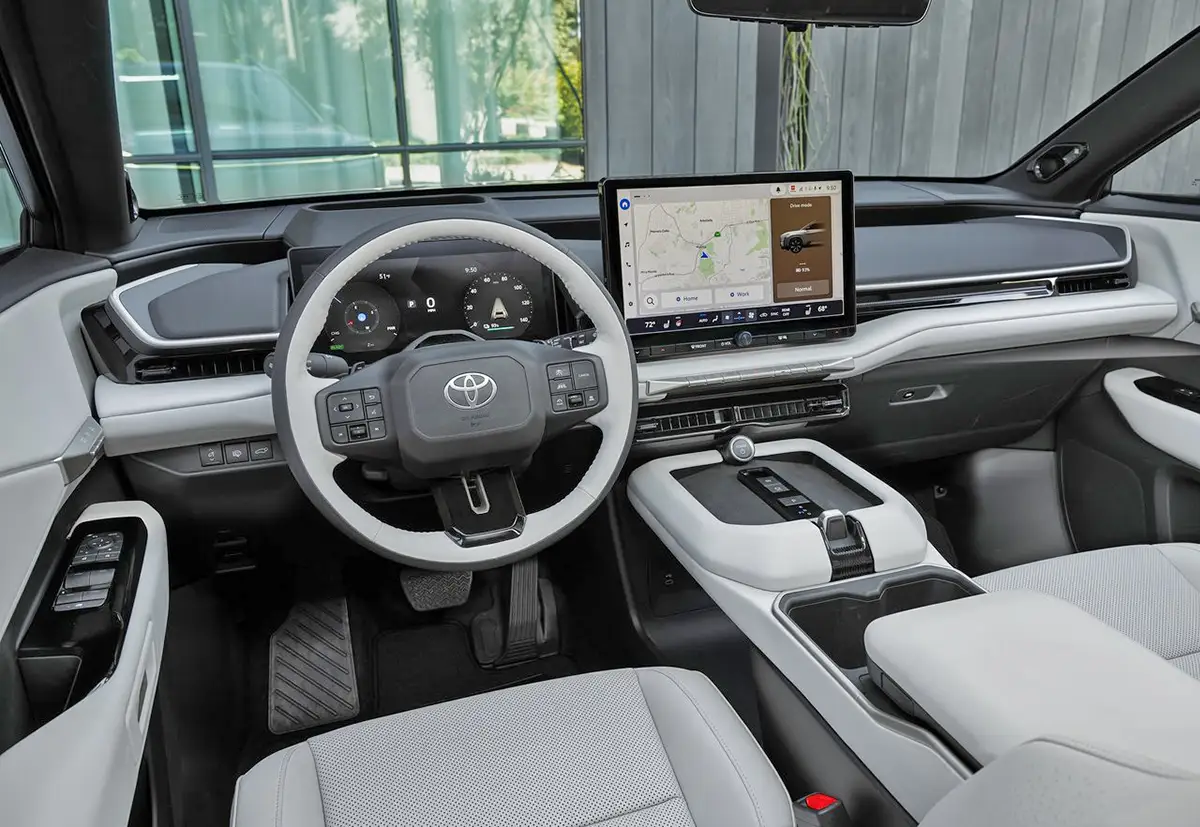
Every new EV from Toyota now seems to get a Subaru counterpart. It’s probably the most cost-effective way for Subaru to quickly build out a full electric lineup. The whole thing feels very reminiscent of General Motors back in the ’70s and ’80s, when a new front end was all it took to turn a Chevrolet into an Oldsmobile, Buick, or Pontiac.
I was wrong about the name. I thought this new Subaru SUV would replace the Subaru Ascent, much like the Toyota Highlander EV is expected to replace the current Highlander. But Subaru decided to keep the Ascent around, at least for now. A next-generation version might already be on the way.
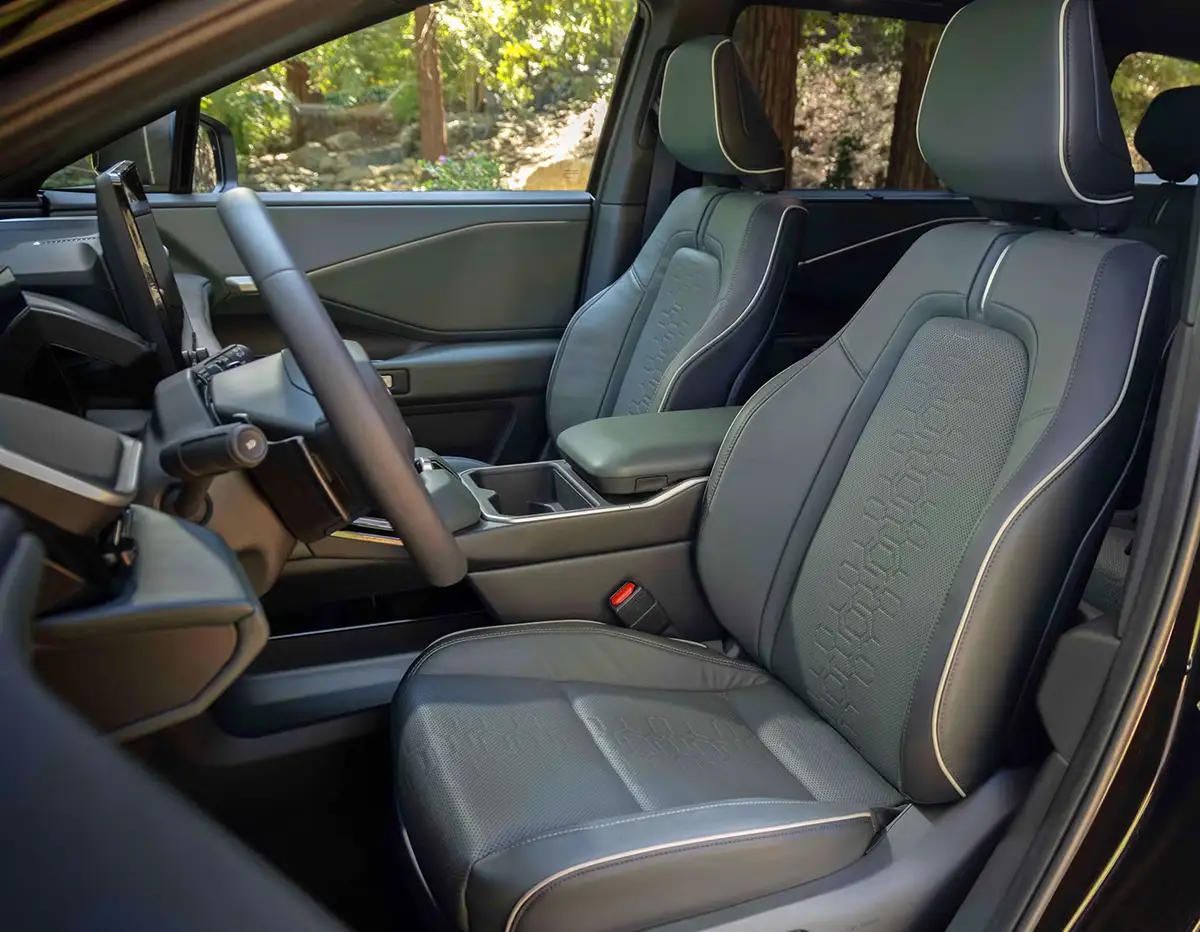
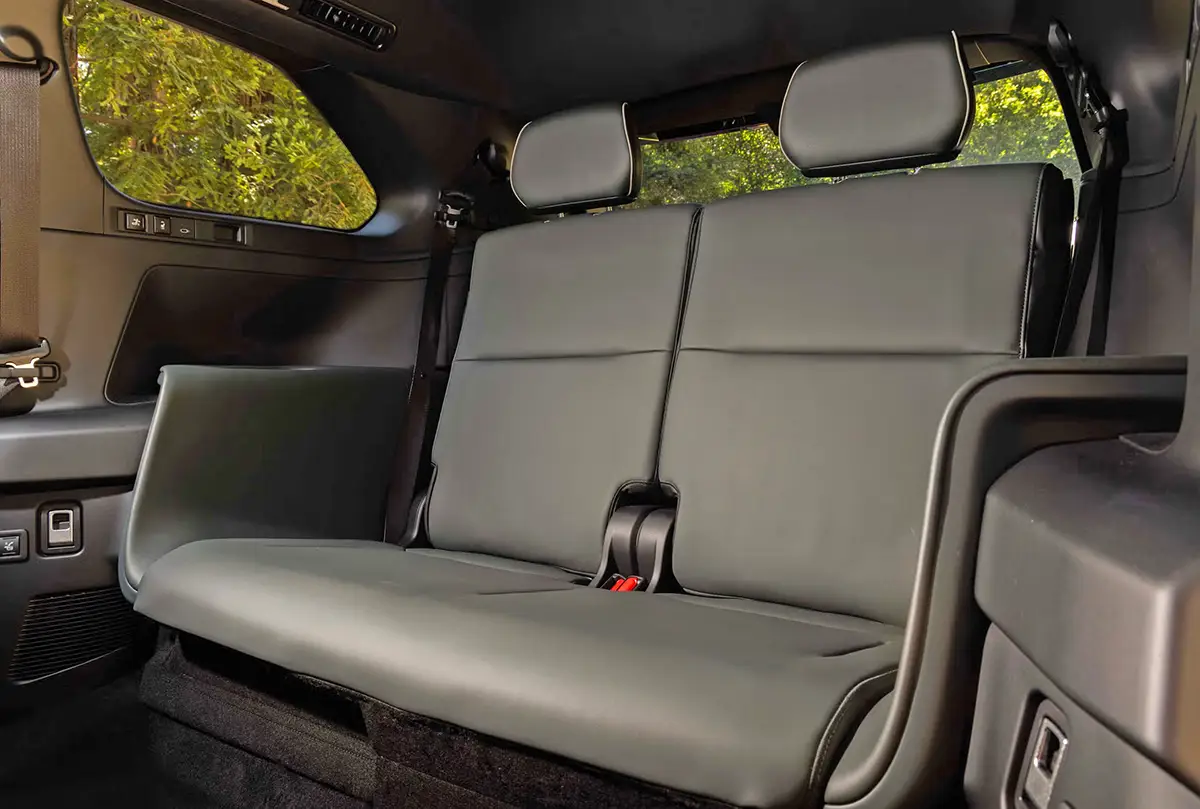
Subaru has just unveiled its all-new, larger three-row electric SUV. And it’s basically their version of the new Highlander EV. Of course, it gets a redesigned front end, but beyond that, it’s essentially the same vehicle, especially inside. Even the weirdo-looking third-row seat setup appears unchanged.
The Subaru version does bring a bit more power to the table, though, with around 420 horsepower and standard Symmetrical All-Wheel Drive. Despite that, it still manages over 300 miles of range, which is quite good for a large three-row EV. Still, it doesn’t quite match the estimated 335 miles from the Hyundai Ioniq 9 with its larger battery.
We’ve already seen this strategy with the Toyota bZ4X and Subaru Solterra, as well as the Toyota C-HR EV and Subaru’s oddly named “Uncharted”, still one of the worst car names in recent memory. The same pattern continues with the Toyota bZ Woodland and Subaru Trailseeker. If anything, the partnership between the two brands is speeding up, not slowing down.
One upside of all these rebadged models is that Subaru likely didn’t have full control over the design. That means much more attractive SUVs overall, without the ghastly heavy black cladding Subaru has been adding to just about everything lately.
Toyota is already signaling strong expectations for the electric Highlander, and on paper, it has the potential to sell in serious numbers. Possibly matching or even exceeding current figures.
Pricing will be key. While nothing is official yet, early signs suggest it could be competitive. For reference, the Trailseeker starts at around $40,000 with standard AWD, while the closely related bZ Woodland comes in about $5,000 higher.
That gap gives Subaru an opportunity to position this new three-row EV aggressively. Possibly undercutting the Highlander EV or landing somewhere near $45,000, depending on the trim.
That would place it well below current three-row EV rivals like the Kia EV9, which starts around $55,000 with roughly 230 miles of range. And the Hyundai Ioniq 9, expected to be closer to $59,000.
Those are strong options, but not exactly affordable for many families who typically shop in the Highlander or Ascent segment.
If Subaru can deliver a spacious, powerful three-row electric SUV with standard AWD for under $50,000, it could hit a real sweet spot in the market. Subaru buyers tend to value practicality, safety, and all-weather capability over flashy features. And an EV that delivers on those priorities at the right price could resonate strongly.
In a segment that’s still surprisingly underserved below the $50,000 mark, that kind of positioning could make all the difference.