
Next-Gen Chevrolet Tahoe: What It Could Look Like in 2028.


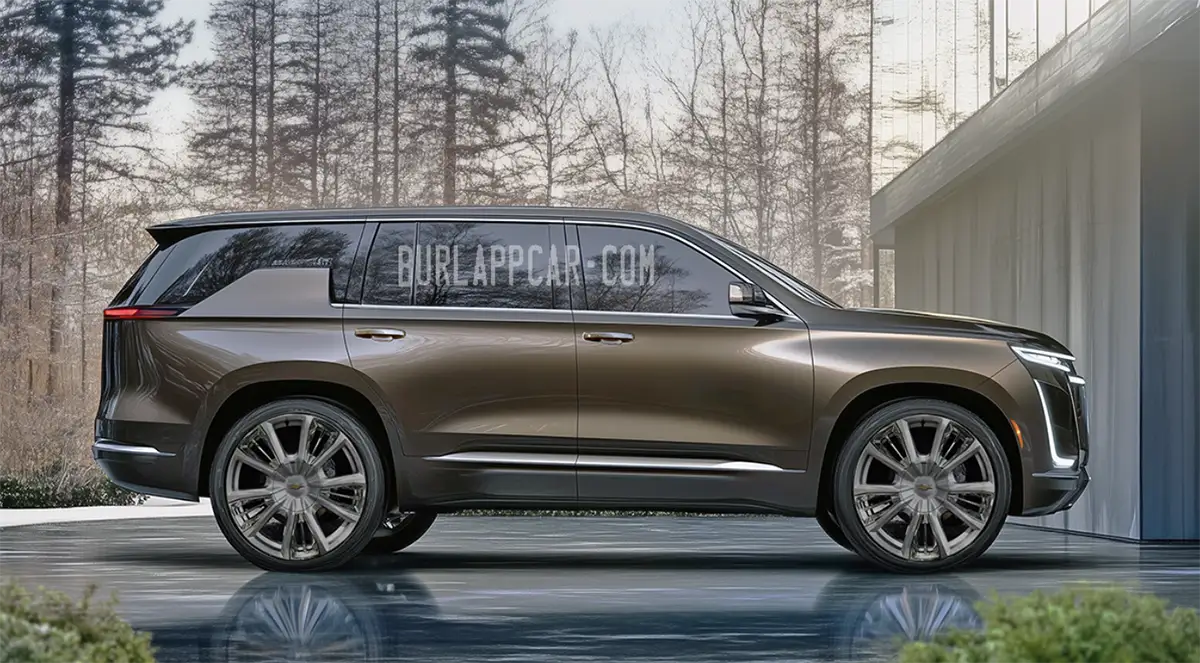
The current Chevrolet Tahoe generation came out in 2020, which means it has already been around for 6 years. And while a new generation is definitely on the way, it still seems to be a few years out. That timing actually makes sense since GM rarely rushes redesigns for its highly profitable full-size SUV lineup. These models continue to dominate their segment despite increasing competition from newer EVs and hybrid family SUVs.
The Chevrolet Tahoe/Suburban twins and their counterparts from GMC and Cadillac continue to sell in massive numbers, with combined yearly sales hovering around 400,000 units. These SUVs are some of the biggest profit generators for General Motors, and because of that, the company tends to evolve them carefully instead of reinventing them. Customers clearly like the formula, and GM sees no reason to dramatically change vehicles that already print money year after year.
The biggest engineering change for the current generation was the long-overdue switch to an independent rear suspension. That single update improved ride quality (actually just slightly…) and interior packaging more than any exterior redesign ever could. Otherwise, these giant SUVs still follow the same familiar formula they have used for decades. The styling changes from generation to generation are usually subtle, while the biggest improvements almost always happen inside. Better screens, more upscale materials, quieter cabins, and more technology are what buyers actually notice. The latest interiors are pretty impressive and finally feel almost expensive enough to justify some of these rapidly climbing prices.
Apparently, the current platform is expected to remain in production until around 2028. After that, GM’s Texas factory is rumored to switch to an entirely new architecture for the 2029 model year. That sounds like a long lifecycle, but full-size truck-based SUVs tend to stay around much longer than passenger cars because demand remains incredibly strong. Fleet buyers, large families, and towing customers continue to buy these vehicles in huge numbers regardless of economic trends. However, current crazy gas prices combined with 12MPG around town might put a damper on things. At least for a while.
The next-generation models are also expected to keep internal combustion engines, with a new V8 due next year. However, by 2030 it would be surprising if GM didn’t introduce some type of hybrid system across the lineup. A giant gas-only SUV may still have buyers, but it could start feeling increasingly outdated in a world where efficiency standards and fuel prices continue to tighten. Even loyal customers are starting to expect some electrification, especially in vehicles that can easily weigh over 6,000 pounds.
Like all truck-based SUVs, the original early-1990s Tahoe was basically a pickup truck with an enclosed cargo area. Over time, GM has worked harder to visually separate these expensive SUVs from their pickup counterparts. This is especially true with the Cadillac Escalade, which now receives far more unique sheet metal, lighting, and interior design than before. GM clearly wants buyers to feel like they are getting something more exclusive than just a dressed-up Tahoe. That strategy has worked extremely well for Cadillac, especially as Escalade prices continue moving deeper into luxury territory.
Having driven several generations of these SUVs, they honestly never feel dramatically different from one another. Each redesign just slightly improves refinement, ride comfort, and technology. But the overall driving experience remains almost the exact same. Fuel economy also barely seems to move forward. It always ends up around 12/13 mpg city and 20 mpg highway if you are lucky. Around town, real-world numbers can easily dip below that.
The available diesel engine, however, completely changes the experience. GM’s inline-six diesel has been one of the best things to happen to these SUVs in years. It delivers much better range, noticeably improved efficiency, and effortless torque that perfectly suits vehicles this large. In many ways, it feels like the powertrain these trucks should have had all along. Long highway trips especially become far more relaxed thanks to the diesel’s quieter cruising nature and impressive fuel range.
Still, this is 2026, and there are many better long-term solutions for improving efficiency than relying on diesel fuel alone. Hybrid systems seem inevitable, especially as competitors move further in that direction.