
GM’s Secret Cadillac Seville Concepts Were Almost Decades Ahead of Their Time.


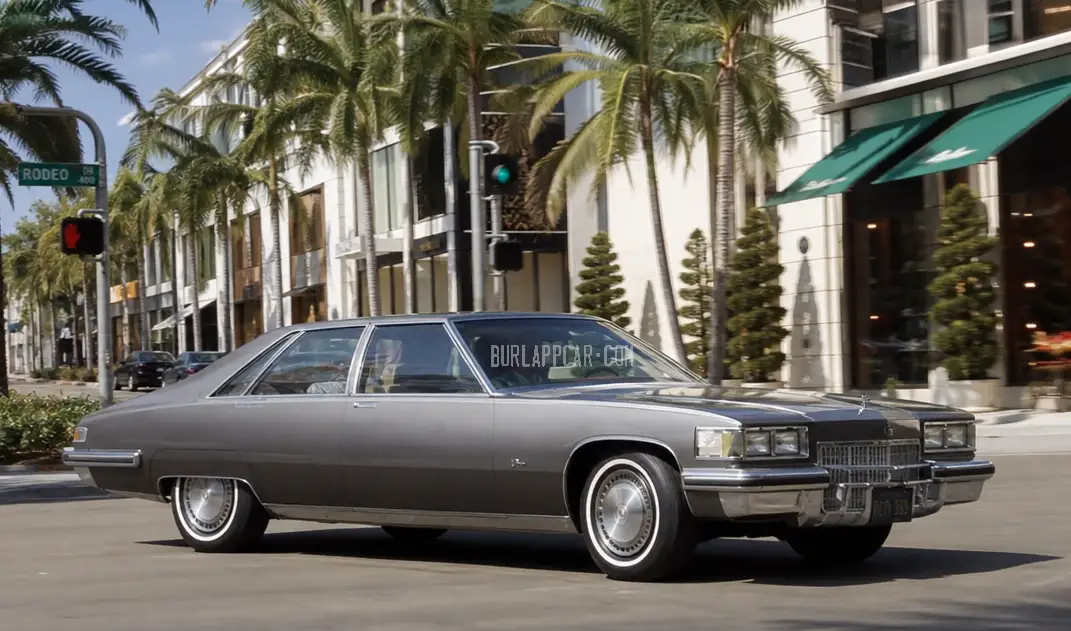
The original Cadillac Seville was quite a breakthrough for Cadillac when it first arrived in 1975. General Motors had already been exploring several ideas for a smaller Cadillac for years, and the prototypes we see here in new images were among the main proposals under consideration. At the time, luxury buyers were starting to look for something more manageable and efficient than the giant American sedans of the late 1960s. Especially after growing fuel economy concerns and changing customer tastes. Cadillac really needed something to go against Mercedes.
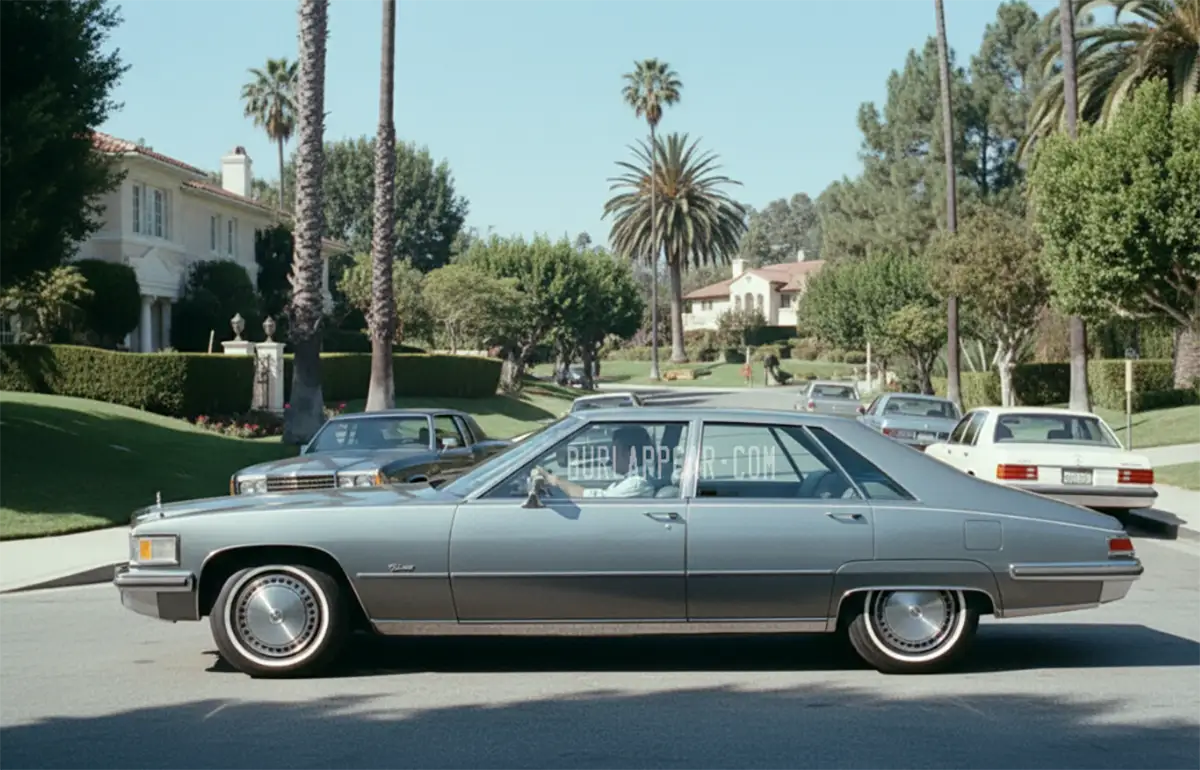
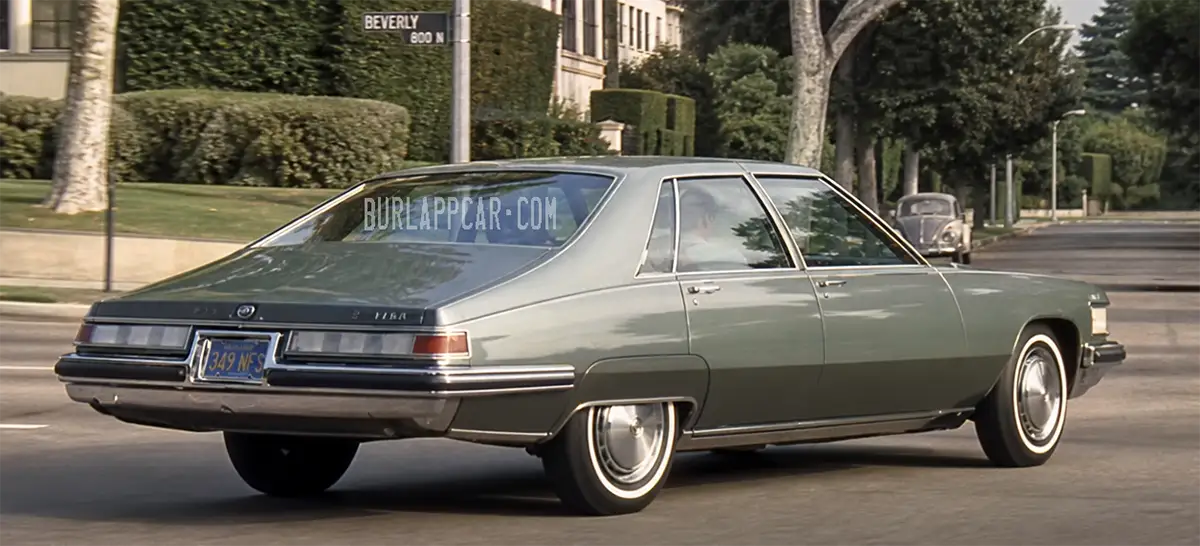
The first concept/prototype was created in 1972, three years before the production Seville debuted. It was called the La Salle, and it looked nothing like a traditional Cadillac of the era. The design represented a dramatic departure from the brand’s massive sedans and showed just how far Cadillac was willing to go to attract younger and more sophisticated buyers. Strangely enough, while the La Salle never reached production, it previewed several themes that would later appear on the second-generation Seville. It almost looked more like a futuristic European luxury sedan than a traditional Cadillac.
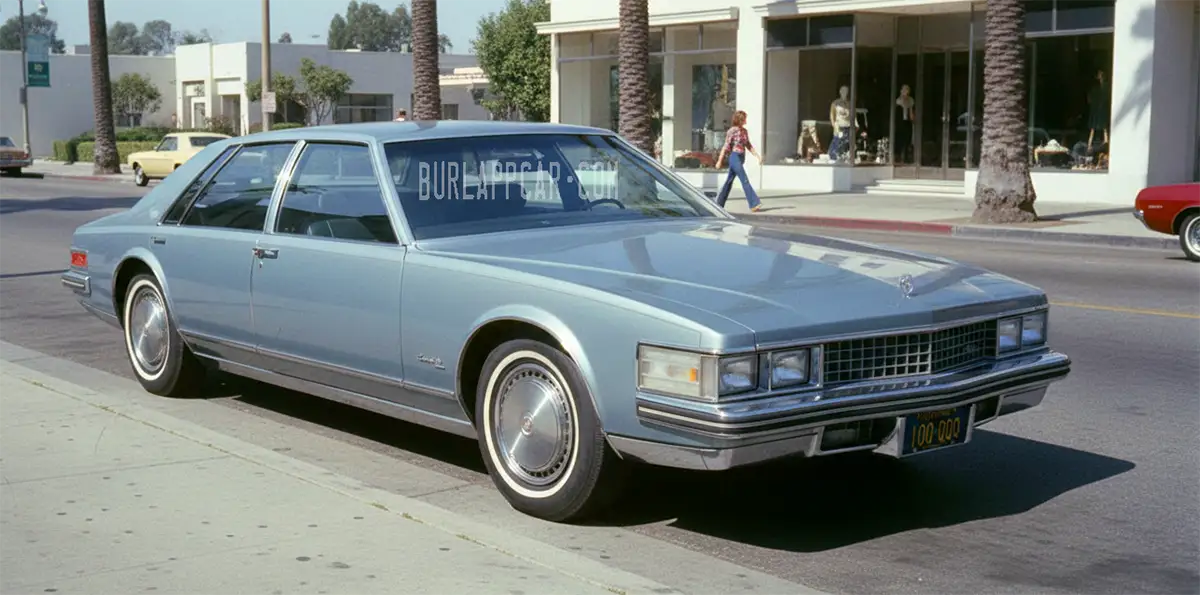
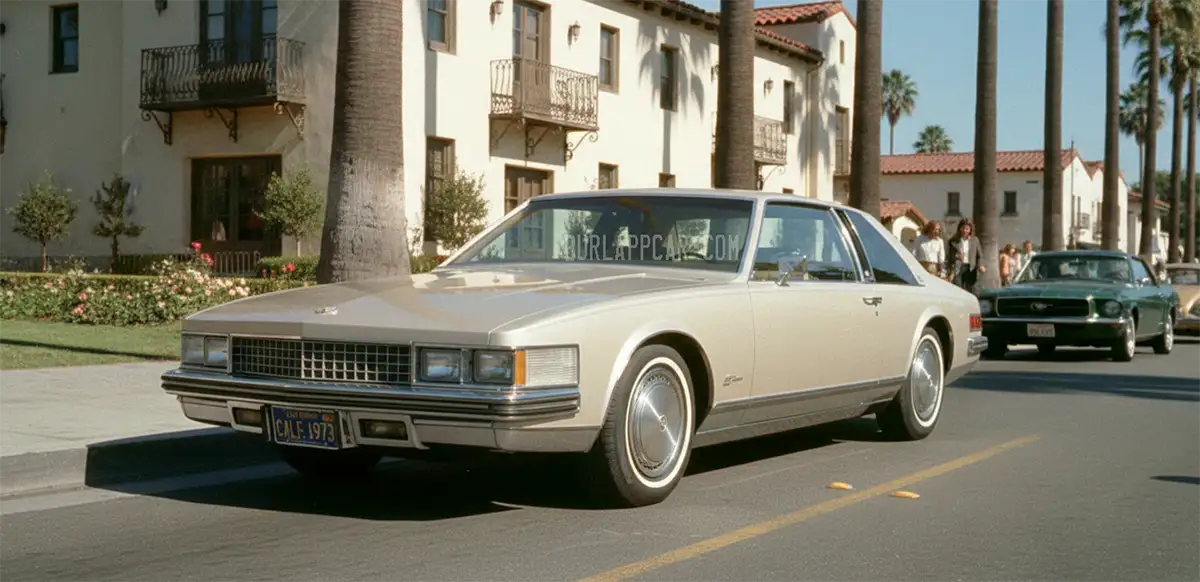
A year later came another proposal, the La Scala concept. This one looked much closer to the final first-generation Seville that eventually entered production. It appeared sleeker, more refined, and noticeably more modern. In some ways, it even anticipated the cleaner lines of the fourth-generation Seville introduced in 1992. By 1973 standards, GM designers were clearly experimenting with ideas that felt futuristic and European-inspired, at a time when most American luxury cars were still enormous and heavily ornamented. The thin pillars and restrained surfaces gave the concept a very upscale appearance.
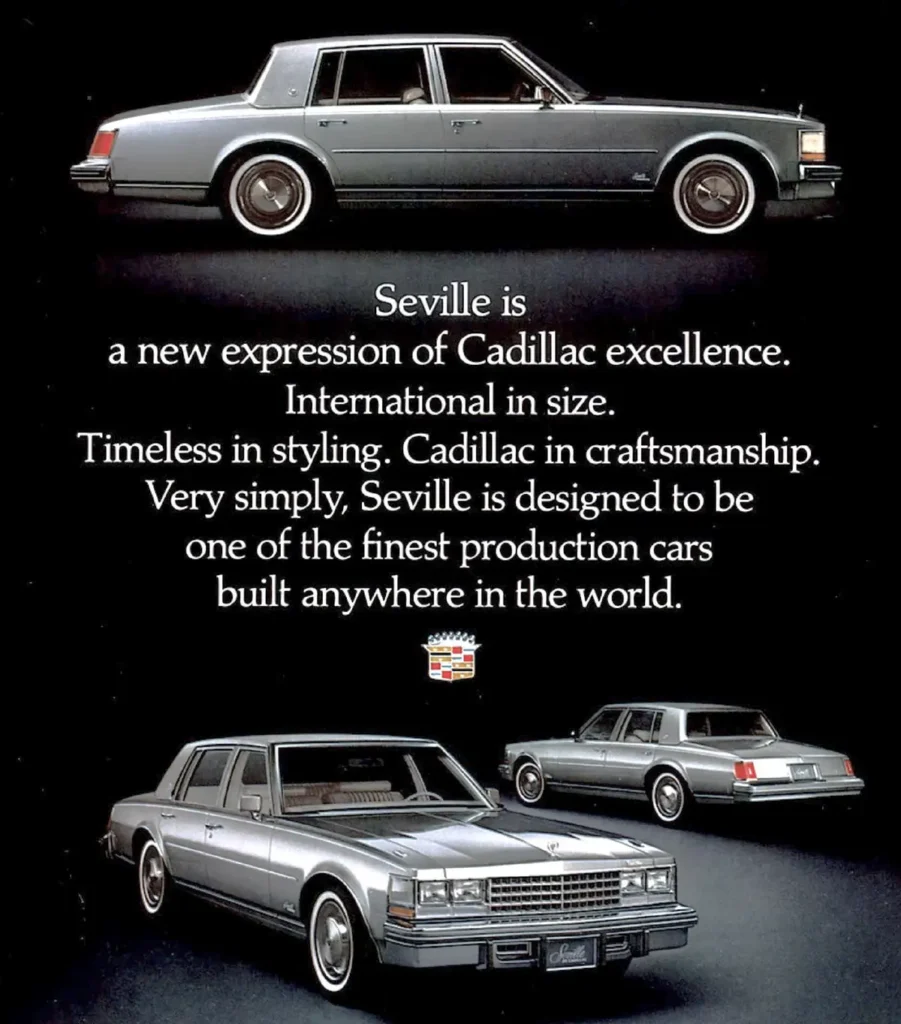
The first-generation Seville became a huge success and essentially created a new segment: the compact American luxury sedan. Designed under the direction of legendary GM stylist Bill Mitchell, the production Seville still looks remarkably elegant today. Its crisp notchback roofline and restrained proportions were unlike anything else Cadillac offered at the time. The design proved so influential that the later Lincoln Versailles appeared heavily inspired by it just a few years afterward.
Over 215,000 first-generation Sevilles were sold during its five-year production run. Despite its smaller size, it was actually Cadillac’s most expensive model, with prices exceeding $12,000 at the time. Buyers appreciated the combination of luxury, prestige, and more manageable dimensions during an era of rising fuel prices and changing tastes. The Seville also helped Cadillac attract import buyers who may otherwise have considered a Mercedes or BMW.
I think it still looks great today. I rememebr fondly the one my old friend Elena Verdugo used to own. Hers was not new and pretty old by that time. But it still looked and drove great…