
The Corvette That Could Have Been…


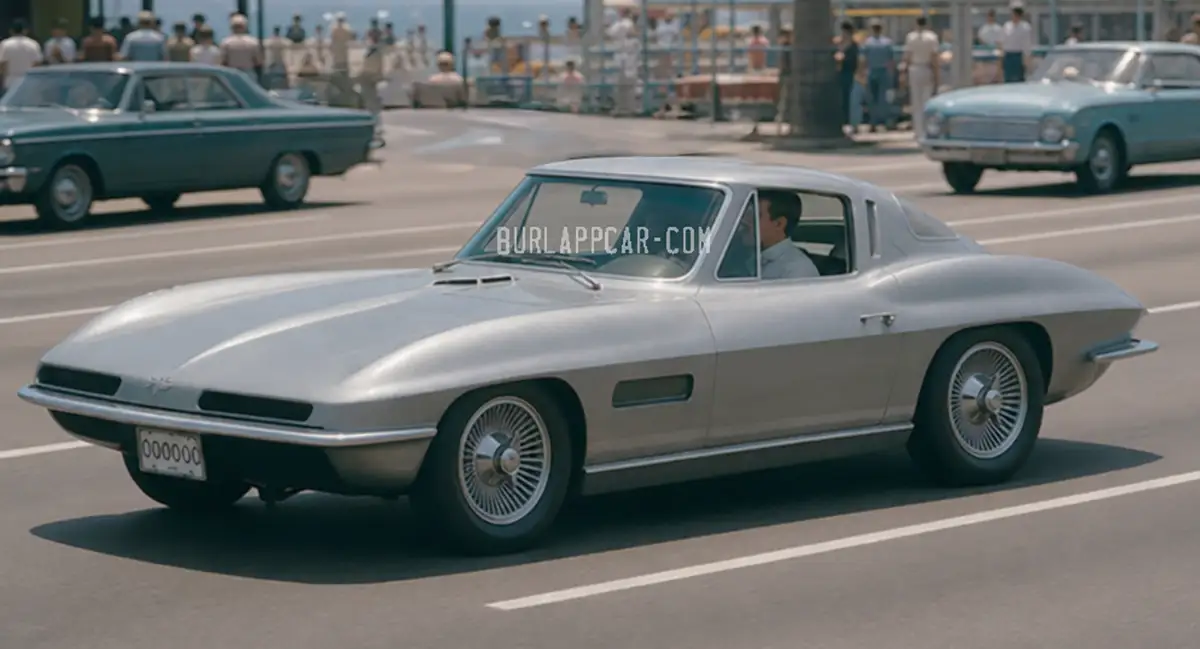
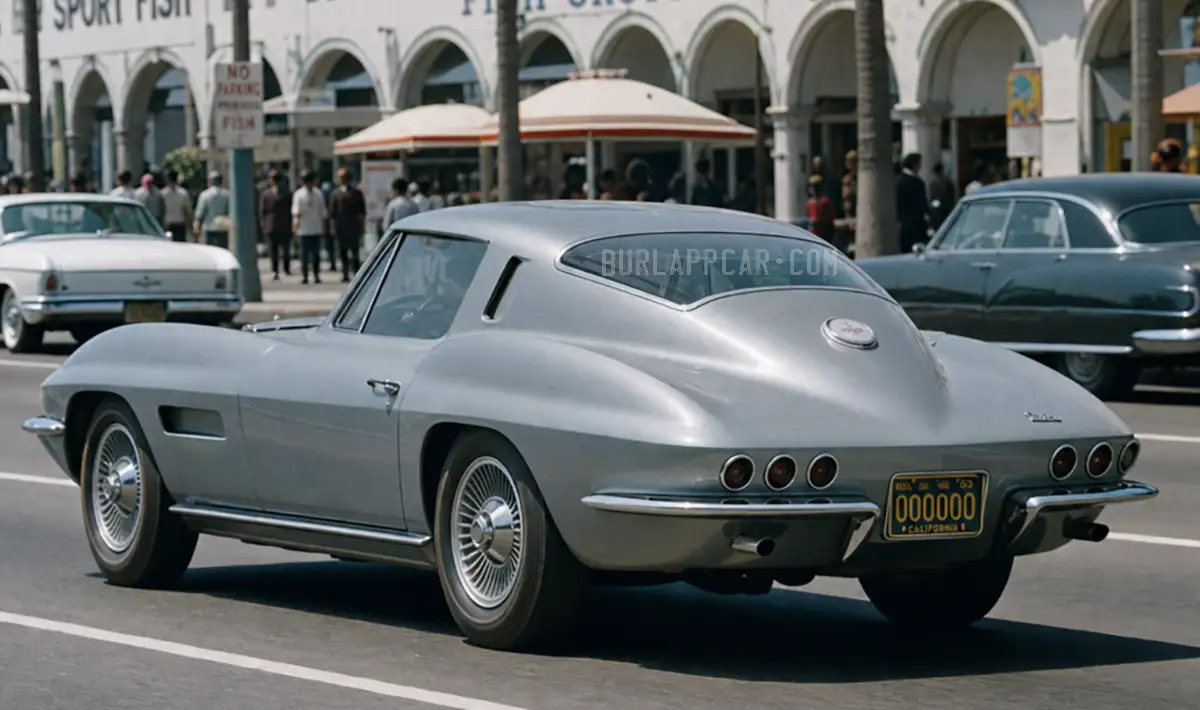
The good old Chevrolet Corvette started life in 1953 with a gorgeous design penned under the direction of Harley Earl. It immediately became America’s sports car and quickly established itself as a unique alternative to the European roadsters of the time. While the first generation was pretty modest in performance, it laid the foundation for what would become one of the most successful and recognizable sports car nameplates in automotive history.
Ten years later, the second-generation Corvette arrived. Its design had been previewed by the Corvette Q-Corvette concept in 1957. As you can see from the images above, the production car ended up being remarkably close to the concept. Aside from a few styling details and slightly different proportions, the futuristic spirit remained intact. In fact, the concept still looks even more dramatic and forward-thinking than the final 1963 Sting Ray that reached showrooms.
Even today, many enthusiasts consider the C2 one of the most beautiful American cars ever produced.
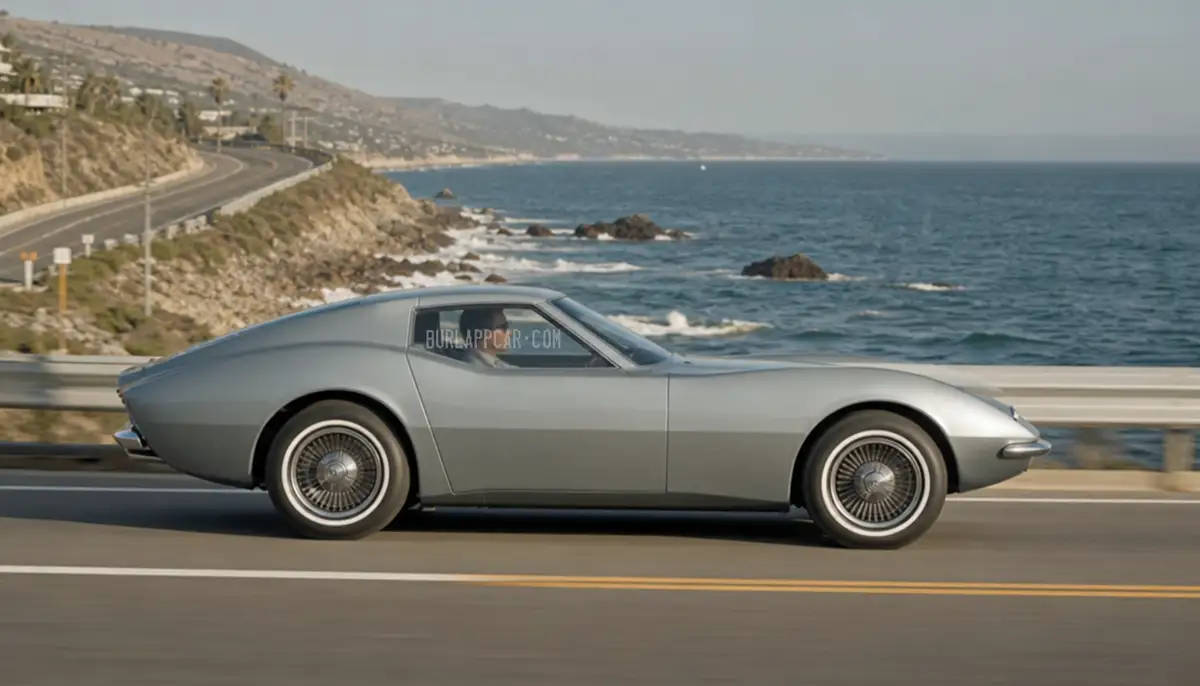
The third-generation Corvette debuted for the 1968 model year and remained in production until 1982, making it one of the longest-running Corvette generations ever. It essentially became the Corvette that most people grew up with. The image above shows an earlier version of the C3 that still looks surprisingly modern today. Or perhaps it simply appears fresh because the standard C3 design is so familiar. Either way, it is different enough to be especially striking. The flowing fenders and dramatic curves still attract attention decades after the car first appeared. I mean, just look at this…
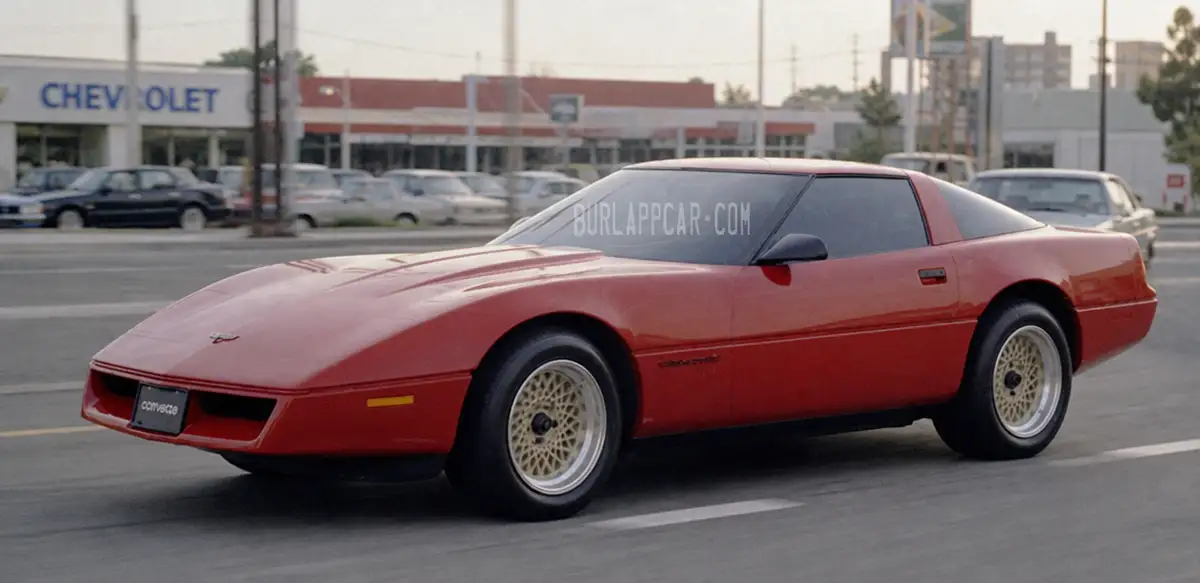
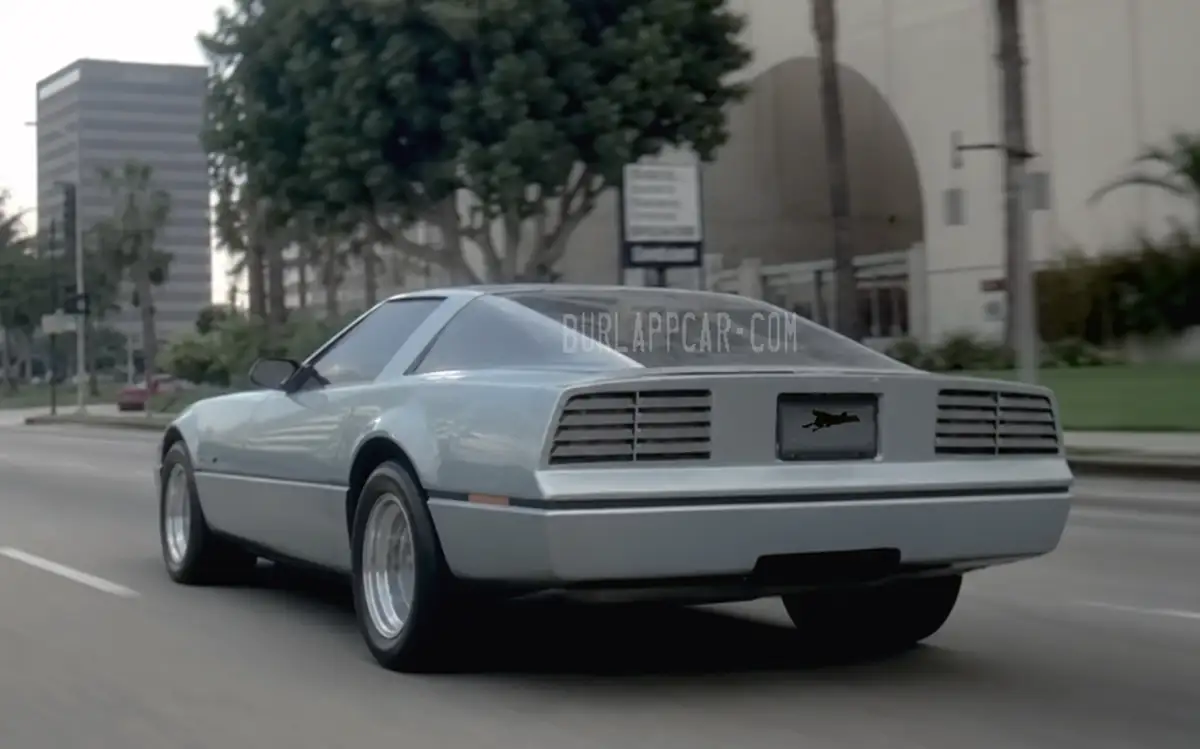
The two images above are from early 1982 prototypes of the 1984 C4 Corvette, another generation that enjoyed a long production run through 1996. I know this is somewhat of an “unloved” Corvette among enthusiasts, but I’ve always liked it. Its clean, simple, and I think its aerodynamic design has aged pretty well. In many ways, it is the complete opposite of the visual nightmare C8 we have today. The sharp edges and low profile gave it a distinctly modern appearance when it debuted and still help it stand out from many cars of its era.
These prototype photos show that most of the final C4 design was already set very early in development. The main differences were a slightly revised front end and different rear lighting treatments. It is always fascinating to see how close some prototypes are to the finished product years before production actually begins.
I’m also glad Chevrolet decided to keep the traditional circular taillights. That’s one Corvette design cue that should never disappear. The rectangular lights shown on the prototype would have made the Corvette look a bit too much like a 1980s Camaro. Thankfully, GM’s designers made the right call.
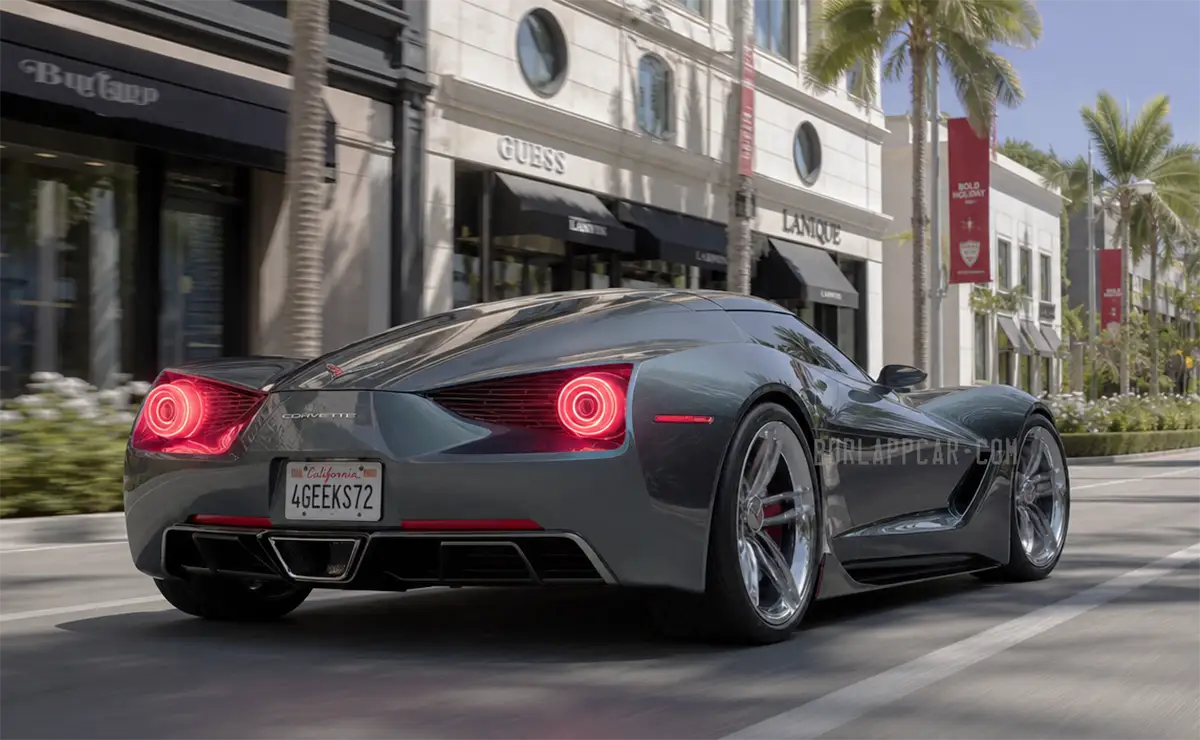
The illustration above shows a possible direction for a future C9 Corvette. No, it isn’t coming anytime soon. But I still wish GM would consider returning to the classic long-hood, front-engine layout that defined the Corvette for decades. And while they’re at it, bringing back those iconic circular taillights would be a great place to start.
Some traditions are worth keeping. A modern interpretation of the classic Corvette formula could create something truly special and distinct from today’s mid-engine sports cars.